Trichocereus Lookalikes
There are various columnar cacti that you can encounter. And though many look very much like Trichocereus on the first look, many of them actually aren´t. This page is about the many lookalikes that are available on the open market. Some of them are labeled “Trichocereus” and some of them aren´t. It includes many plants that were originally collected by seed collectors and field botanists who made a description without having seen the flowers. Because despite the fact that many columnar cacti can be very similar to Trichocereus in their looks, the flowers are what´s usually the biggest help to find out more about the origin of a plant.
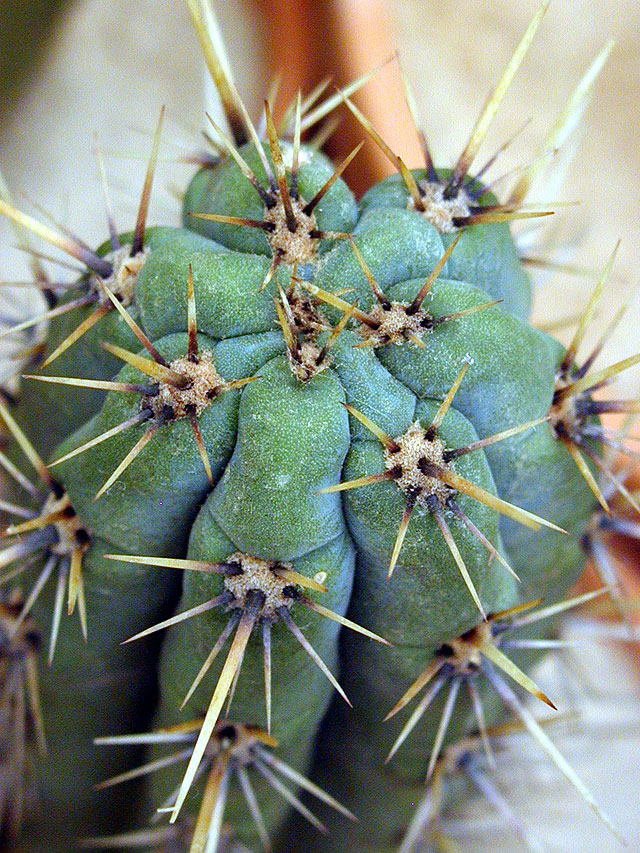
Soehrensia
Soehrensias are very similar to Trichocereus. However, most of them stay small, have way too many ribs or a different flower. In addition to that, some of them (like Soehrensia formosa) are very broad and thick. Soehrensias were integrated into the genus Echinopsis, until DNA testing revealed that they are very different in regards to their genetic profile. Because of that, they are regarded a real genus again.
I have no idea which soehrensia this is but it´s definitely not a Trichocereus and Soehrensia comes closest.
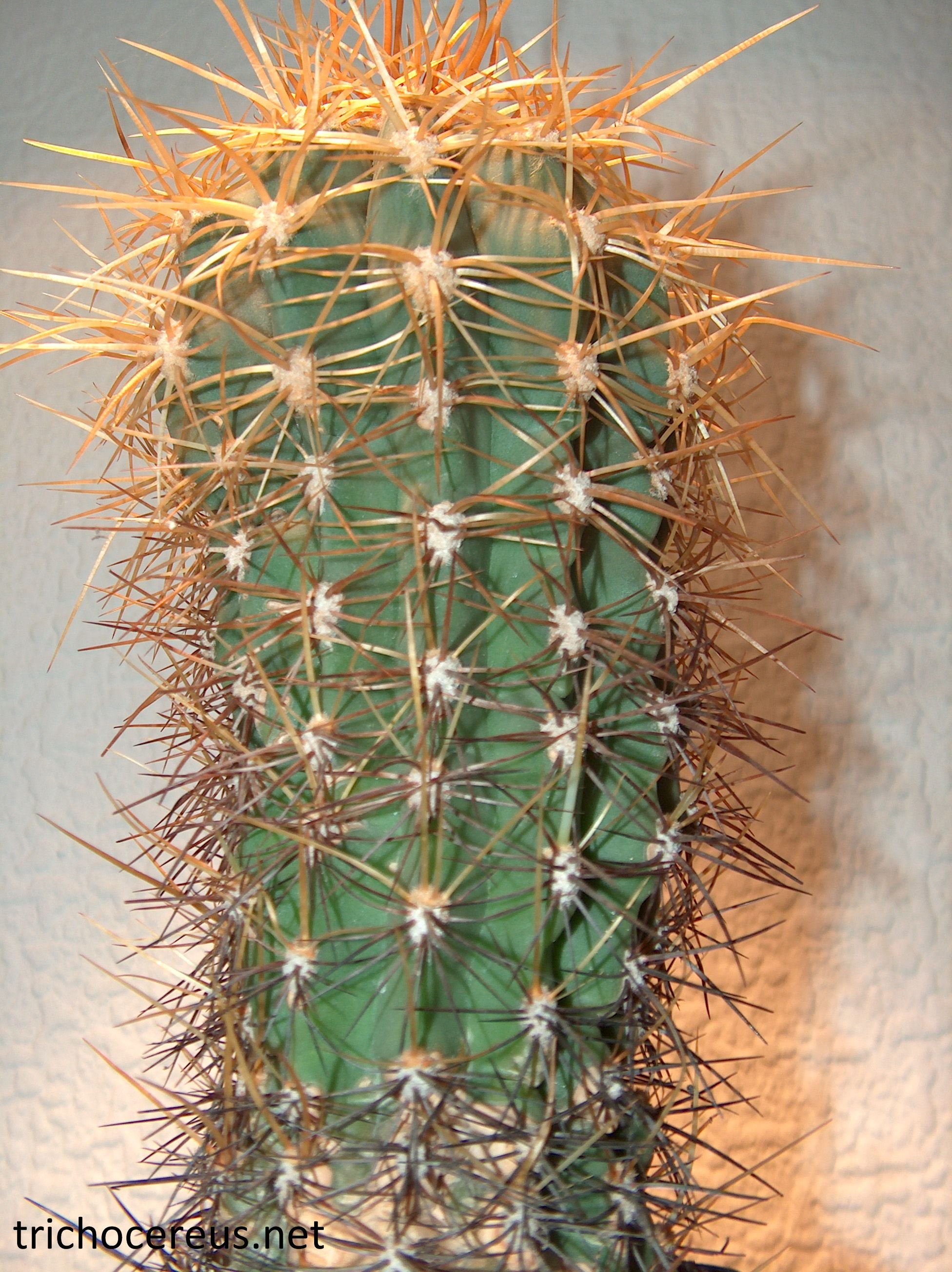


GYMNANTHOCEREUS CHLOROCARUS
This genus is not really a genus anymore and those plants were moved into the genus Browningia. The current name of the species shown is Browningia chlorocarpa. Other former Gymnanthocerei are now called Browningia altissima (Gymnanthocereus altissimus), Browningia Pilleifera (Gymnanthocereus pilleifer). There always was taxonomic chaos surrounding those plants and very few pictures exist. The flowers are usually a lot smaller than the ones on Trichocereus and vary in many more aspects.
Origin: Huancabamba and Abra Porculla. Ritters collection Number was FR 290. This species was also called Seticereus Chlorocarpus. If you have pics of any former Gymnanthocereus species, please let me know because I´d love to have more of them on the site.
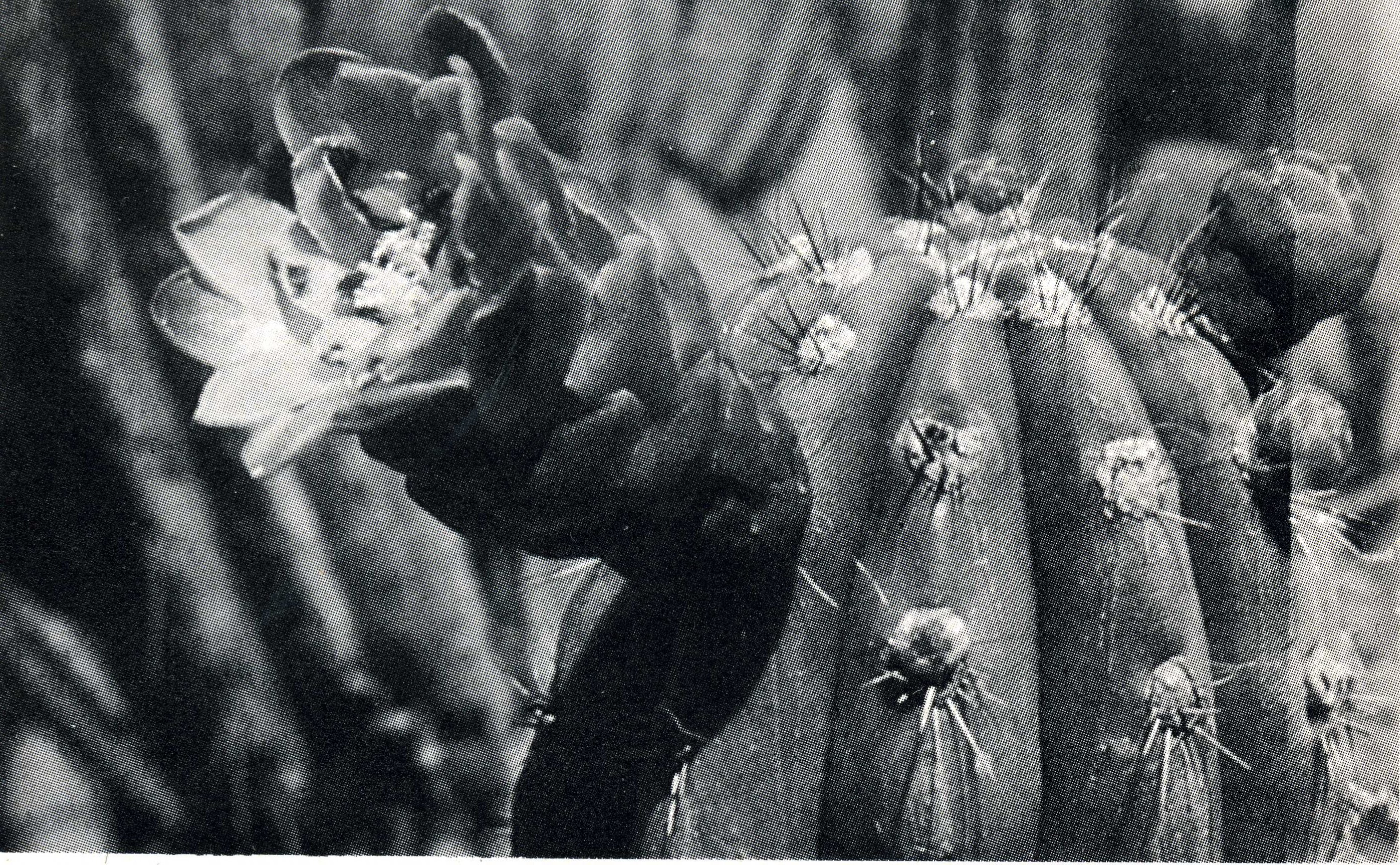
Rauhocereus
This genus is extremely interesting and I am constantly looking for new pics or seeds of Rauhocereus species. The most popular one is Rauhocereus Riosanijiensis. There are´t many sources where you can buy seeds or plants. The breeder misplant sold a couple seedgrown Rauhocereus last year but I am not sure if he will get some more.

Rauhocereus Riosaniensis – Picture: Michael Wolf
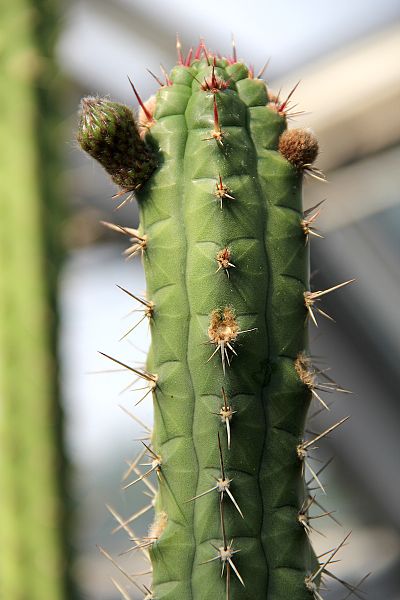
Rauhocereus Riosaniensis – Peter A. Mansfeld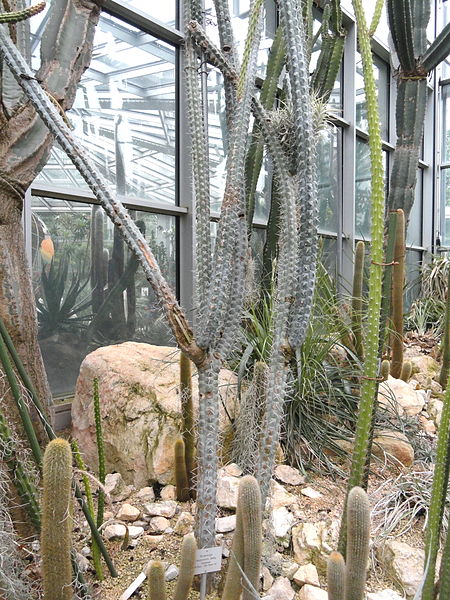
I will also add pics and descriptions of Azureocereus. Erdisia, Weberbauerocereus, Coryocactus, Lobivias Echinopsis and many more. If you have pics of a plant that would fit on this page, please write me on the Trichocereus Facebook group. I will constantly update this page.
Trichocereus Lookalikes