Trichocereus Facebook Group Echinopsis Growers Worldwide
Hi guys, today I wanted to give you a preview from our Trichocereus Facebook group called Trichocereus & Echinopsis growers worldwide. It is one of the oldest Trichocereus groups on Facebook and was funded sometime around 2014.
Photo:...
Trichocereus Facebook Group Echinopsis Growers Worldwide

Posts mit dem Label Echinopsis werden angezeigt. Alle Posts anzeigen
Posts mit dem Label Echinopsis werden angezeigt. Alle Posts anzeigen
Sonntag, 2. Dezember 2018
Trichocereus Facebook Group Echinopsis Growers Worldwide Trichocereus Facebook Group Echinopsis Growers Worldwide Hi guys, today I wanted to give you a preview from our Trichocereus Facebook group called Trichocereus & Echinopsis growers worldwide. It is one of the oldest Trichocereus groups on Facebook and was funded sometime around 2014. Photo:... https://trichocereus.net/?p=7525

Mittwoch, 28. November 2018
Trichocereus werdermannianus / Echinopsis werdermanniana Trichocereus werdermannianus / Echinopsis werdermanniana Trichocereus werdermannianus, also known as Echinopsis werdermanniana, is a columnar Trichocereus species from Bolivia. It is a close relative of Trichocereus terscheckii and I consider it an intermediate species between the large Andean... https://trichocereus.net/?p=1911
Trichocereus werdermannianus / Echinopsis werdermanniana
Trichocereus werdermannianus, also known as Echinopsis werdermanniana, is a columnar Trichocereus species from Bolivia. It is a close relative of Trichocereus terscheckii and I consider it an intermediate species between the large Andean...
Trichocereus werdermannianus / Echinopsis werdermanniana
Donnerstag, 4. Oktober 2018
Trichocereus schoenii / Echinopsis schoenii Trichocereus schoenii / Echinopsis schoenii Trichocereus schoenii , also known as Echinopsis schoenii under current nomenclature, is a south Peruvian Trichocereus species that Backeberg described and named after E. Schön, who assisted him financially on his trips. Mr. Schön was... https://trichocereus.net/?p=5131
Trichocereus schoenii / Echinopsis schoenii
Trichocereus schoenii , also known as Echinopsis schoenii under current nomenclature, is a south Peruvian Trichocereus species that Backeberg described and named after E. Schön, who assisted him financially on his trips. Mr. Schön was...
Trichocereus schoenii / Echinopsis schoenii
Mittwoch, 28. Februar 2018
Less than 4 days left! All the previews from the new Trichocereus book! Less than 4 days left! All the previews from the new Trichocereus book! Hey guys, our new Indiegogo campaign is slowly coming to an end. Depending on the time zone you´re in the campaign will officially end in 3-4 days. We already reached our goal thanks to all the supporters that we got! If you´re still on the fence you should definitely check out this post with all the preview photos from the new book which I´ve posted in the last two months. It´s really just a small preview and there are many more in the new book! In this case we had so much amazing stuff to show that we couldnt show it all in the previews. You can find the link at https://igg.me/at/trichocereus https://trichocereus.net/?p=6348
Less than 4 days left! All the previews from the new Trichocereus book!
Hey guys, our new Indiegogo campaign is slowly coming to an end. Depending on the time zone you´re in the campaign will officially end in 3-4 days. We already reached our goal thanks to all the supporters that we...
Less than 4 days left! All the previews from the new Trichocereus book!
Dienstag, 8. August 2017
Trichocereus arboricola (Echinopsis arboricola)
Trichocereus arboricola (Echinopsis arboricola)
Current name: Echinopsis arboricola (Kimnach) Mottram
Origin: Bolivia, Argentina, Type locality: Tarija in Bolivia, 600-1000 meters altitude
Trichocereus arboricola is more of an Epiphyt instead of a normal Trichocereus and is often grown like a...
Trichocereus arboricola (Echinopsis arboricola)
Trichocereus macrogonus - Echinopsis macrogona
Trichocereus macrogonus – Echinopsis macrogona
cereus macrogonus SD. Cact. Hort. Dyck.Cult.
Current name: Echinopsis macrogona, disputed by some authors and redescribed as Trichocereus macrogonus. The whole genus Trichocereus is currently being revised and it´ll take a good 10 years till...
Trichocereus macrogonus - Echinopsis macrogona
Mittwoch, 6. Januar 2016
Omar (Trichocereus)
Omar (Trichocereus / Echinopsis)
Omar is a Trichocereus clone from Australia.
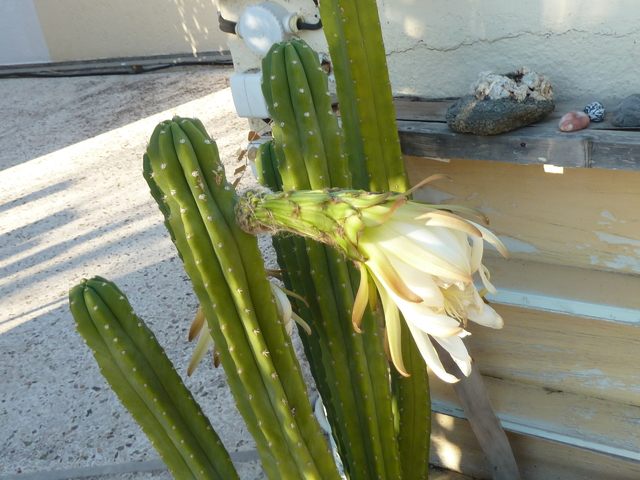
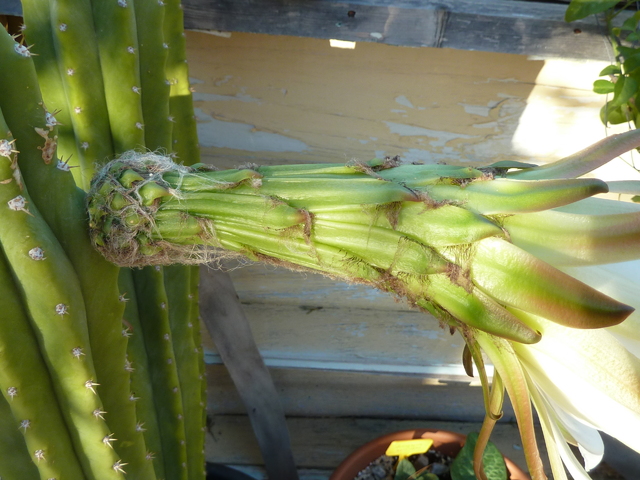
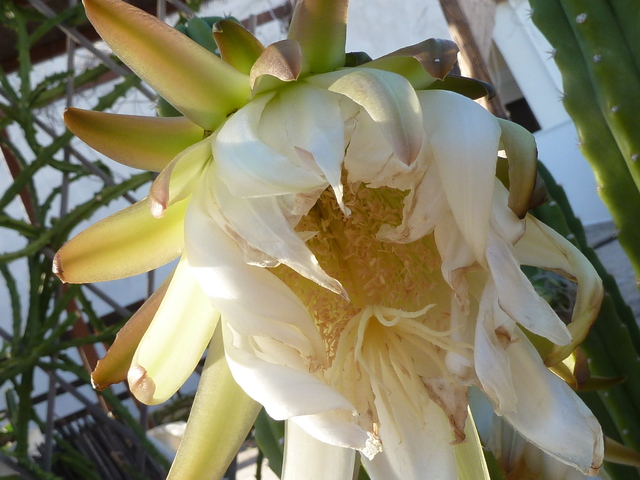

OMAR is a Trichocereus pachanoi clone that was most likely brought into circlulation by the former SAB members REV or Gomaos. The plant was also offered by the SAB shop, where it was sold alongside a similar hybrid called ALF. That leaves room for speculation and it´s possible that both plants (OMAR & ALF) were grown from the same seed pod or at least, were representatives of the same regional type. I personally have trouble looking at OMAR without seen anything but the well known PC Pachanoi „clone“, which is probably Friedrich Ritter´s TRICHOCEREUS RIOMIZQUENSIS from Bolivia. This PC (short for predominate cultivar, as it is the most common type of Pachanoi throughout North America) is widely distributed all over Australia as well.
OMAR has the same yellowish look that almost all Tr. riomizquensis had in common. Besides, the areoles and the small stump spines are really typical. And on top of that, it has the same type of flower.
Again, I did not have the chance to observe this plant over the course of a few years, but what I´ve seen on some of the pics looks a lot like the predominate cultivar.
https://trichocereus.net/omar-trichocereus-echinopsis-pc-predominant-cultivar
Dienstag, 5. Januar 2016
Trichocereus thelegonus / Echinopsis thelegona Friedrich & Rowley
Trichocereus thelegonus / Echinopsis thelegona Friedrich & Rowley
Pic: Noah Reams

Origin: Argentina, Tucumán, Salta, 5500-1100 meters altitude
Synonyms: Trichocereus thelegona, Trichocereus thelegonus, Echinopsis thelegonus, Echinopsis thelegona, Cereus thelegona, Cereus thelegonus
Trichocereus thelegonus is a branchy & creeping cactus that only produces a handful of shoots. It can reach a maximal height of approximately 2.2 meters and can get up to 10 centimeters in diameter. But that´s only the case on very old plants and most of them get 6 – 8 cm in diameter. The plant has 12-13 ribs and is characterized by its very dominant areoles that sit in top of some extremely hexagonal warts. It´s look is very typical and once you got used to the plant, it´s very hard to overlook or misidentify it.
Trichocerus thelegonus has rounded areoles and yellow to dark/brown spines. There also are regional types that rather have a reddish spine color instead of the brown one. Old growth tends to change its color to a more blackish tone, similar to how it can be observed on Trichocereus cuzcoensis. That said, both are really not very similar and this interesting plant from Argentina rather resembles a hanging basket cactus, than a classic columnar. Tr. thelegonus / Echinopsis thelegona usually has one and, in some very rare cases, two middle spines and between 5-8 radial spines that can reach up to 2,5 centimeters in length.
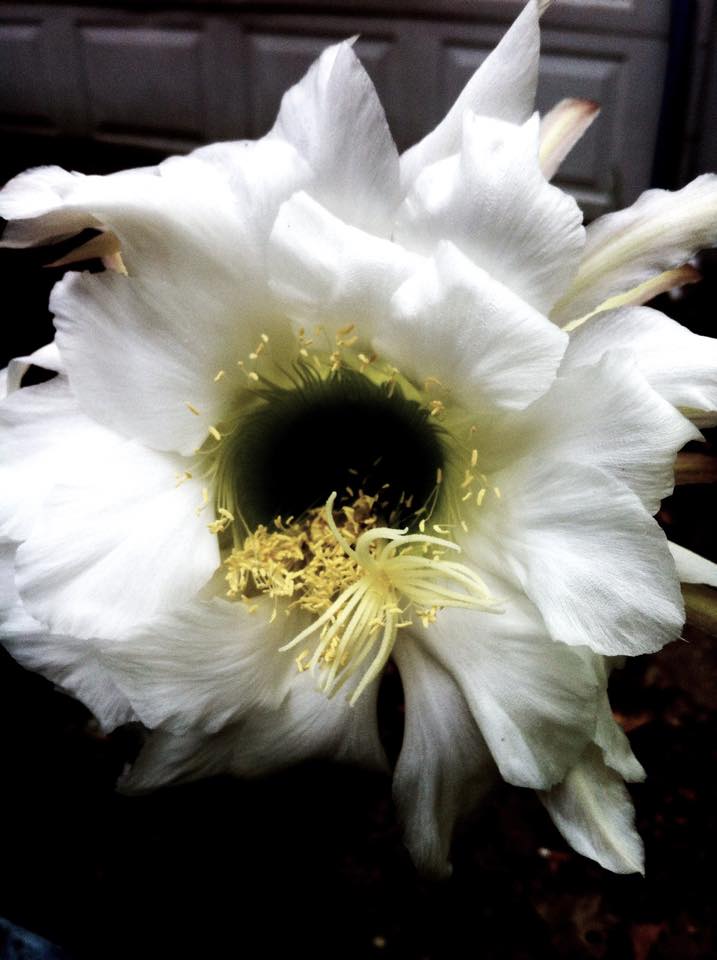
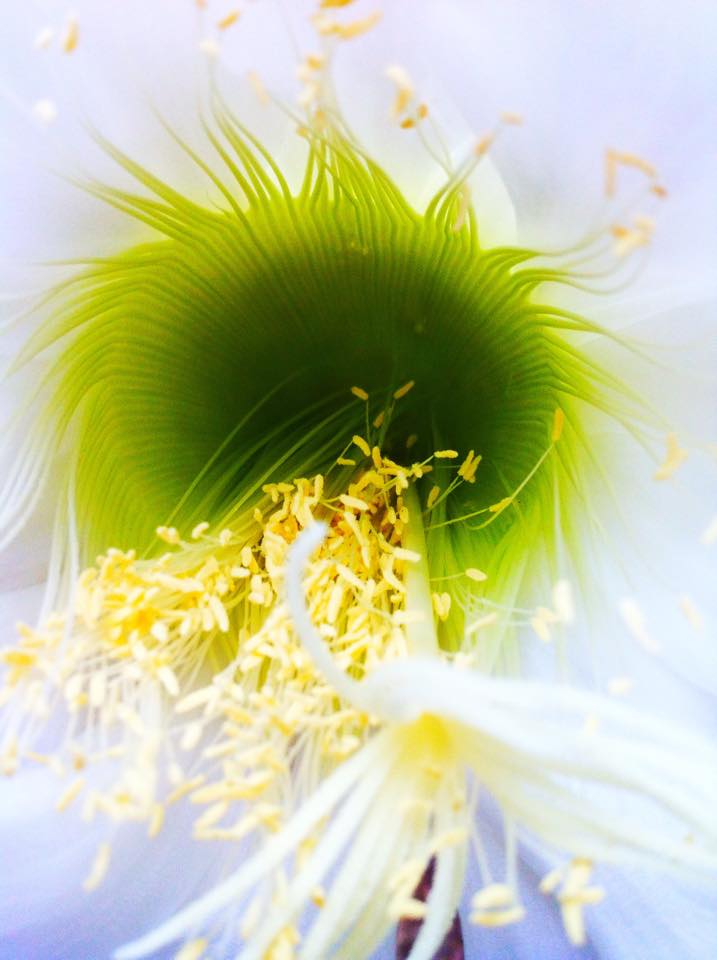
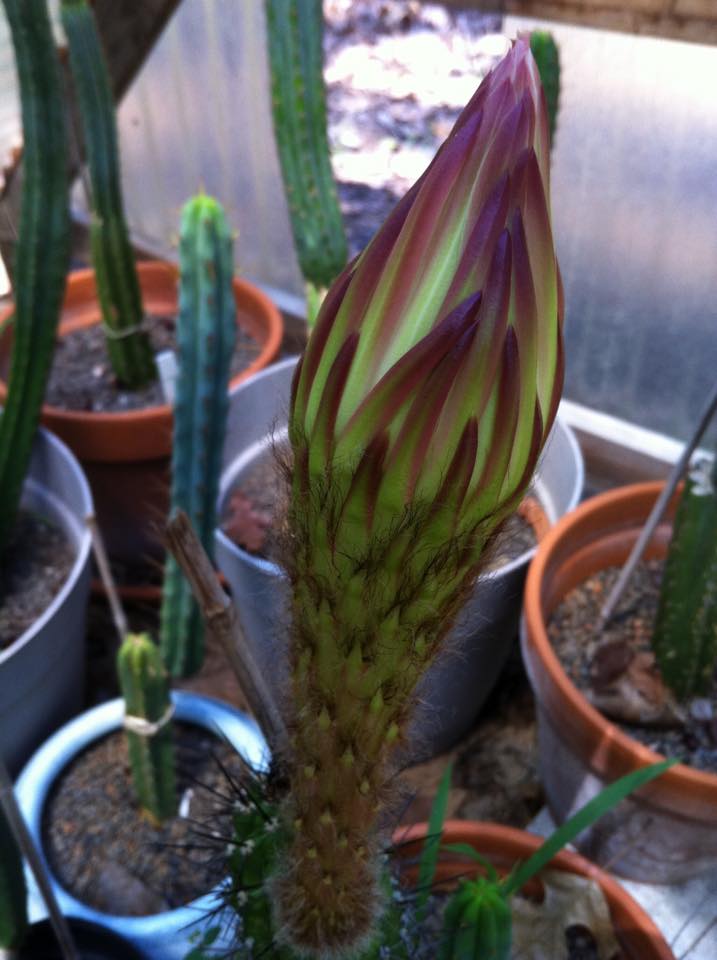
FLOWER: Trichocereus thelegonus is a night flowering species, with flowers than can stay open until the early morning. The flower is white and gets up to 22 centimeters long and I measured a staggering 17 centimeters in diameter.
Apart from the size, the flower is very beautiful and has a wonderful scent!
Fruits: The fruits of Trichocereus thelegonus are round and have reddish brown hairs. The fruits are reddish and can reach 6 centimeters in diameter. It does not produce as many seeds as other plants from the same genus. Trichocereus thelegonus / Echinopsis thelegona is self-sterile and it needs pollen from other plants to produce seed.
Crested or Monstrose type: There also is a crested clone of this plant that is extremely cool and resembles a monstrose Cereus. I´ve been lookingf or this crest for years, but wasn´t able to find one yet. Luckily, there are some pics from a Botanical garden:
Buy seeds or cuttings of Trichocereus thelegonus: This type is kinda rare, but I sometimes get viable seeds of Trichocereus thelegonus. The problem isn´t that there aren´t any seeds available; but most of the ones that were, did not germinate. I am working on putting the type in my shop and if you want to be up to date about my fresh seeds, please subscribe to my newsletter at: trichocereus.net/newsletter.


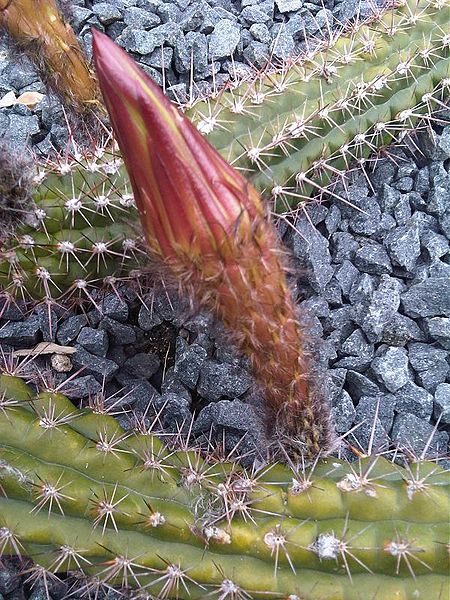
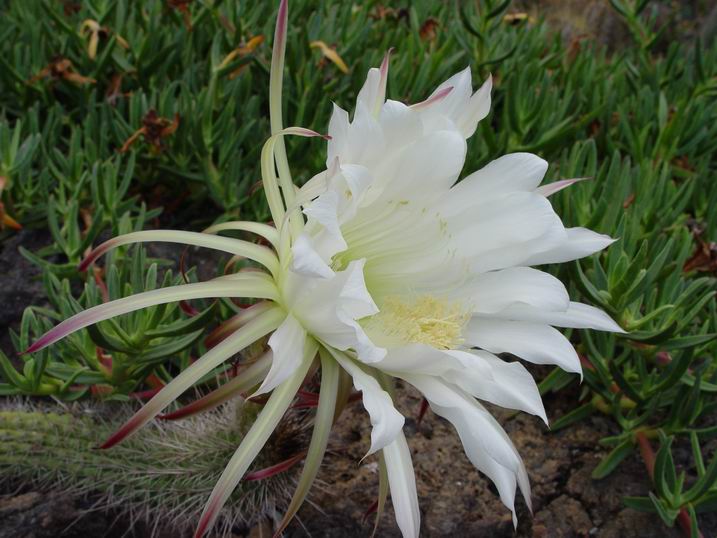
bernard loison Echinopsis_thelegona

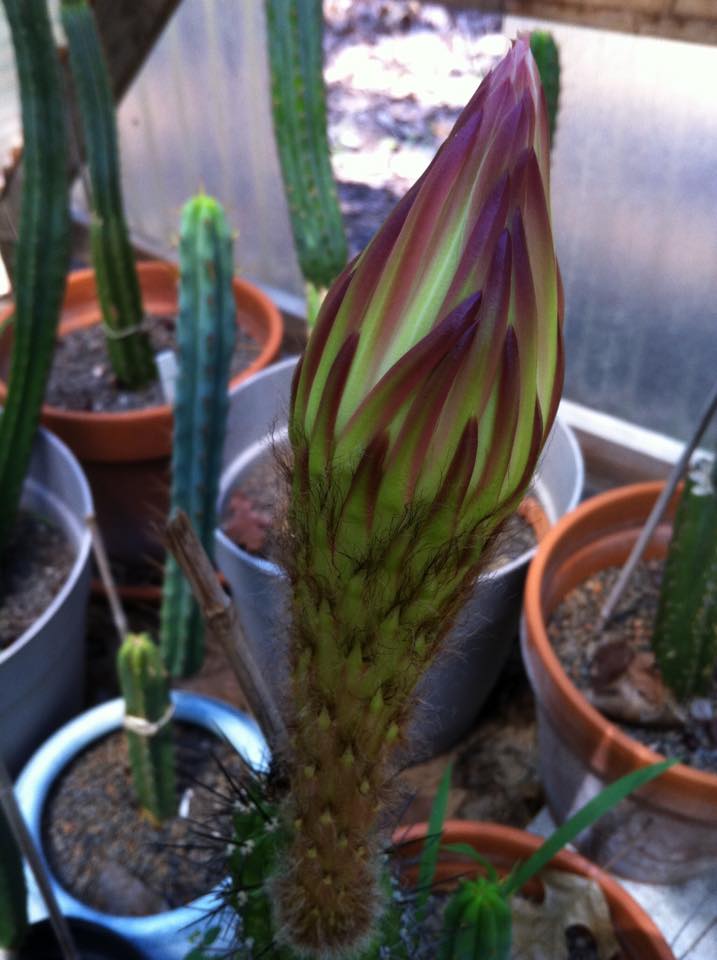

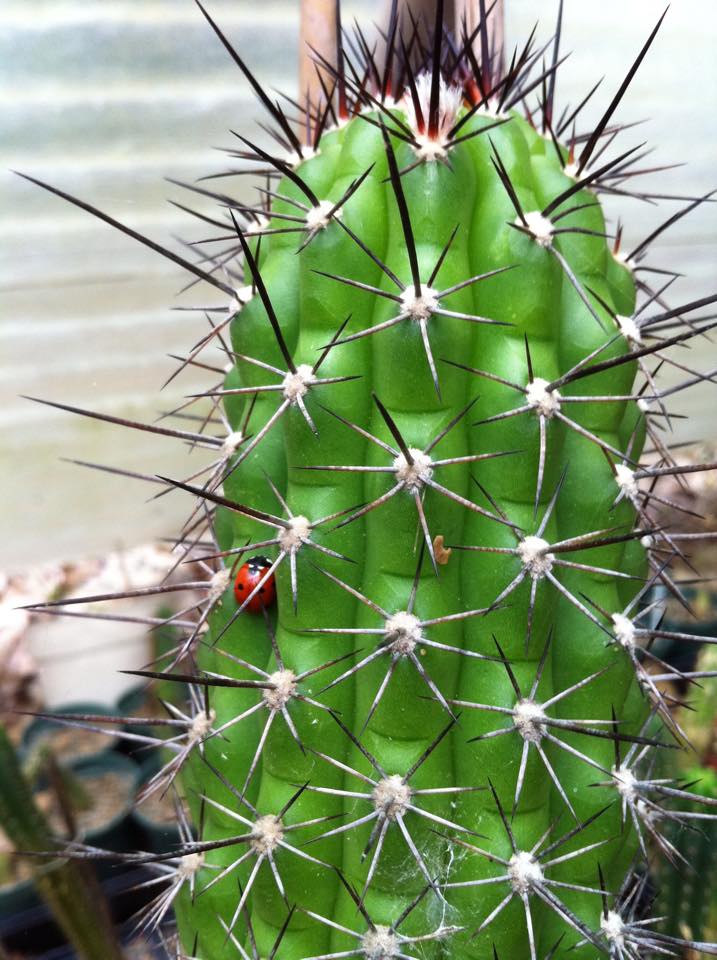
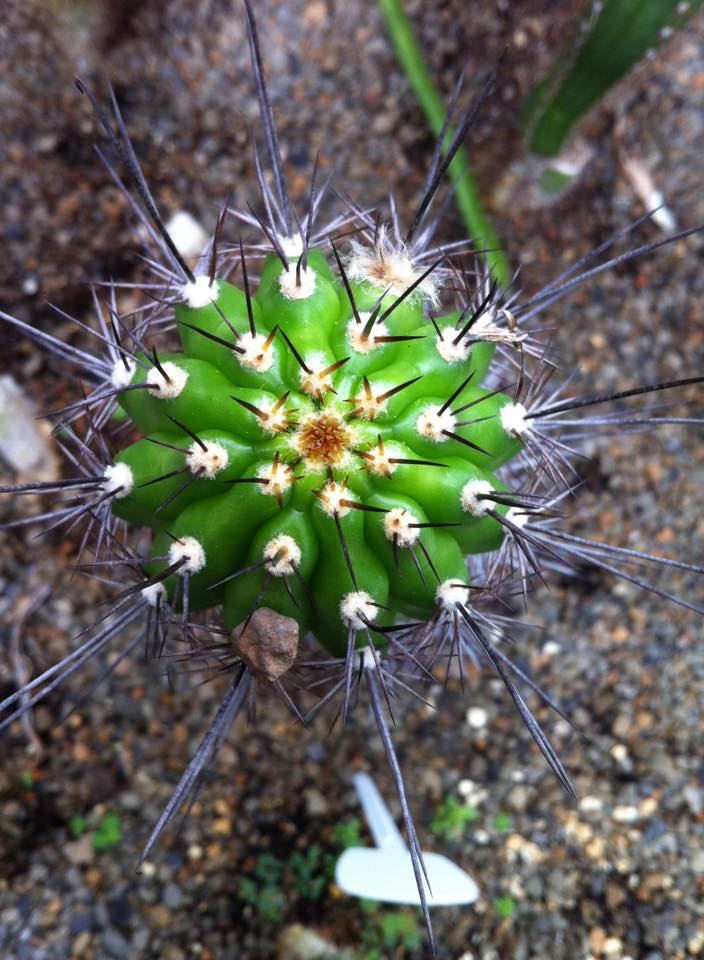
Pics: Noah Reams
Trichocereus thelegonus / Echinopsis thelegona Friedrich & Rowley
Samstag, 27. Juni 2015
Trichocereus Shaferi (Echinopsis Shaferi)
Trichocereus Shaferi (Echinopsis Shaferi)
There are more than one plant that are available under that name on the open market. I bought a plant labeled as Trichocereus Shaferi that looks remarkable like a Trichocereus Spachianus.
The name “Shaferi” goes back to the 1920s, when Britton and Rose came up with their description that lacked a lot of details. However, there were some more descriptions by Ritter, Backeberg and Rauh/Werdermannianus that went more into detail.
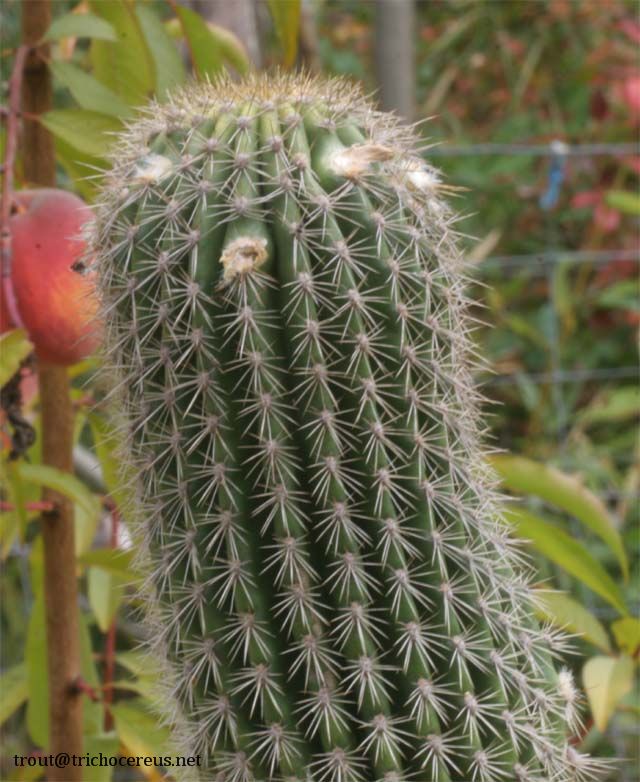
Trichocereus Shaferi pups from the base and reaches a size between 1-1,5 meters. The plant grows partially lying or leaning over and has between 15 and 20 ribs. Britton and Rose gave an average number of 12 ribs, which is dramatically different from the data that were given in later descriptions. The maximum diameter is 5-12 centimeters and the color is a gray/dark green, which you can very well see on the pictures that were provided by Trout. The ribs are 0,5-1 centimeters high and there are substantial furrows .
The Areoles on Trichocereus Shaferi are white felted and 1-6 mm in diameter and up to 1,2 centimeters apart of each other.
Spines: The spines of Trichocereus Shaferi are yellow, very fine and needle-like with a slightly dark-brown spine tip. It has 7-10 radial spines (up to 1 cm long) and 1-3 middle spines (1-2 cm).
Flower: Very round flower. White. Trichocereus Shaferi flowers from the upper part/apex and Britton and Rose gave a size of 15-18 cm.
Fruit: The fruit has a whole lot of very dominant white hairs, as you can beautifully see on the second picture. The edible fruit is round and 3-5 cm in diameter. Green in color with reddish/green scales.
Origin: Ritter encountered this plant near Leon near Jujuy at around 1500-1800 meters growing on rocky slopes. Britton and Rose gave San Lorenzo in the provence Salta at 1800 meters as the location of the typus. Ritter considered his collection in jujuy to be a regional variety but didnt really follow up on it. His collection name was FR41 and there is a large number of seeds that gotten into the collections of cactus fans all around the world.
Where to buy seeds and plants of Trichocereus Shaferi? Well, it´s rare and you might come across them on eBay. Like I already mentioned before, I bought a large plant that might be correctly labeled but has a lot of similarities to Trichocereus Spachianus. The plants on the pics have a lot of ribs and look very unique. Some seed stores and cactus nurseries have them in stock every once in a while but I never really looked for it and cant say how good the available seed is. I also dont know if theres even viable seed on the market. I am sure there are some collectors that offer seeds from their collections sometimes but it´s probably a little bit hard to. If I´d be looking for this type, I´d write emails to Kakteen Haage, Kakteen Uhlig, Succeed, Sacred Succulents and hope for the best. You can also try making a post in our Trichocereus Facebook group but I´ve never really encountered one there. But it cant hurt to ask.

Trichocereus Shaferi (Echinopsis Shaferi)
Dienstag, 9. Juni 2015
Trichocereus Litoralis - Echinopsis Chilensis var. Litoralis
Trichocereus Litoralis – Echinopsis Chilensis var. Litoralis
This beautiful Trichocereus is definitely closely related to Trichocereus Chilensis and the current taxonomy placed it as a variety to it. Trichocereus Litoralis always was a problematic species because there are so many intermediate forms between Trichocereus Chilensis and Trichocereus Litoralis that it is extremely difficult to draw the line somewhere. While some taxonomists included it in Trichocereus Chilensis (Chiloensis my butt), some others were strongly against it. Personally, I think that the whole group of plants surrounding Trichocereus Chilensis is very variable and we should simply respect that plants can be related to each other and at the same time, look a little bit different. The species is also very closely related to Trichocereus Skottsbergii, which I also regard as a variety of Trichocereus Chilensis.
Origin: Chile. Growing mostly around the coast. Coquimbo
Synonyms: Echinopsis Litoralis, Cereus Litoralis, Trichocereus Chilensis var. litoralis
The location of the typus is in Zapallar, north of Valparaiso near the coast of chile. The species is widely distributed all across the coast up to Los Vilos. The many radial spines are needle-like, while the middle spines are pretty strong and thick and up to 3 cm long. It has 9-28 radial spines and 3-6 middle spines.
Trichocereus Chilensis usually doesnt get bigger than 1-2 meters. It has a very dark green color and and a maximum diameter of 10-15 centimeters.
Ribs: 15-22, areoles approximately 1-2 centimeters apart of each other.
Flowers: Trichocereus Litoralis has a white flower, which is extremely similar to the one on Trichocereus Chilensis. The flowers are up to 15 centimeters long, which is on the lower end of the scale for Trichocerei.
Fruit: Round, dark green. Up to 5 Centimeters in diameter
Where to buy seeds and cuttings of Trichocereus Litoralis: That´s actually a good question. There are a couple of specialized seed stores who have them in stock. I bought some seeds from Uhlig Kakteen once (and never sown them out) and it´s also available from Succeed sometimes. Every now and then, a plant shows up on eBay but it actually rater rare. If you are looking for a cutting, it might be worth the try to make a request in our Trichocereus Facebook Group, though it´s actually one of the species that I´ve seen very rarely. Still, it might be worth the try because we´re marching towards the 1000 members mark and one of them might be able to help you!
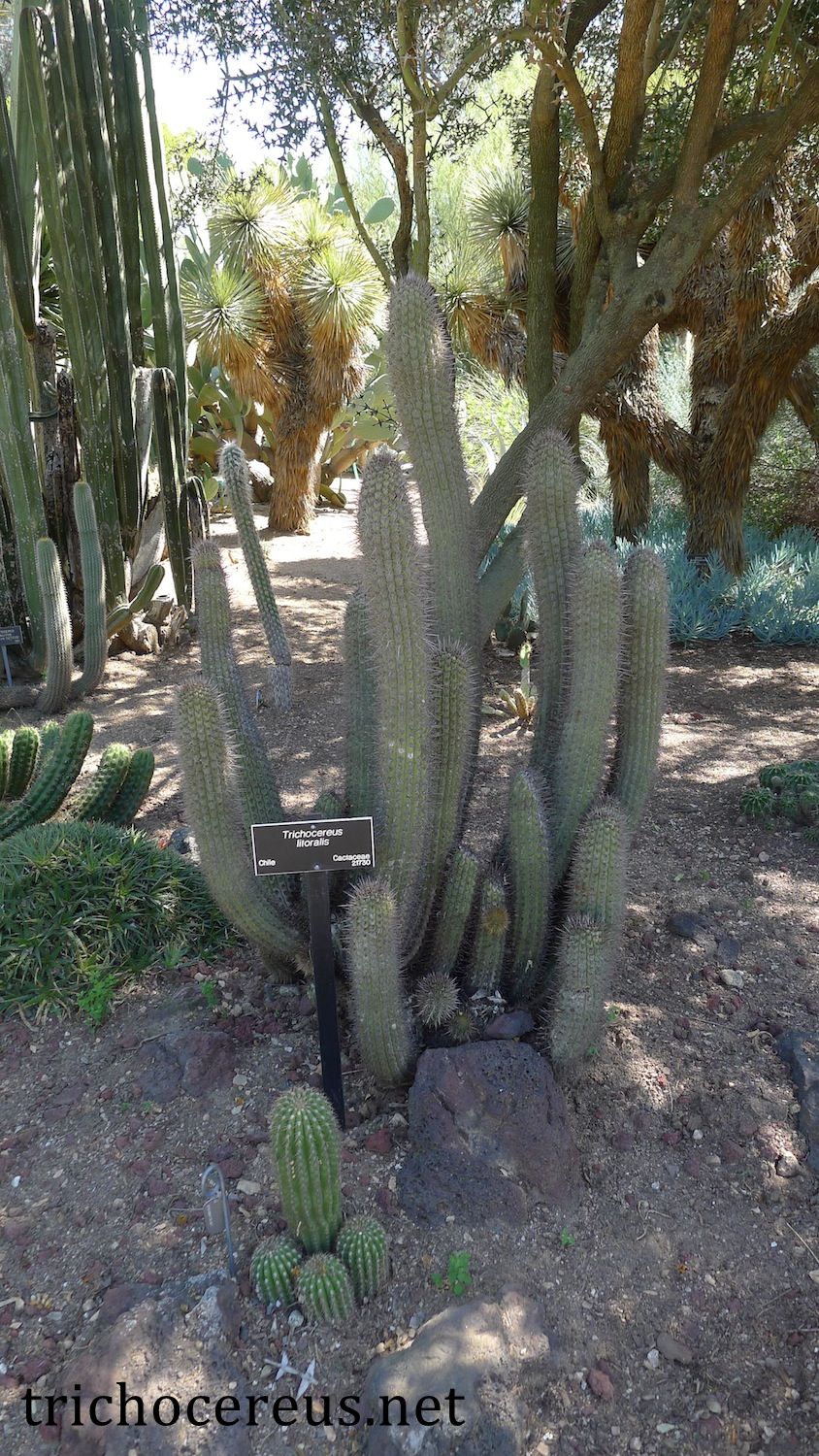
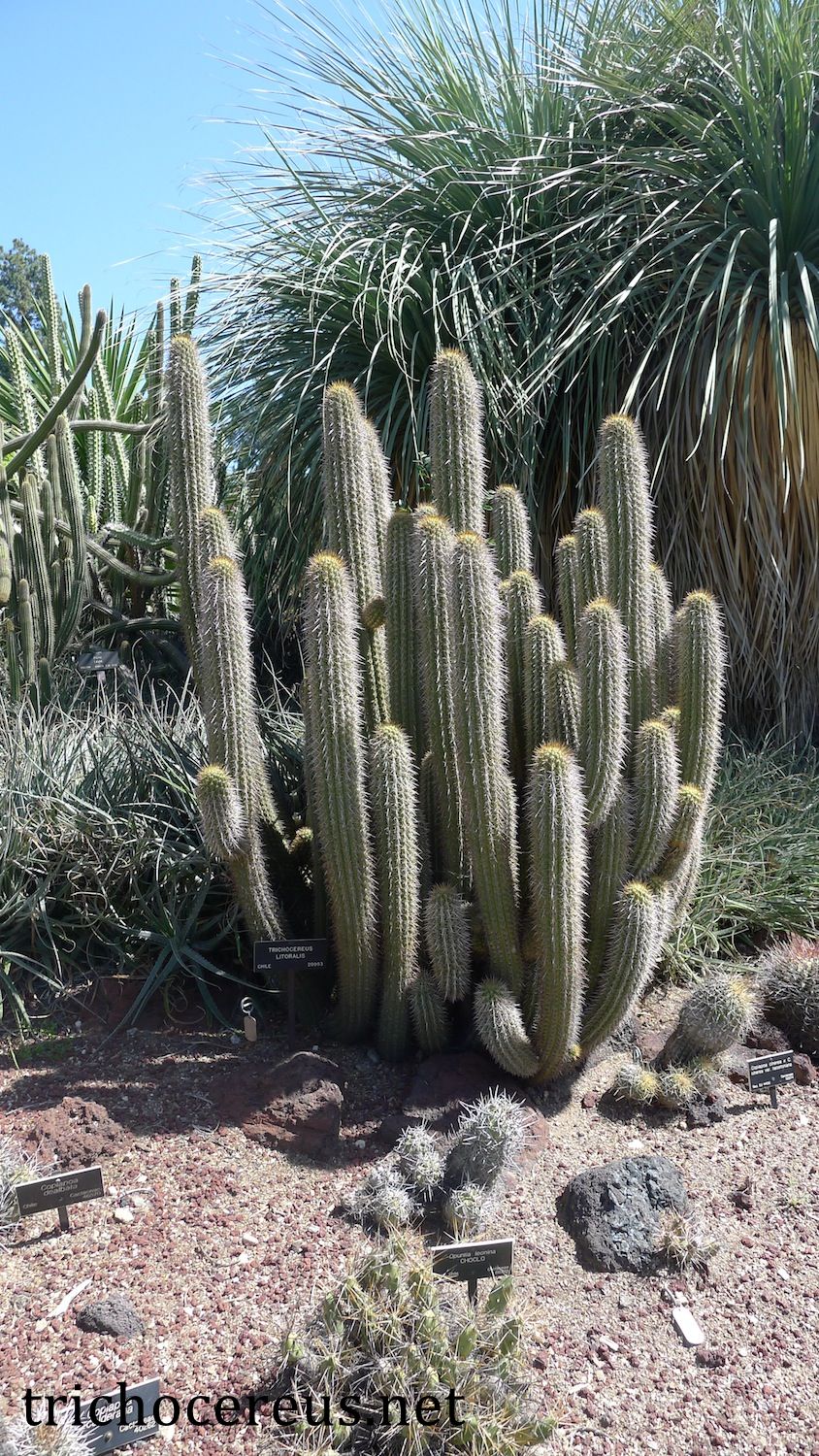
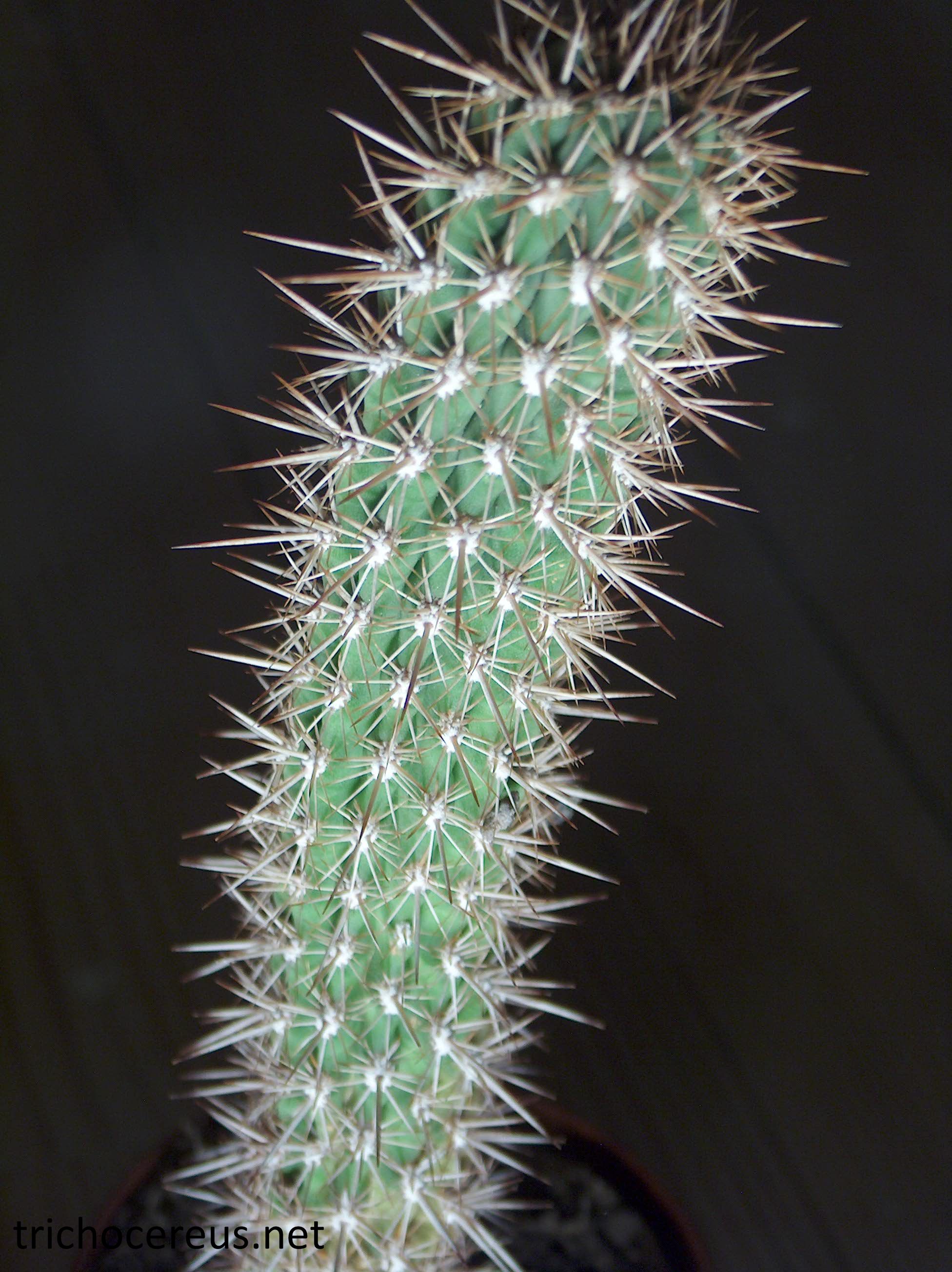


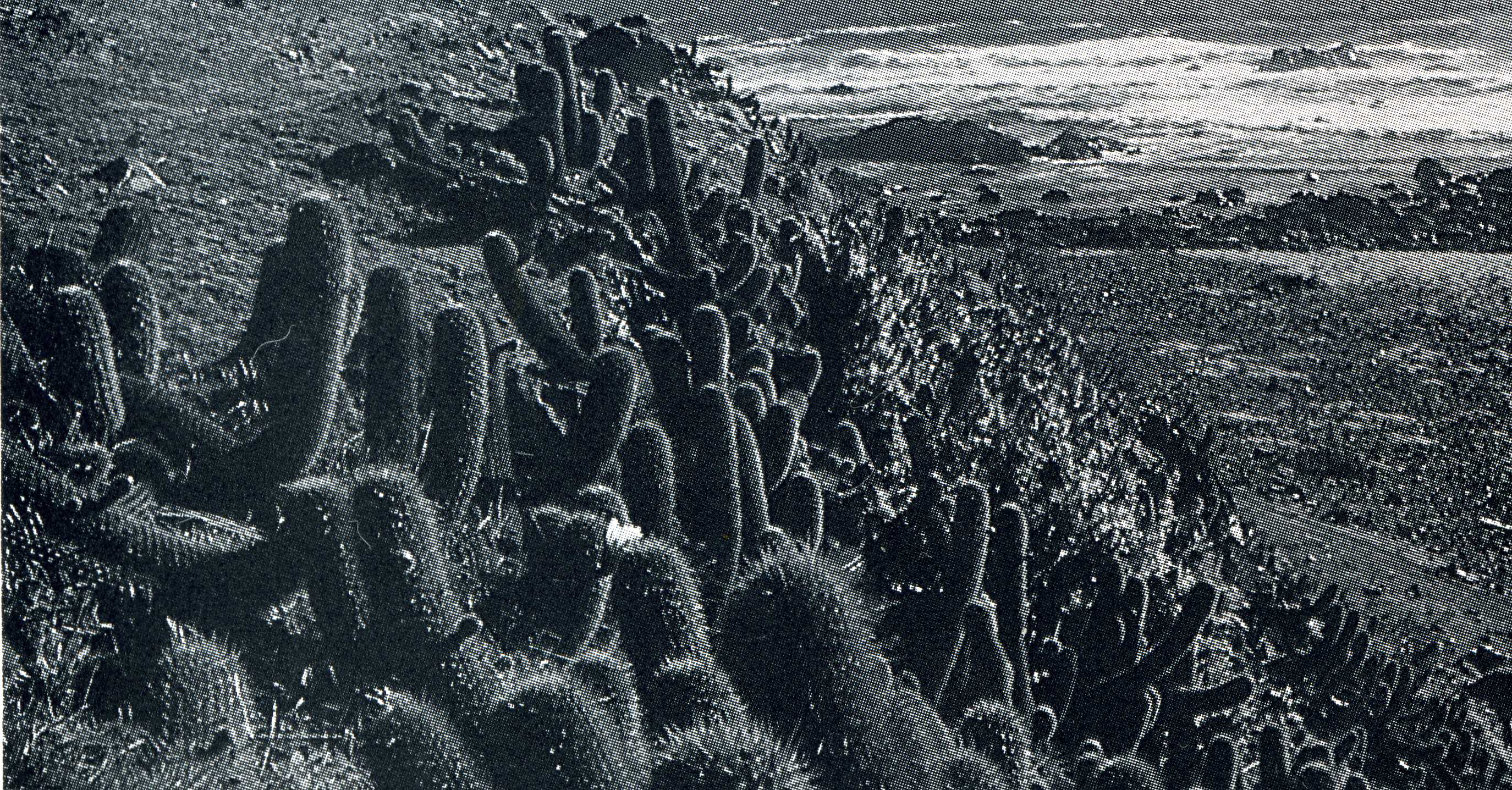
Have a look at this beautiful picture of Trichocereus Litoralis growing along the coast line in Chile.
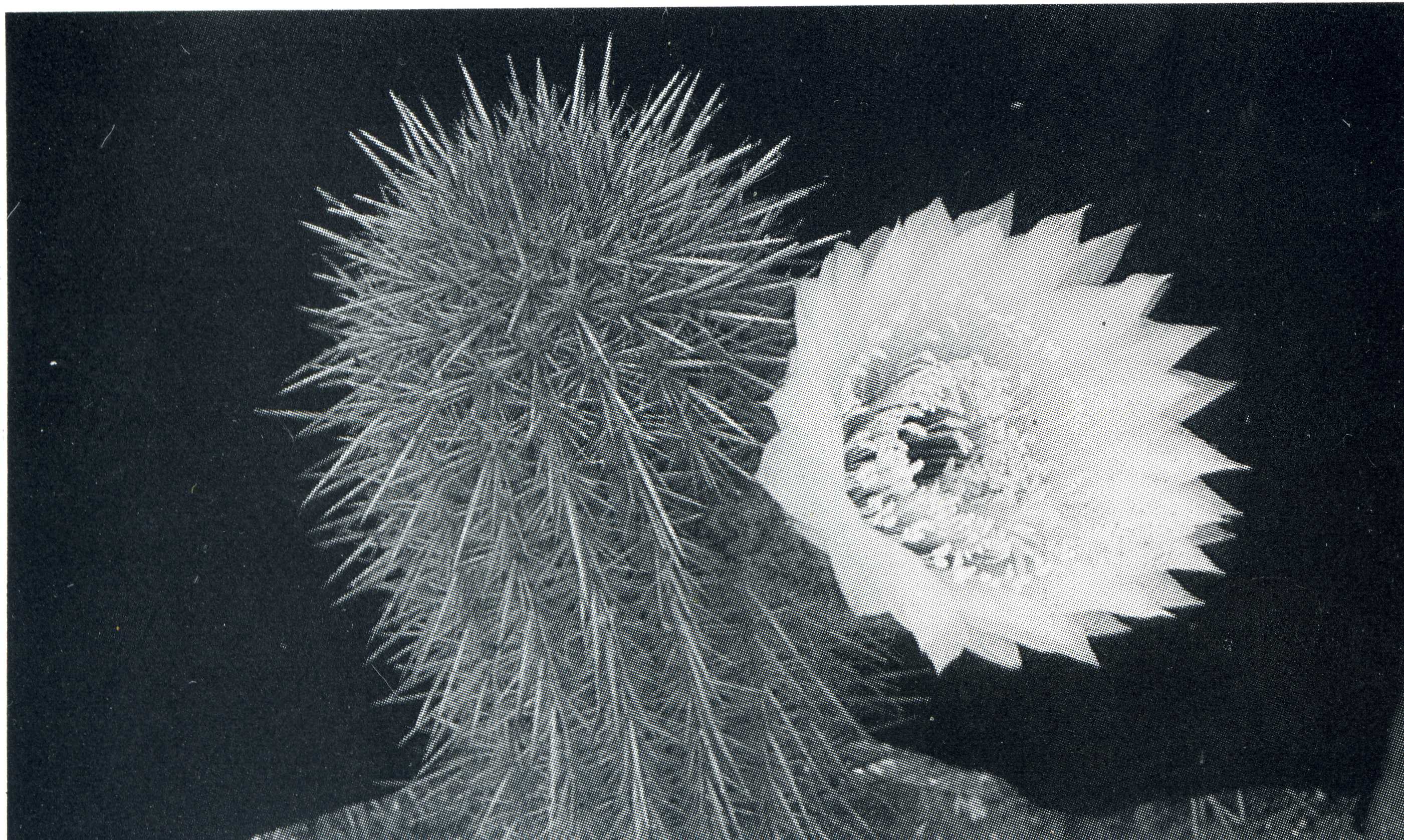
The flower of Trichocereus Litoralis is extremely beautiful and can be used in hybrid breeding. Unfortunately, those plants take very long until they reach adulthood.
Trichocereus Litoralis - Echinopsis Chilensis var. Litoralis
Other Cacti from the Sacred Succulents Field Trips
Other Cacti from the Sacred Succulents Field Trips
Hi Guys, in this post I will show you some of the other cacti from the Sacred Succulents Field trips. The copyright of all those pics is: Ben Kamm, Sacredsucculents.com
BK08530.1 Mahueniopsis boliviana, Tambillo, Bolivia
This majestic Mahueniopsis is from Bolivia. Sacred Succulents gave away seeds of that plant, which was visited during the 2008 Sacred Succulent Field Trip

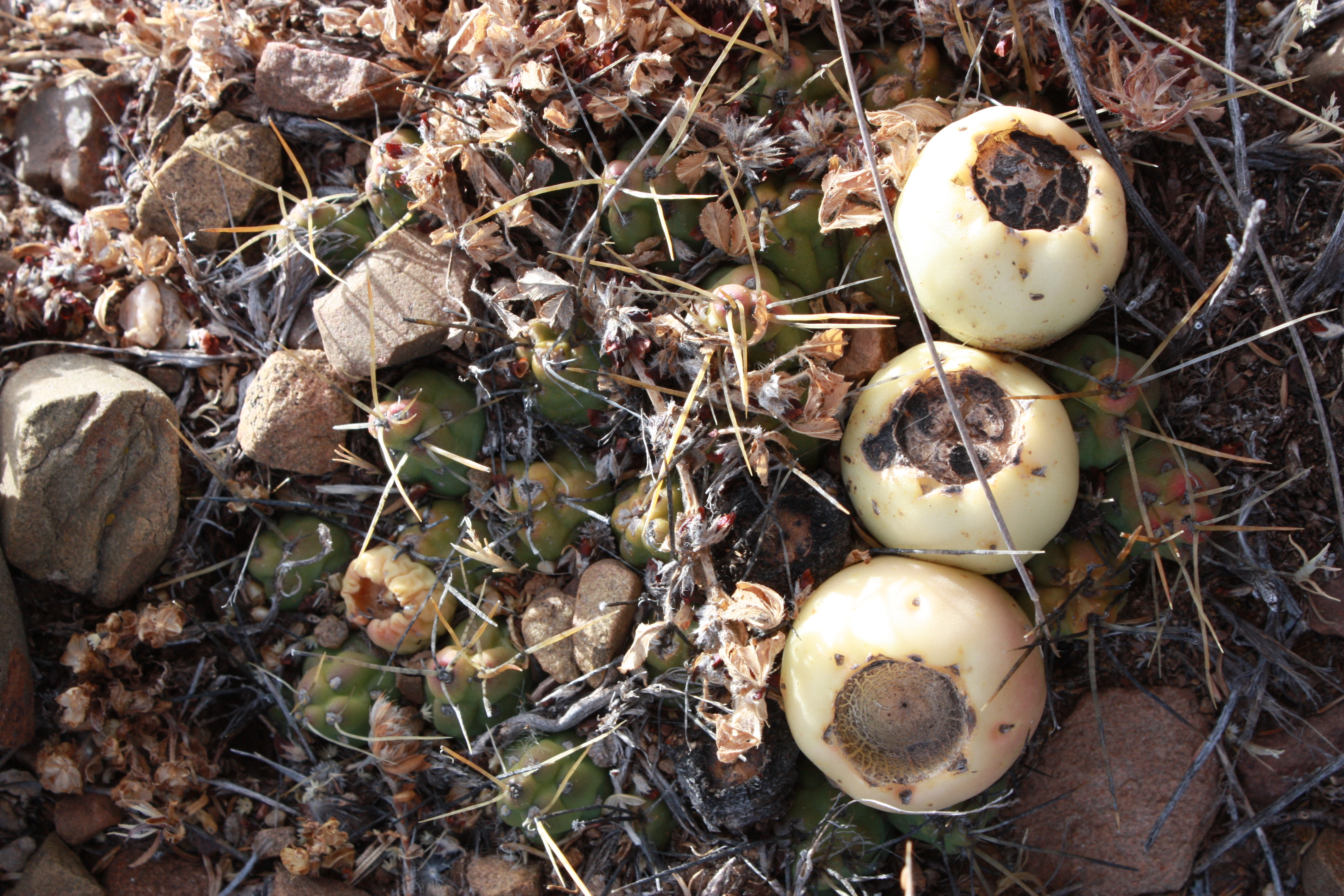
Haageocereus sp, Matucana, Peru
This very nice Haageocereus grows in Matucana, which is the home of many amazing Trichocereus species as well. There were no seed collected from that species.

BK09508.4 Borzicactus fieldianus, Chavin, Ancash, Peru
This interesting Borzicactus is definitely a Trichocereus Lookalike that you should have seen. At first, it looked a little big like a Rauhocereus but the strong segmented areoles are a lot more dominant than on other Rauhocereus species. This plant was visited during the 2009 Field Trips! Copyright: Ben Kamm
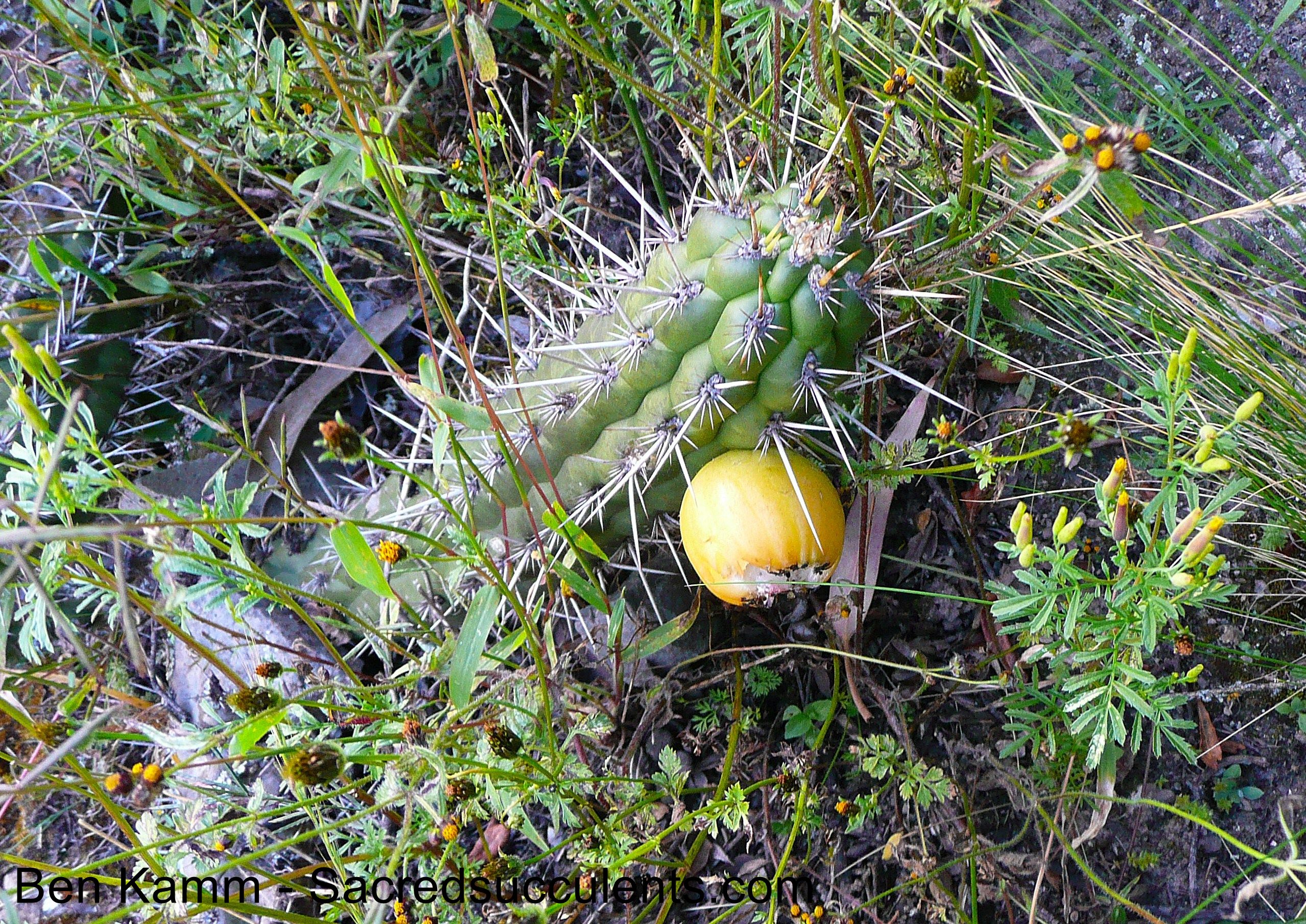
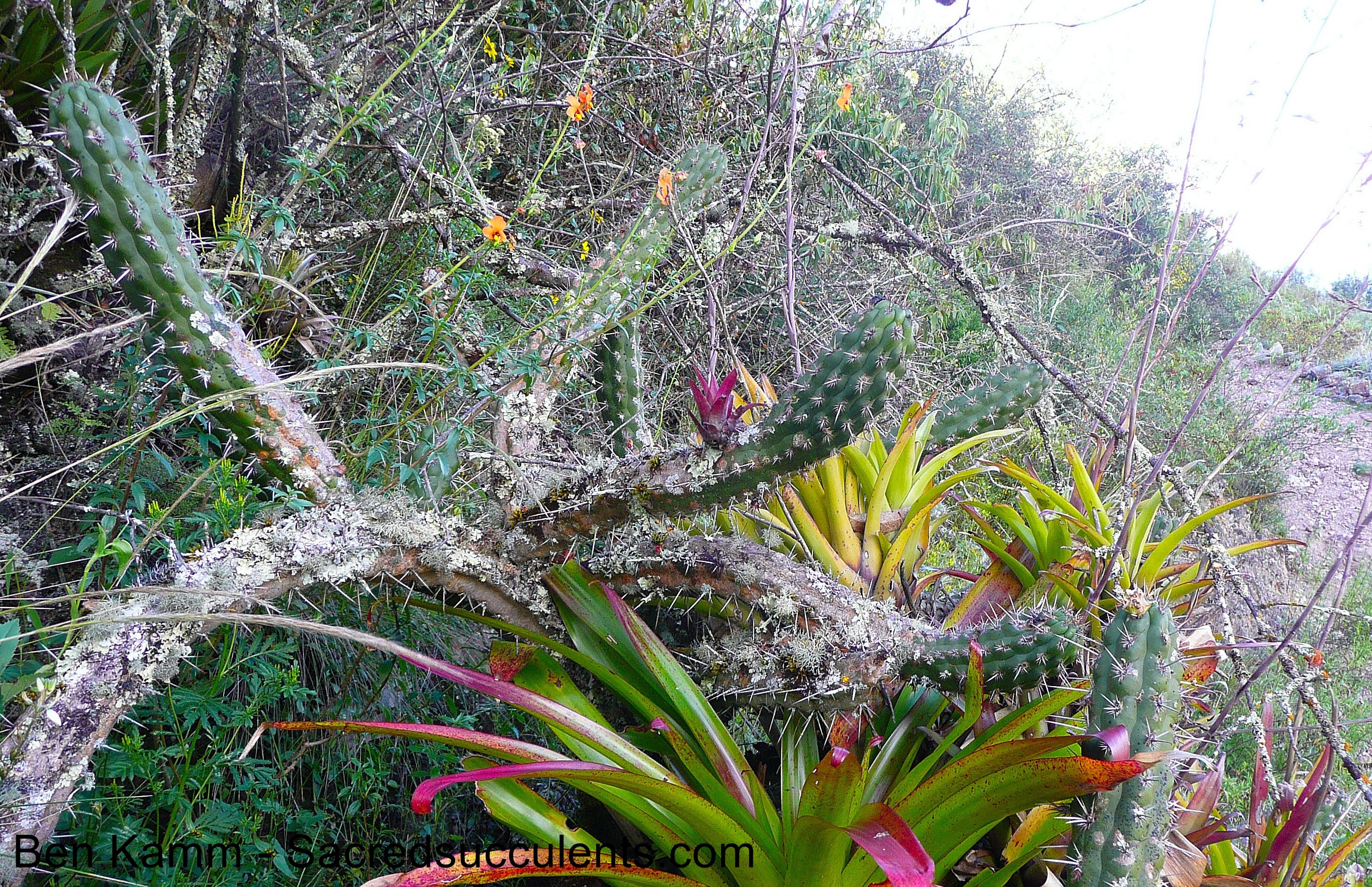
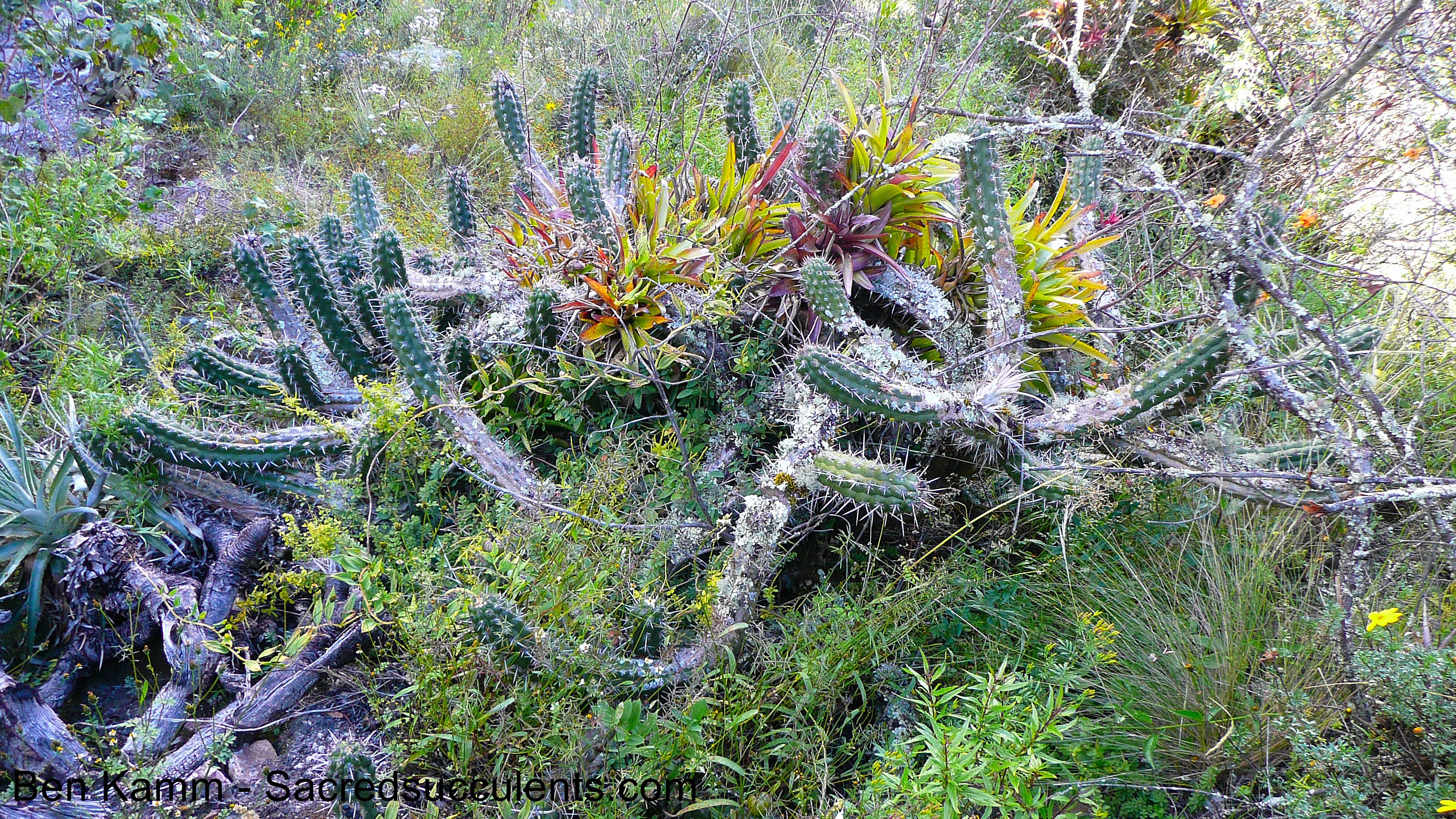
Rebutia sp, Rio Lope Mendoza, Cochabamba, Bolivia 2010
Have a look at this barely visible cactus in between rocks and dead plants. That´s a pretty typical Rebutia population and it gives you a better understanding why cacti are sometimes so hard to find. I am pretty sure that there still are a lot of new species out there to be discovered, that are just not visible enough to be found. There were no seeds collection from those plants.
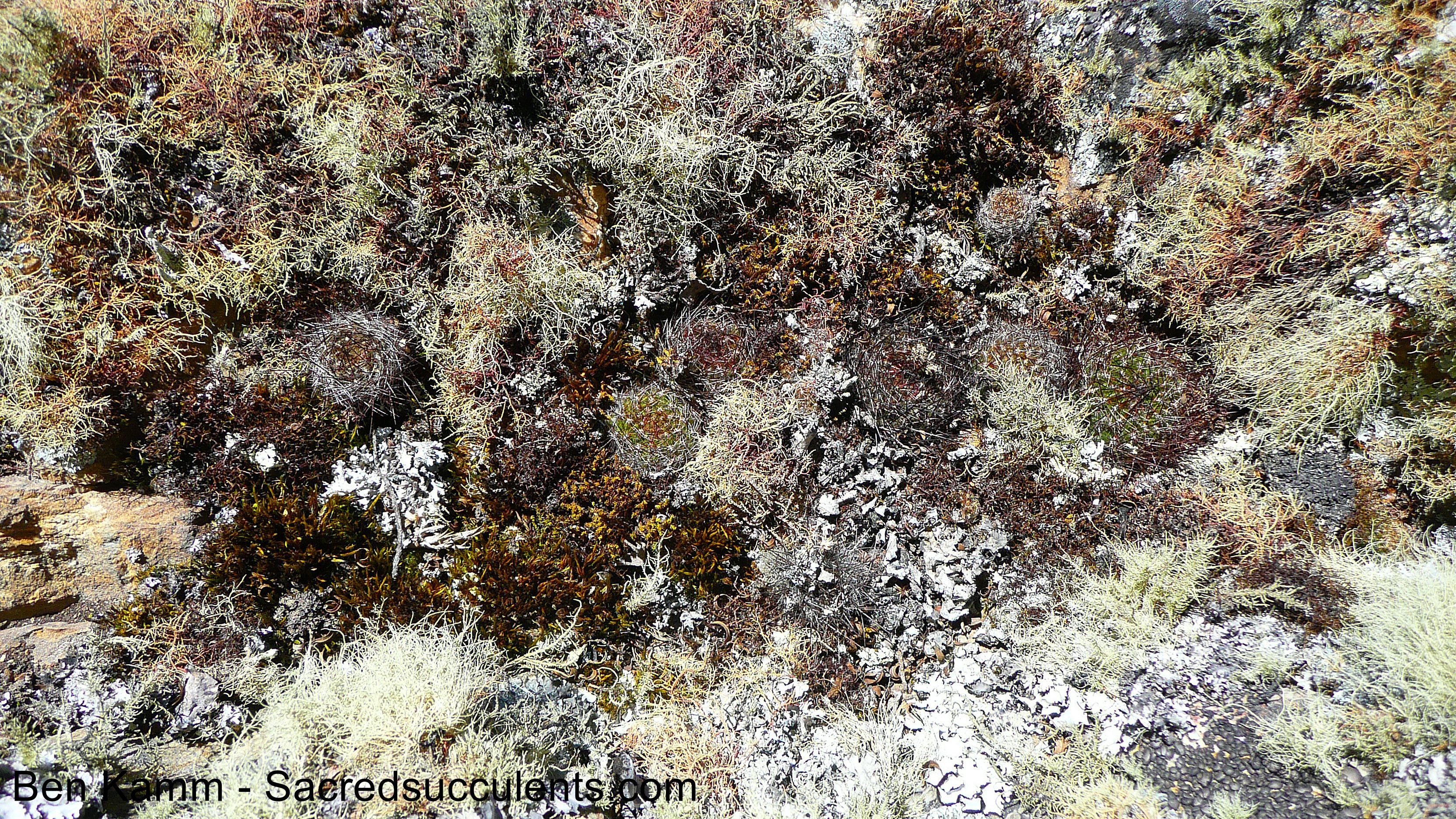
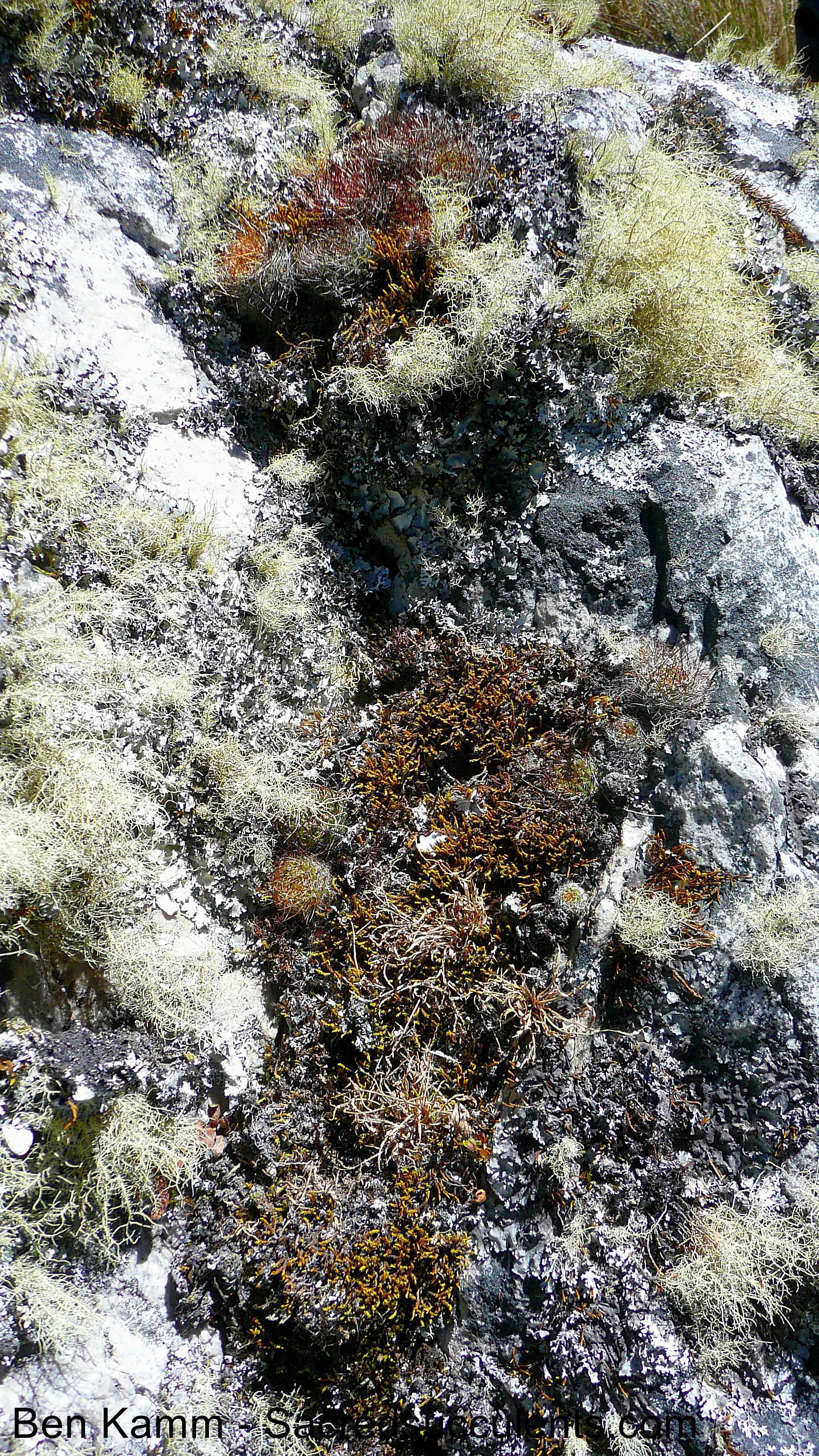
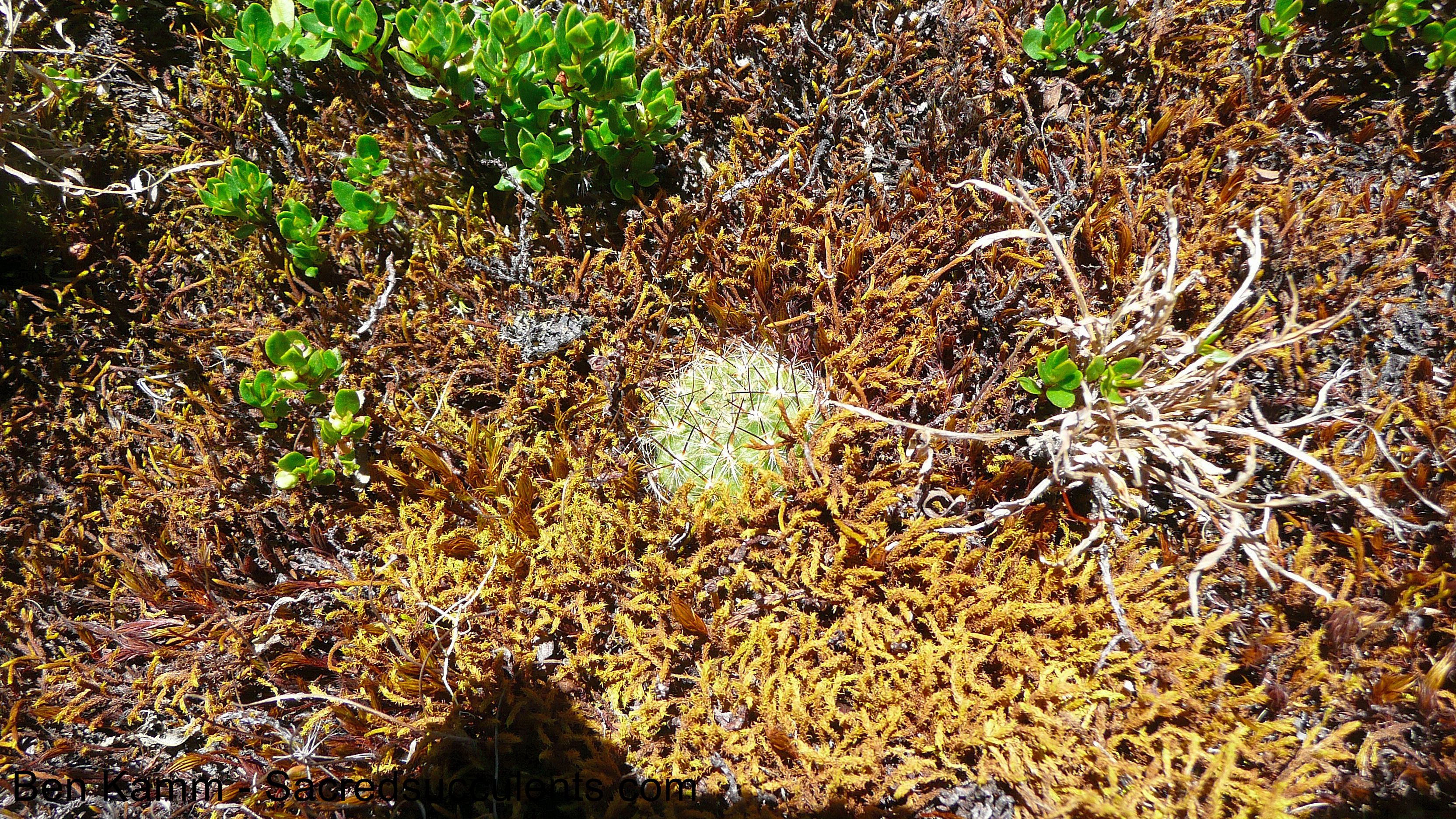
Lobivia sp, Puya habitat near Rodeo, Cochabamba, Bolivia 2010
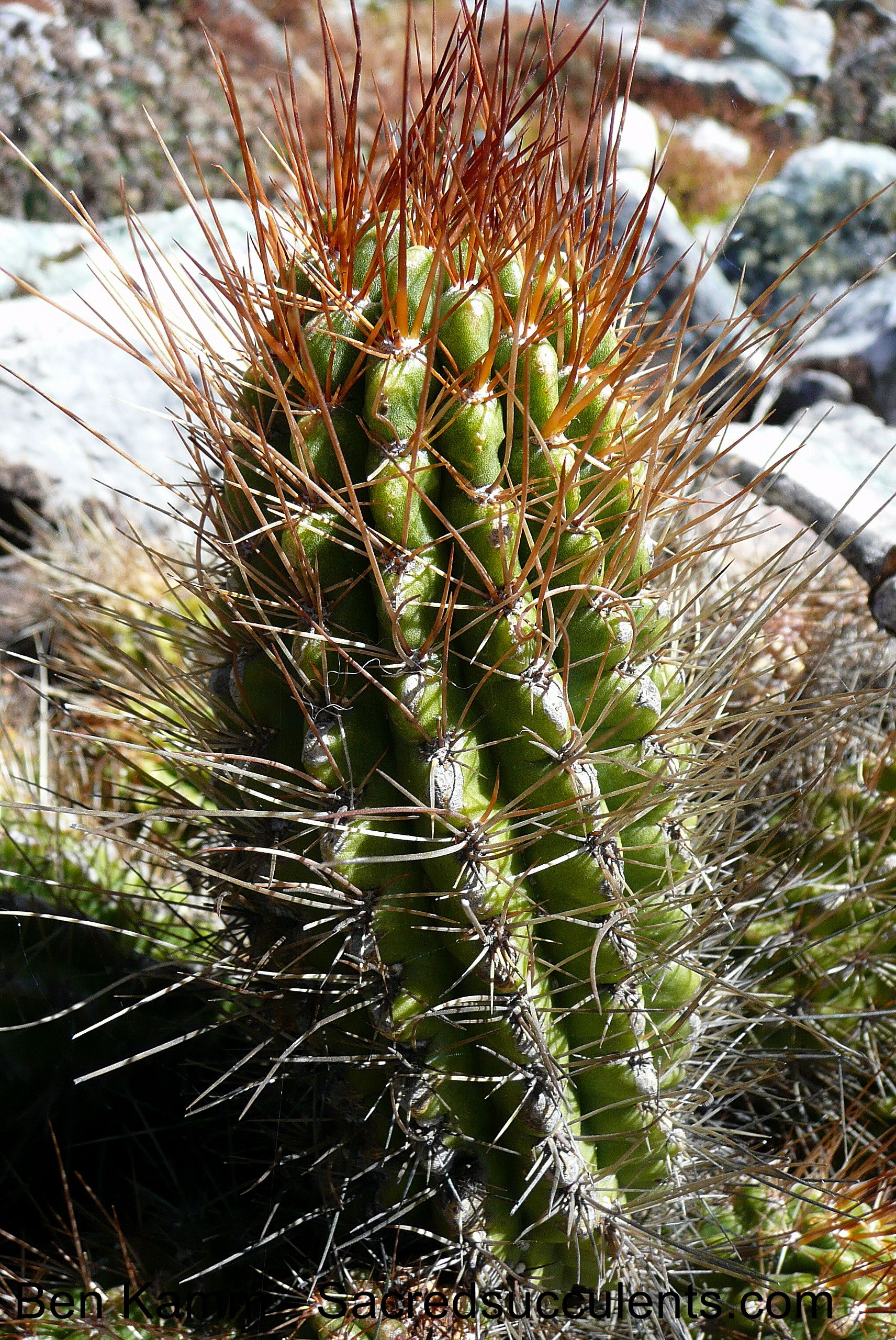

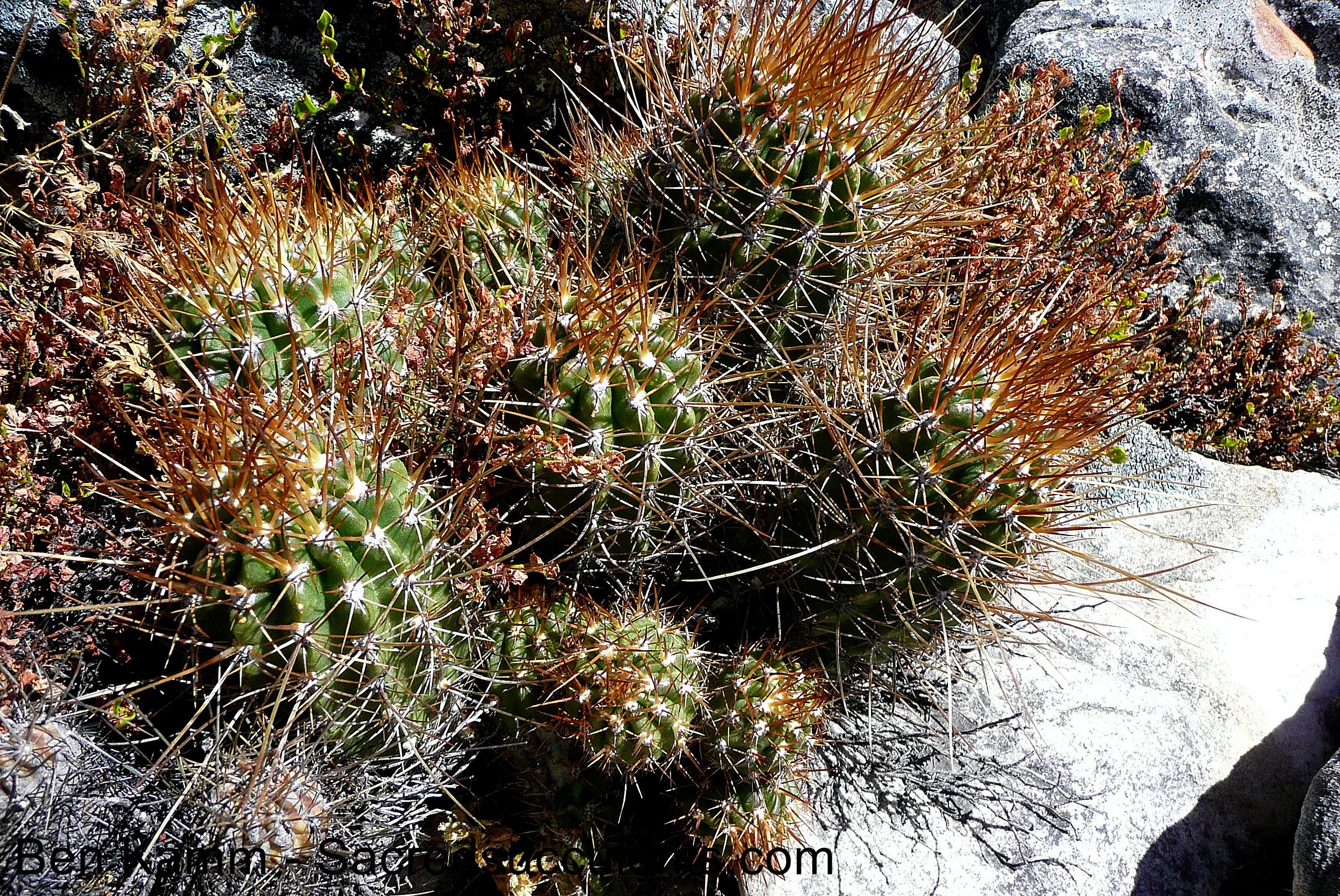
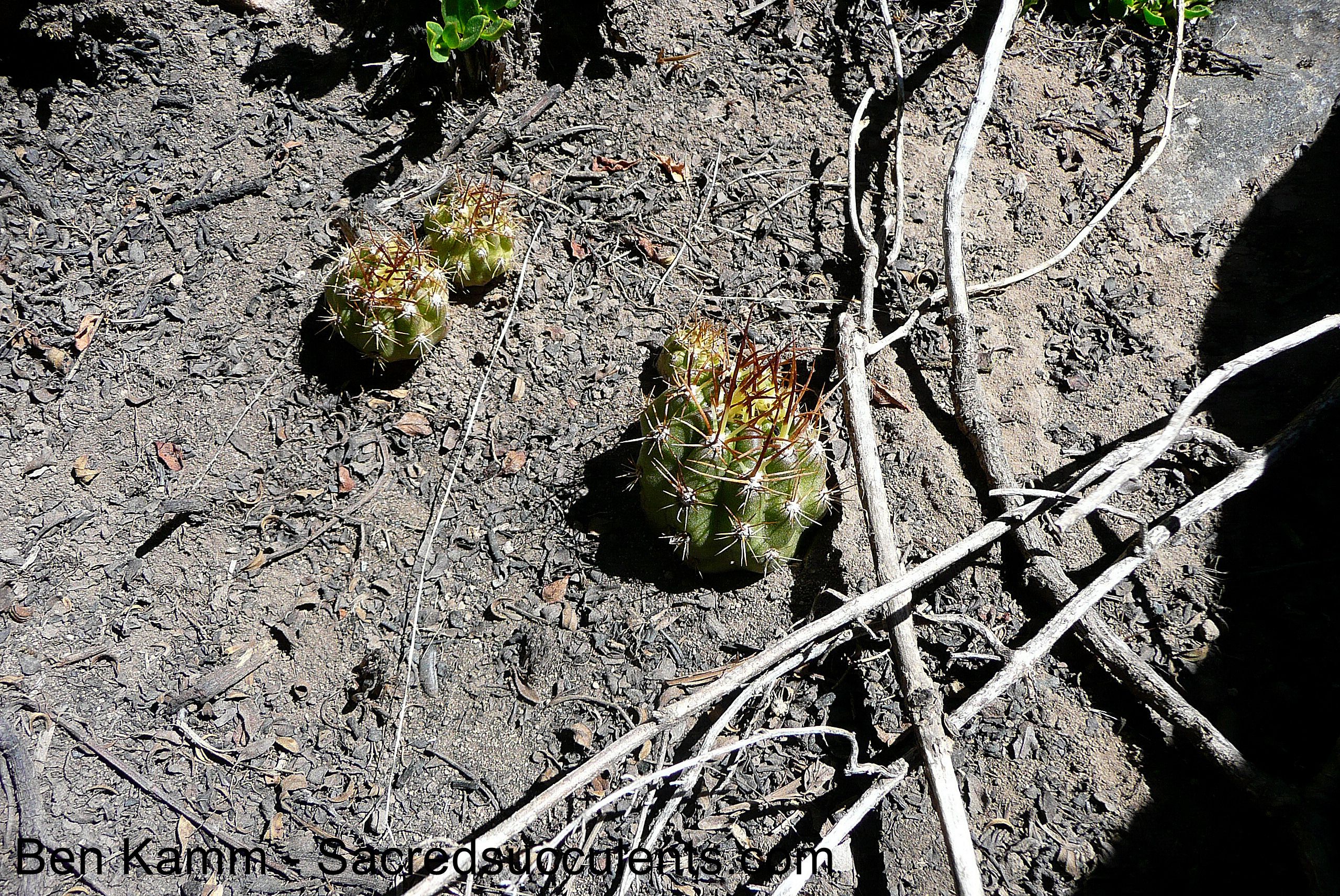
Cereus sp, descent to Chujllas, Cochabamba, Bolivia 2010
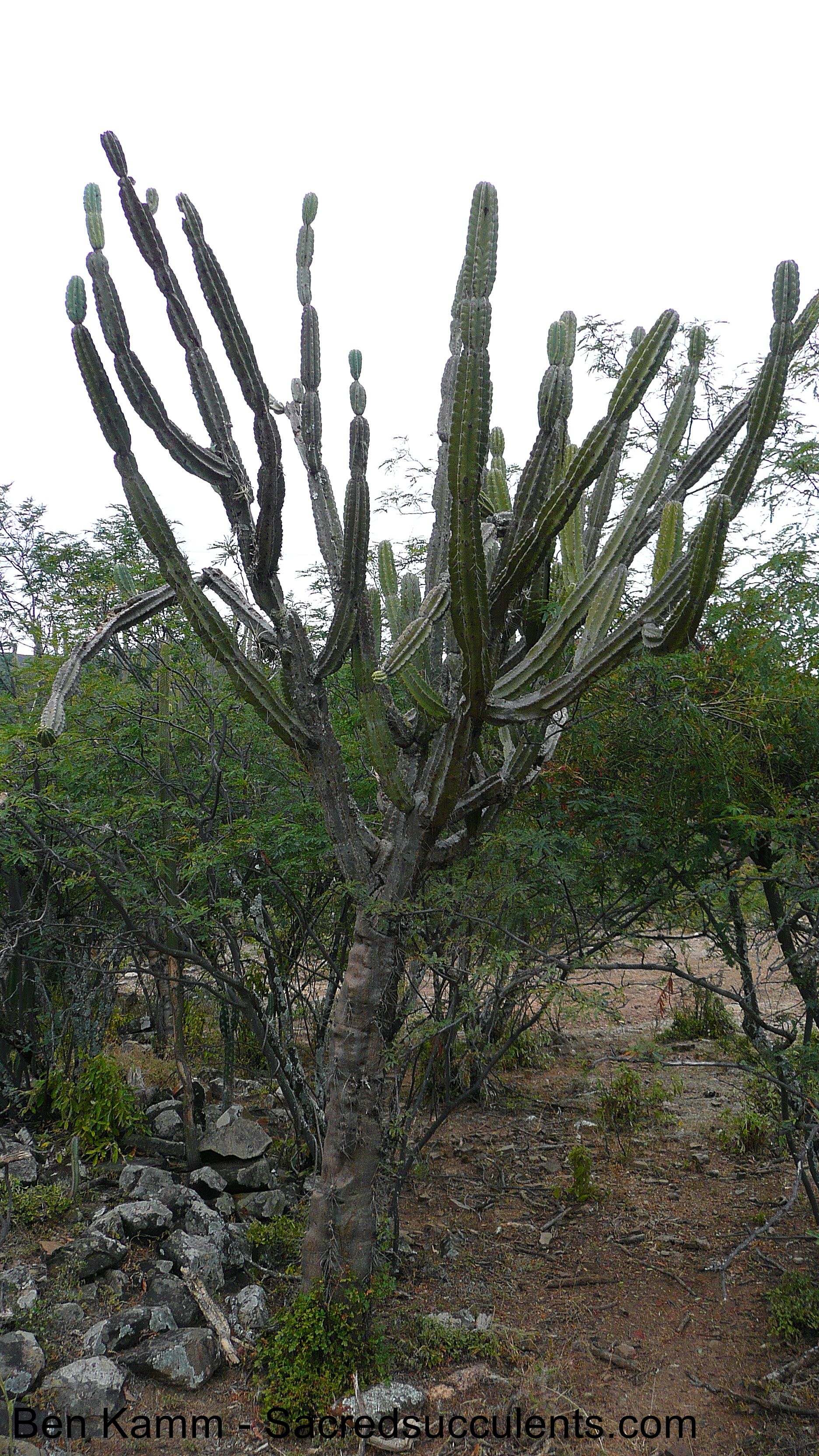
Echinopsis sp, descent to Chujllas, Cochabamba, Bolivia
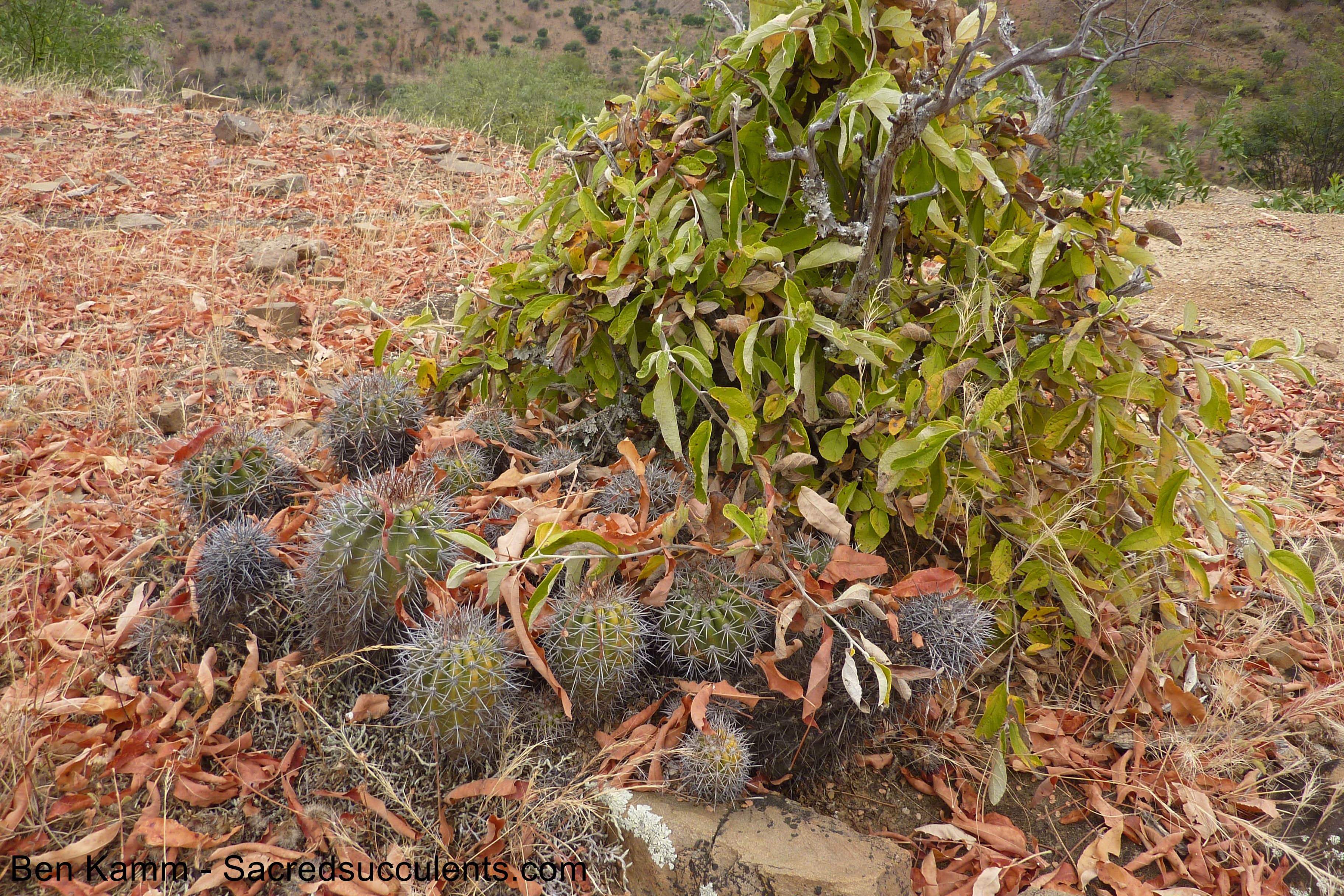
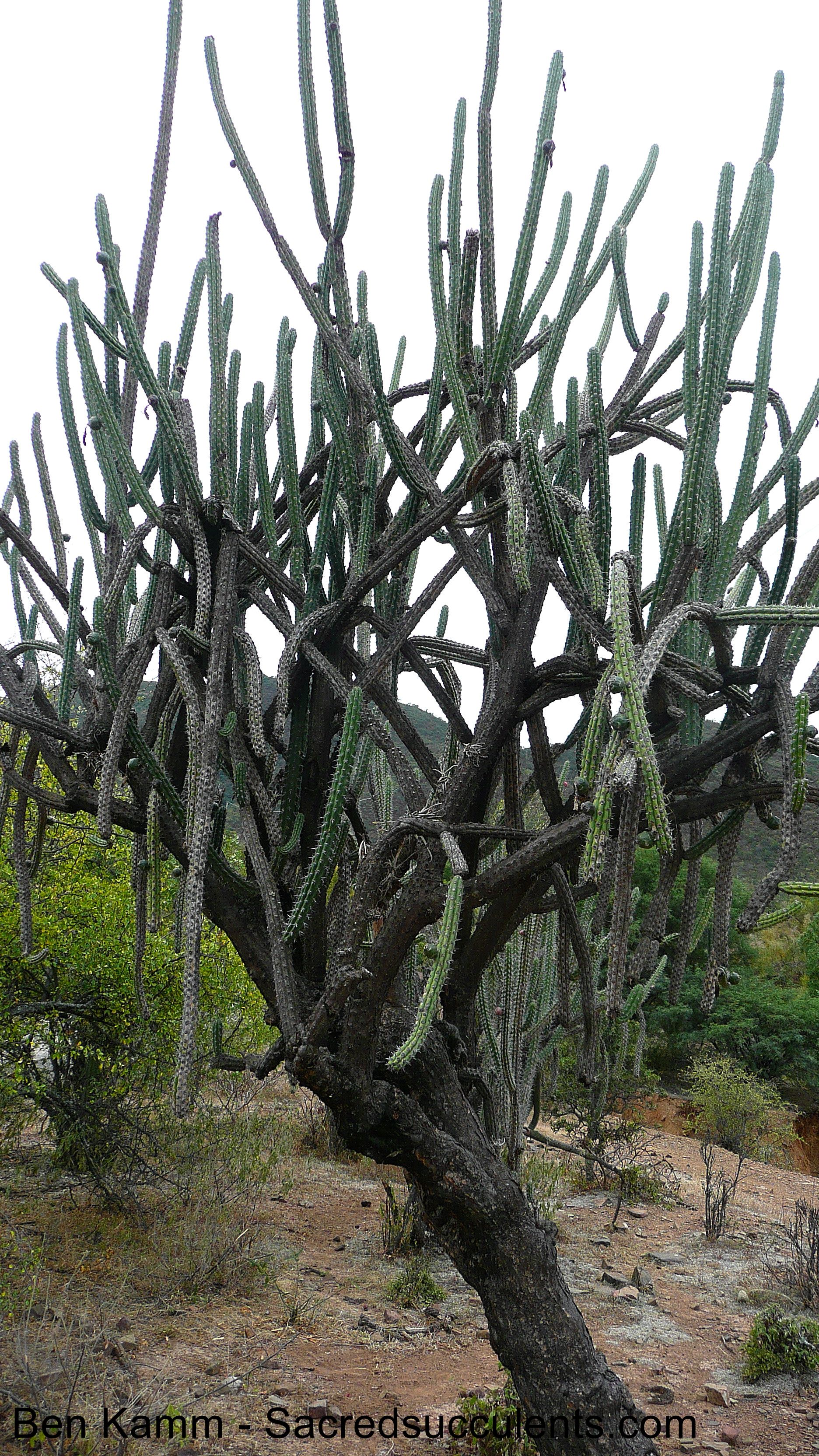
Neoraimondia herzogiana, descent to Chujllas, Cochabamba, Bolivia 2010
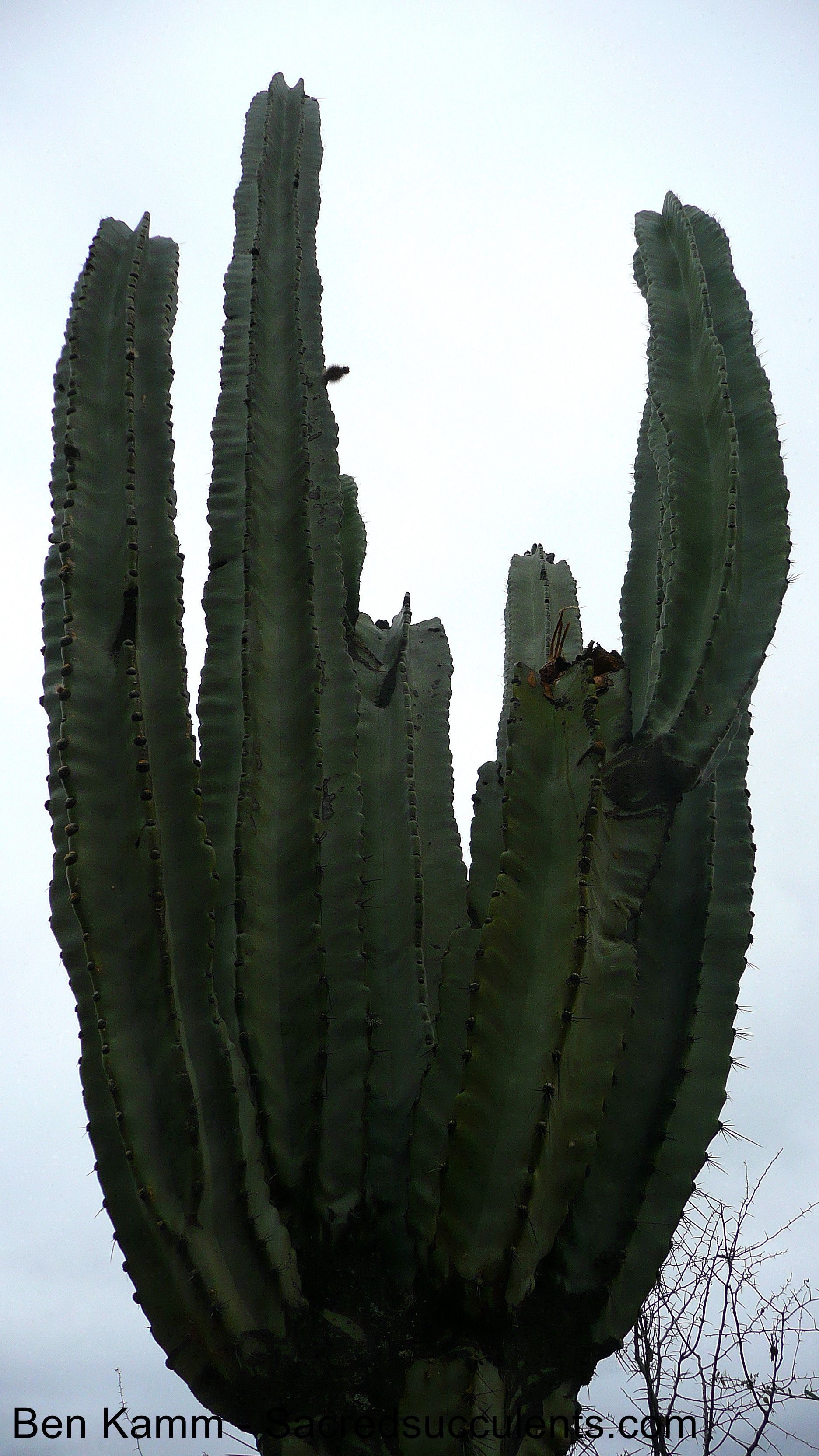
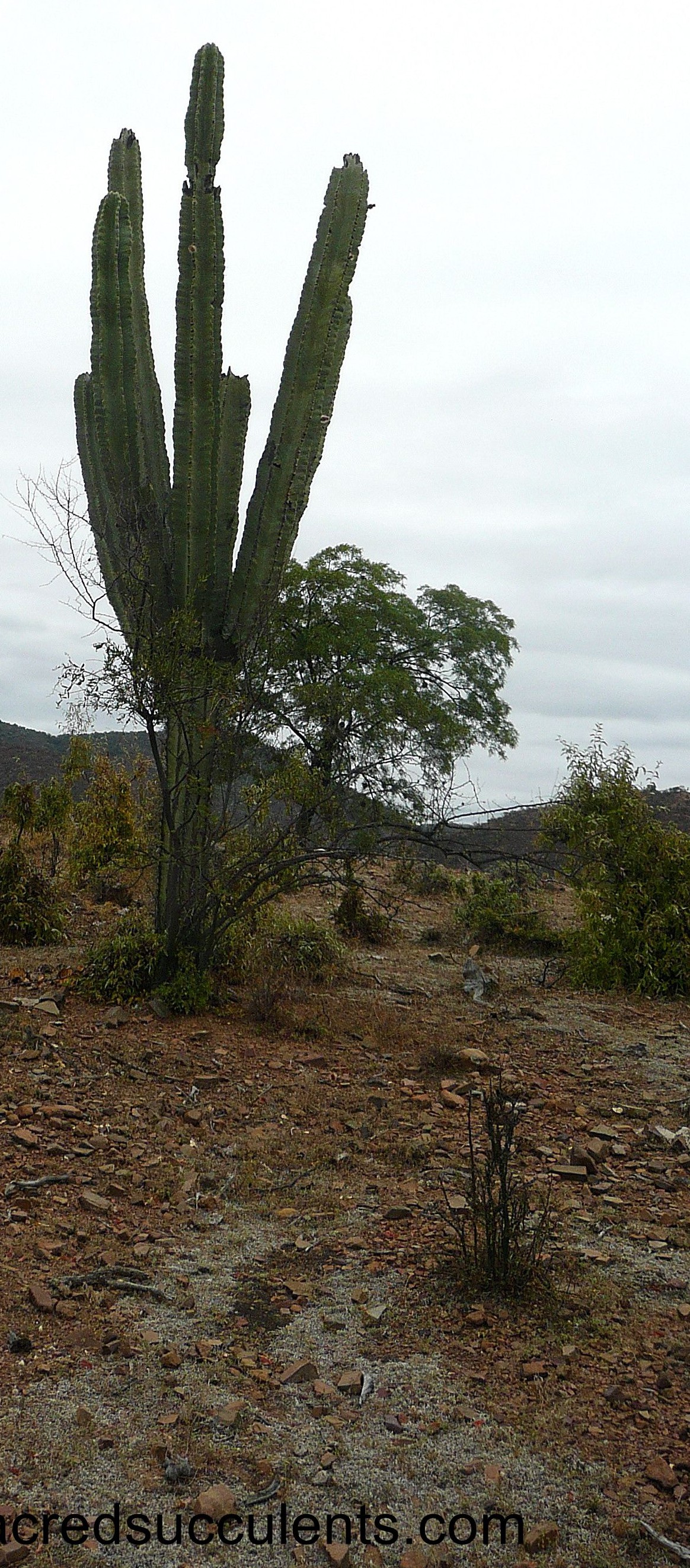
Neoraimondia herzogiana, circa Aquile, Cochabamba, Bolivia
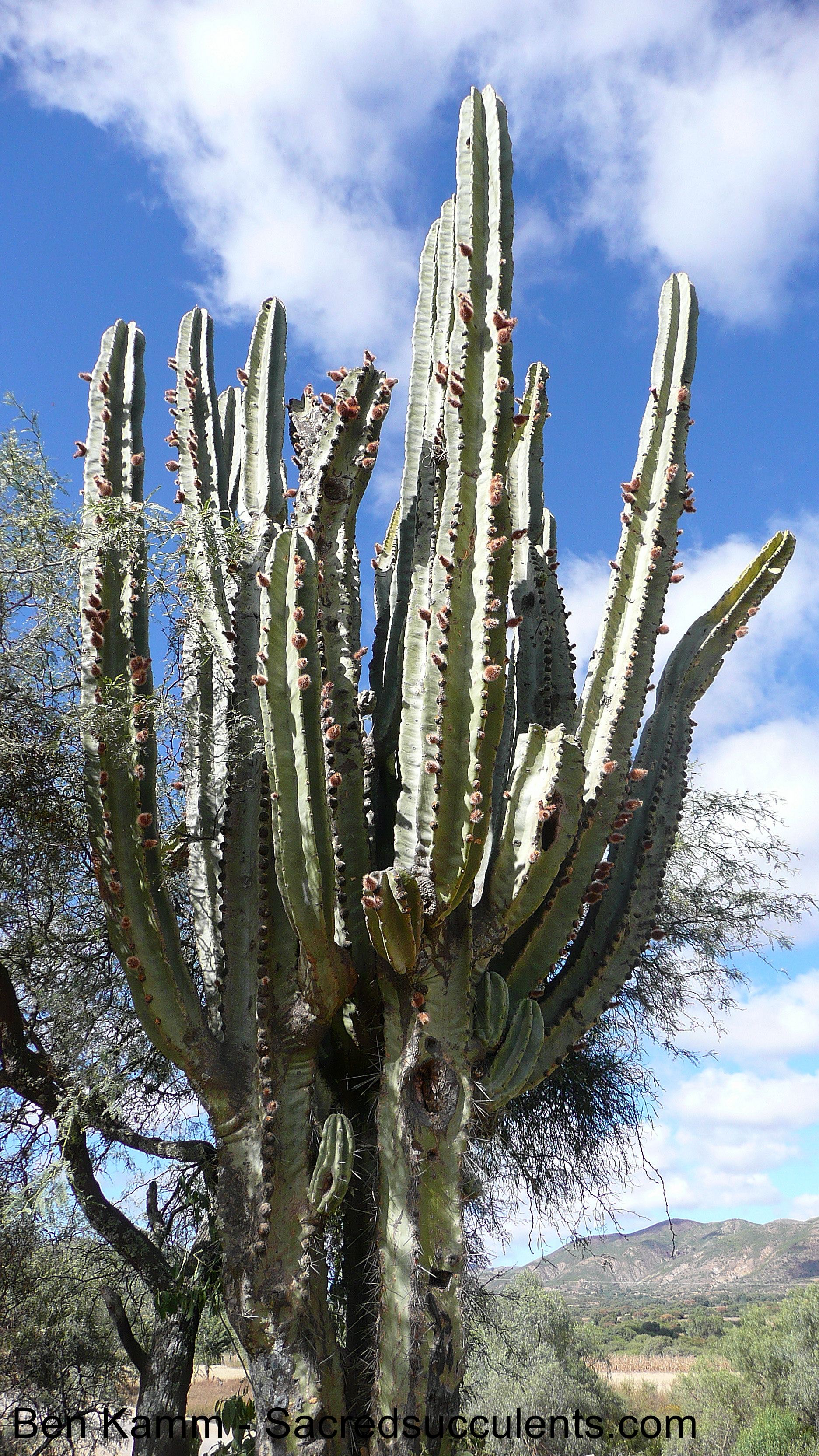
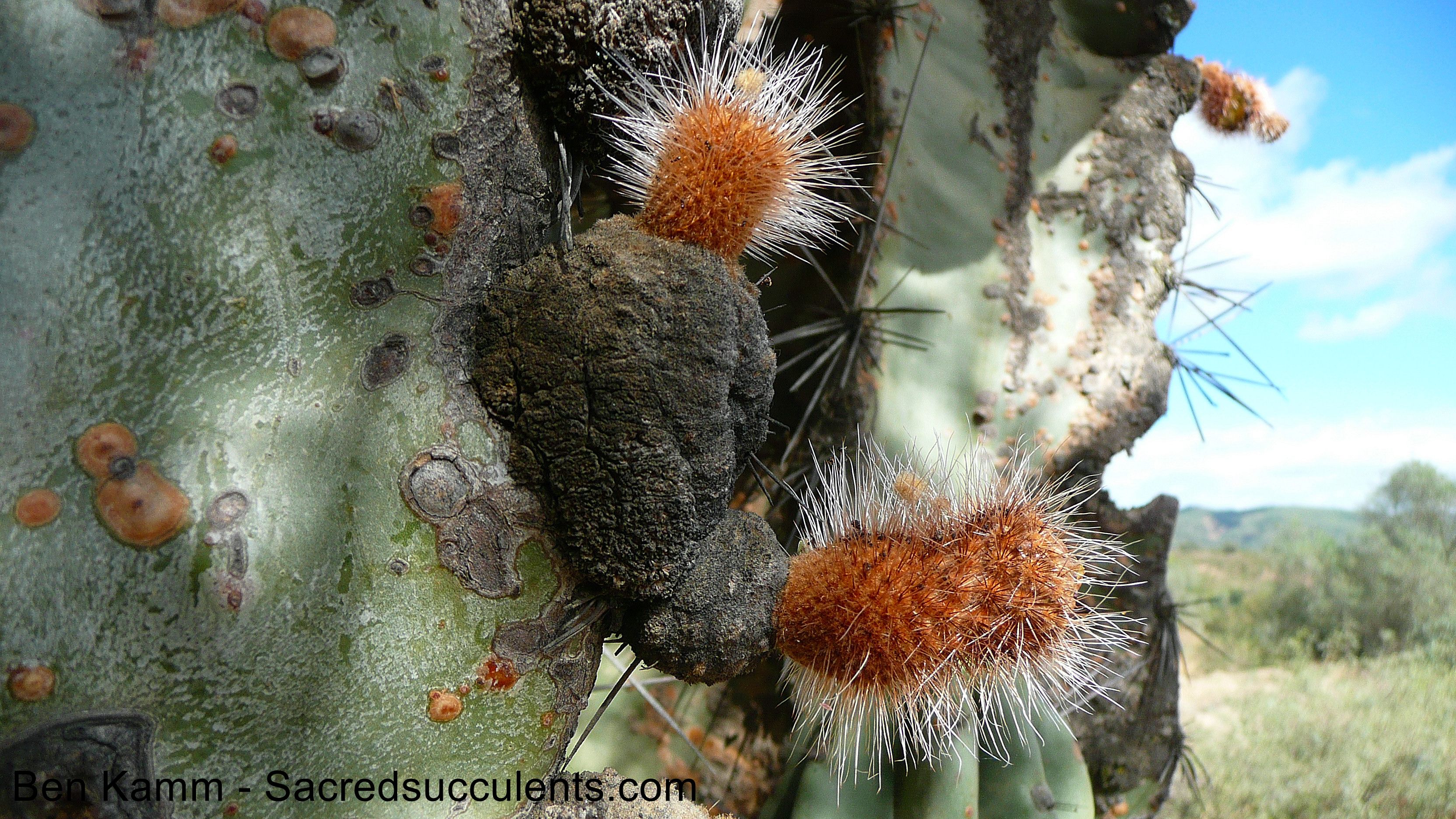
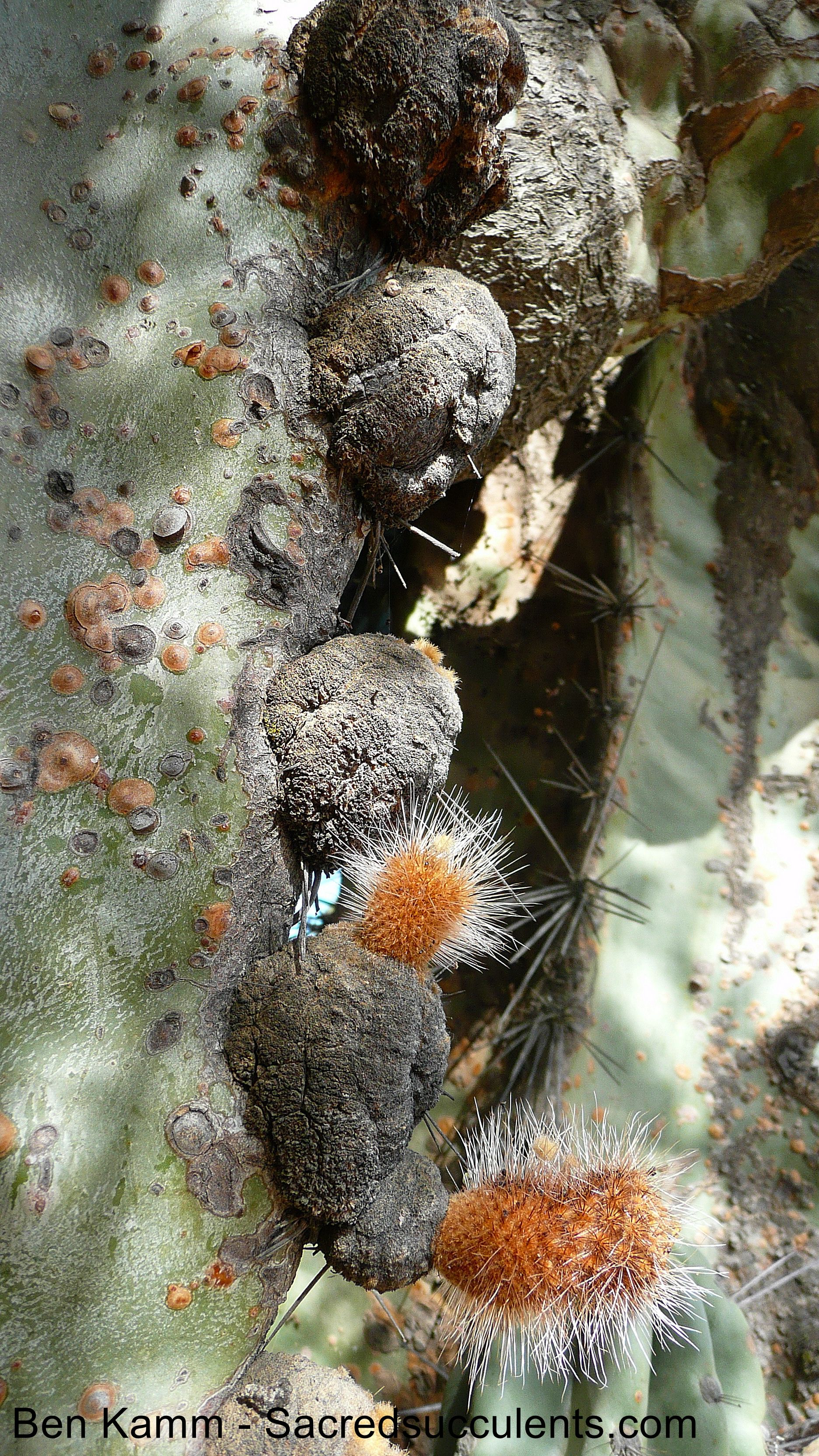
Harrisia, descent to Chujllas, Cochabamba, Bolivia
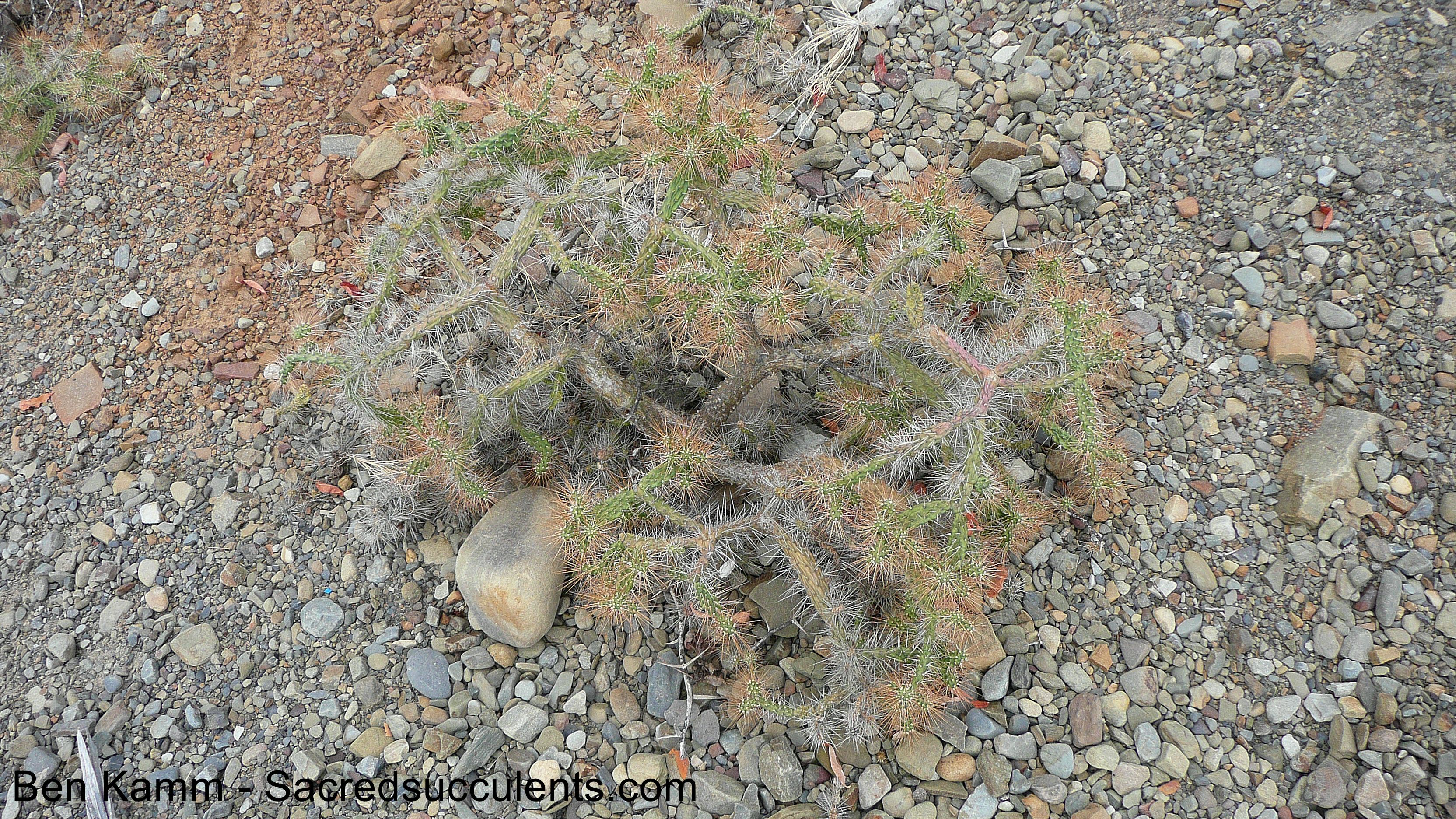
Opuntioid, descent to Chujllas, Cochabamba, Bolivia
BK10508.3 Harrisia tetracantha, Tiatako, Cochabamba, Bolivia

BK10506.1 Cleistocactus buchtienii, Cerro San Pedro, Cochabamba, Bolivia

Echinopsis sp, Cerro San Pedro, Cochabamba, Bolivia
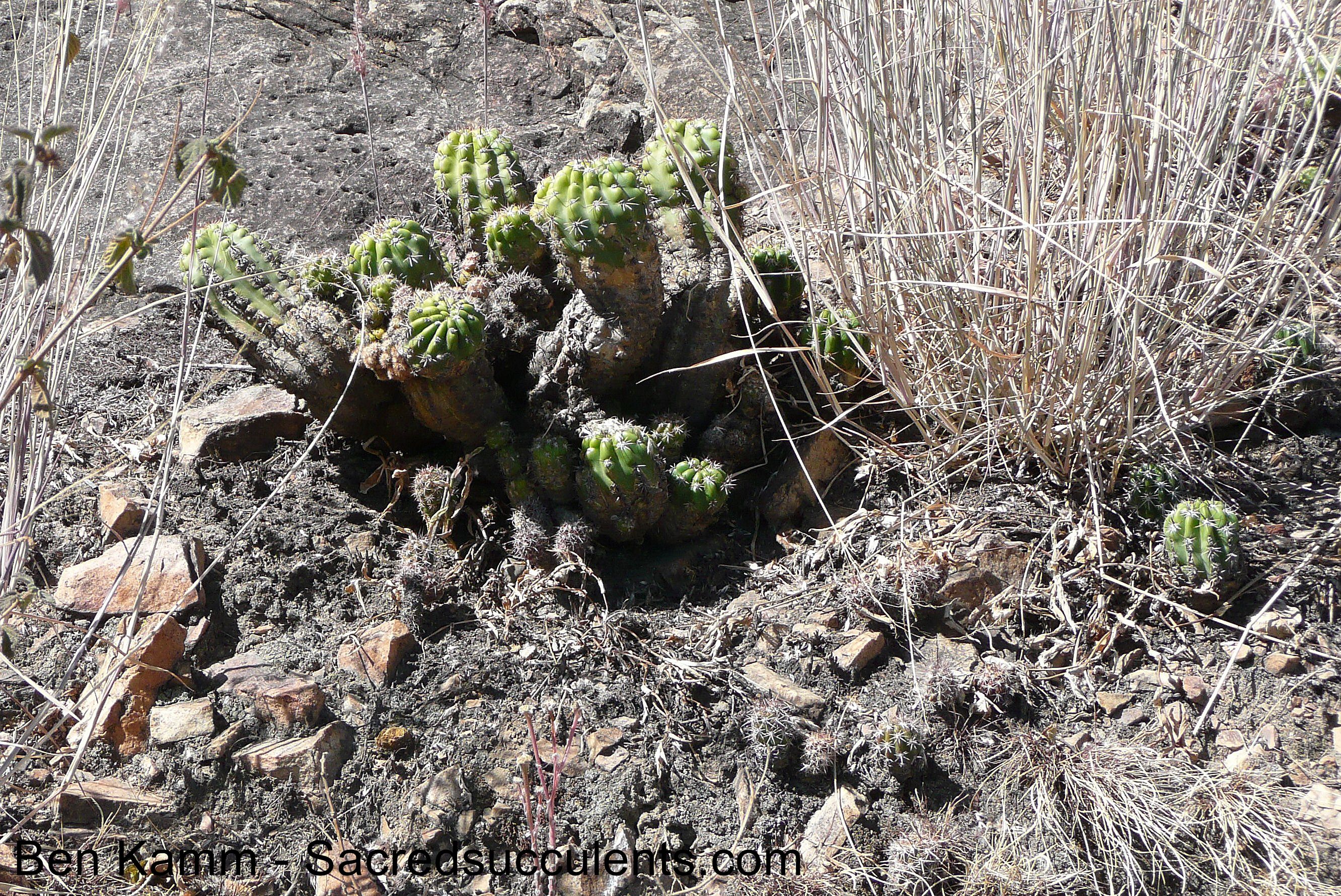
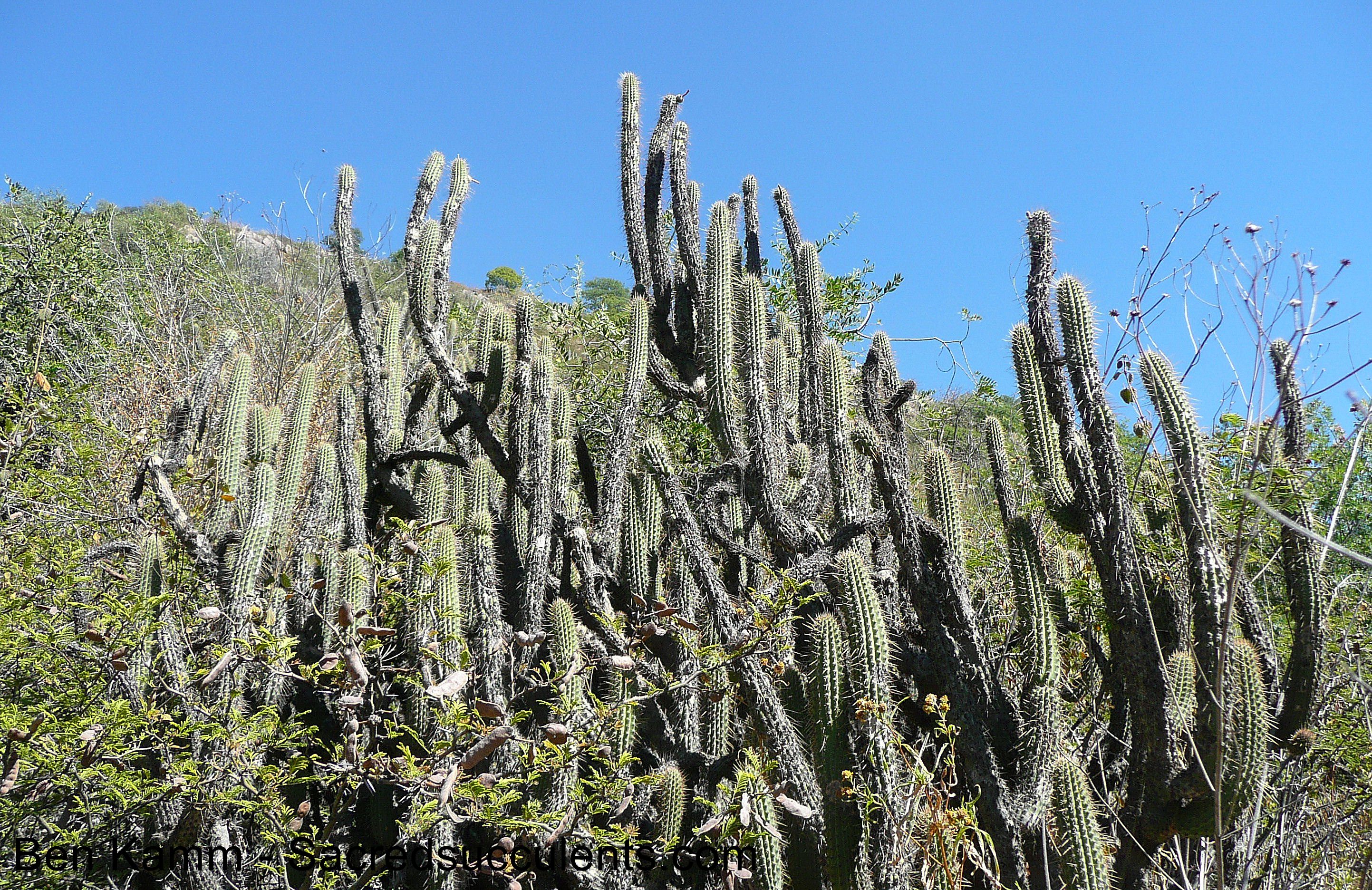
Harrisia tetracantha, Cerro San Pedro, Cochabamba, Bolivia
BK08602.2 Lobivia sp. Isla del Sol, Bolivia
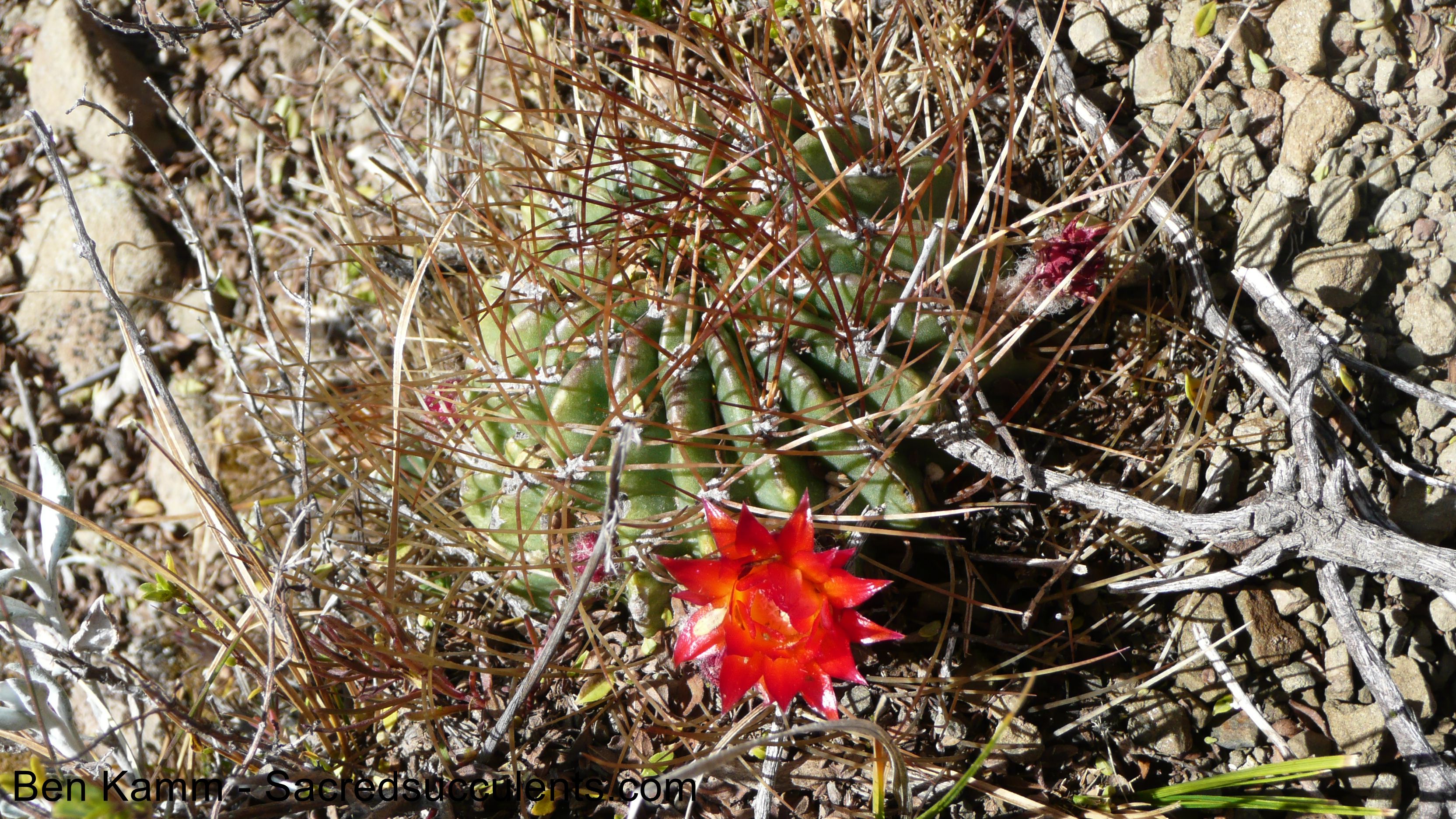
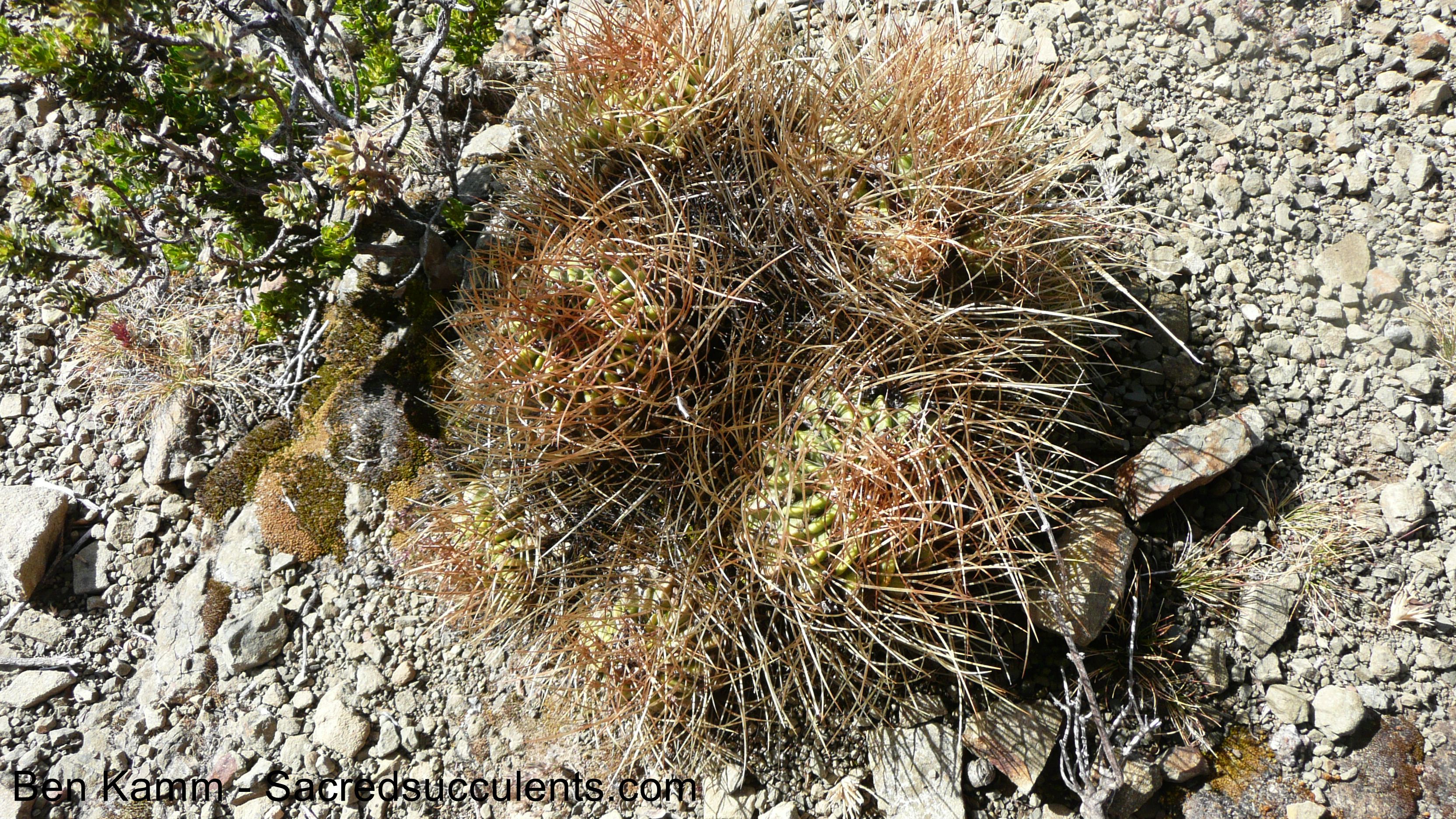
Oreocereus psuedofossulatus, Bolivia (N. Logan)


Haageocereus, Vilcabamba, Ecuador (N. Logan)

Matucana haynei, Matucana, Peru

BK08611.3 Haageocereus tenuis, Jardin Botanico, Parque de las Leyendas, Lima, Peru


BK08611.1 Cleistocactus xylorhizus, Parque de las Leyendas, Lima, Peru
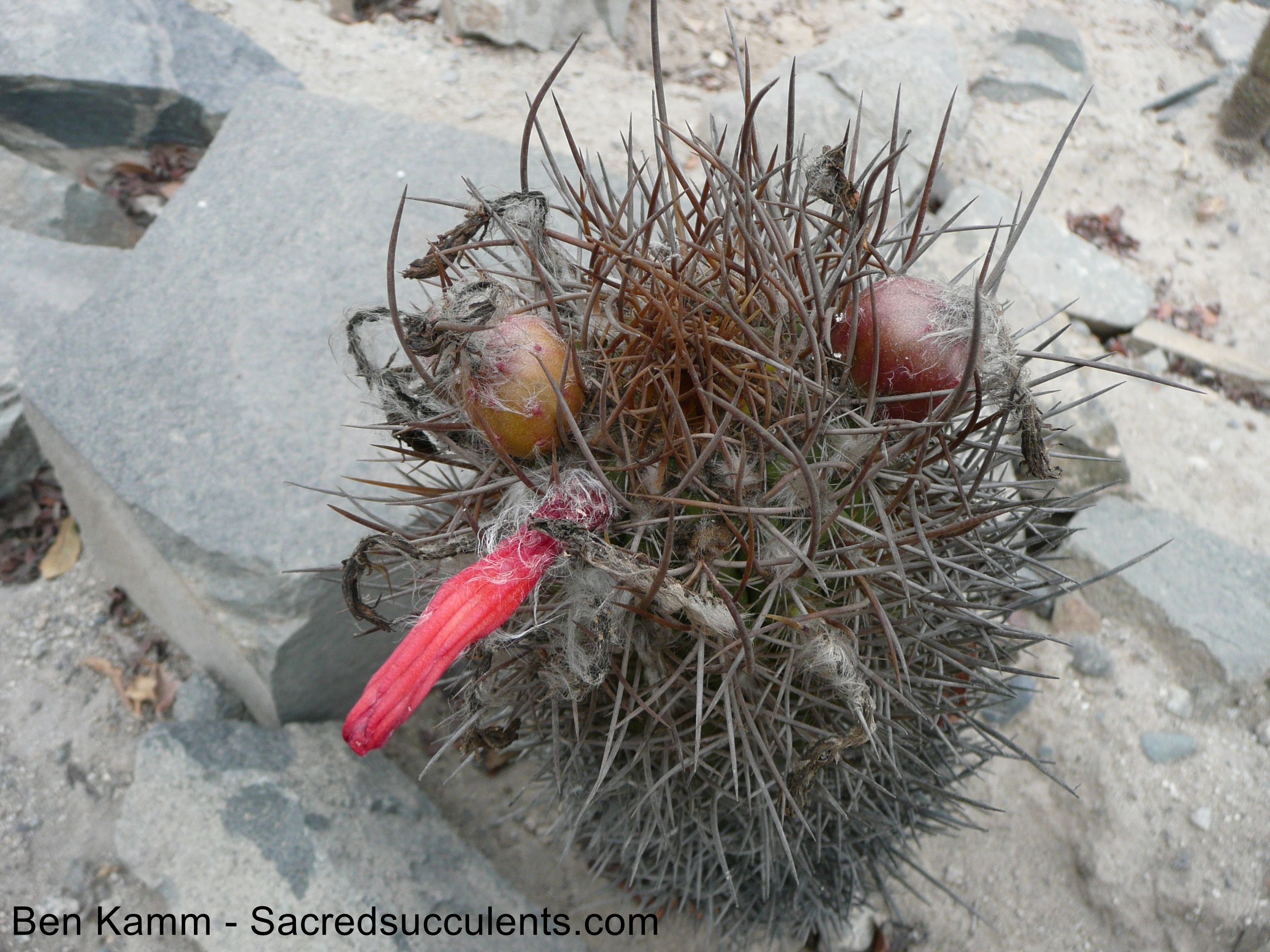
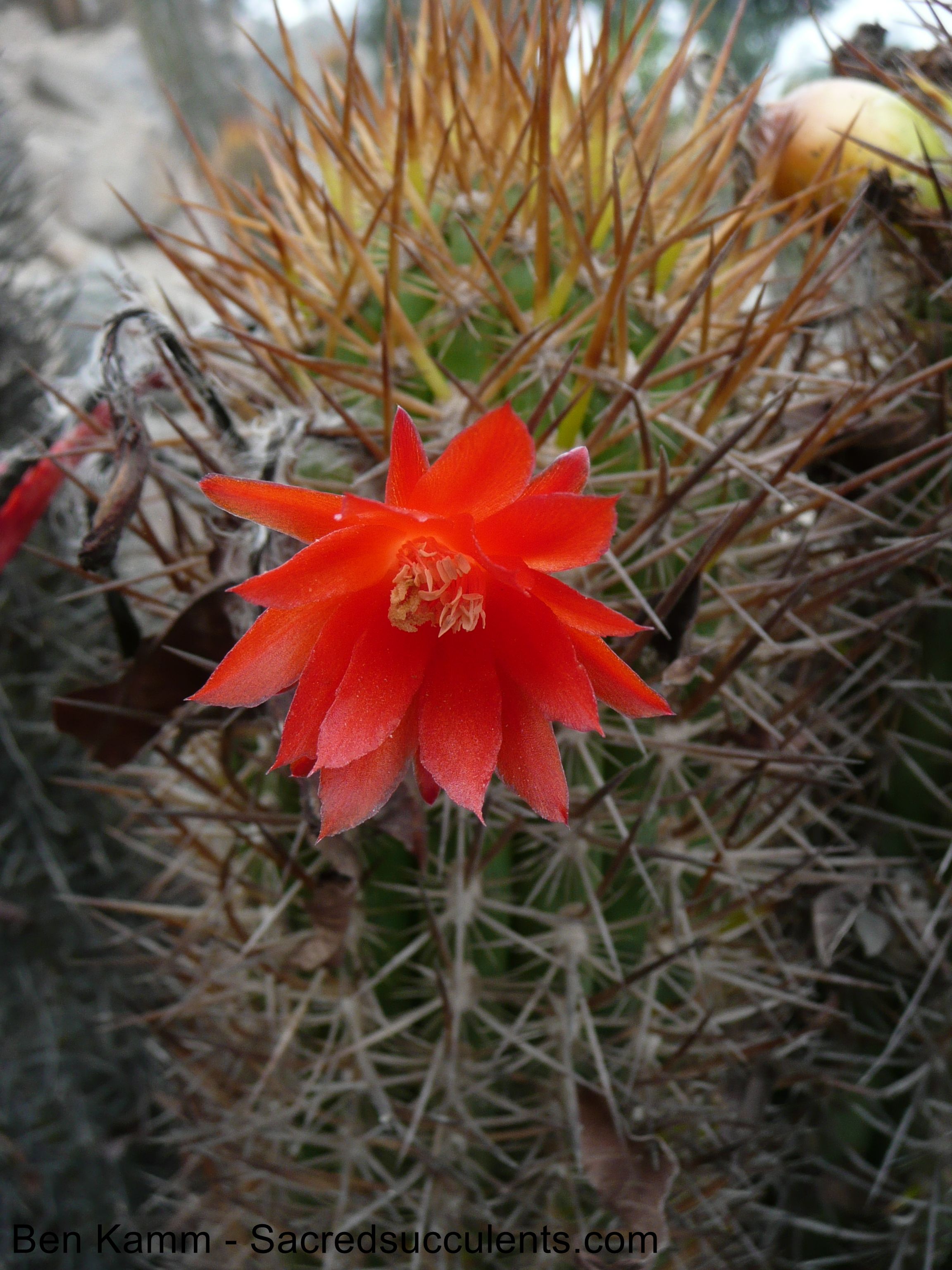
BK08606.3 Cleistocactus sp. Pasto Grande, Yungas, Bolivia
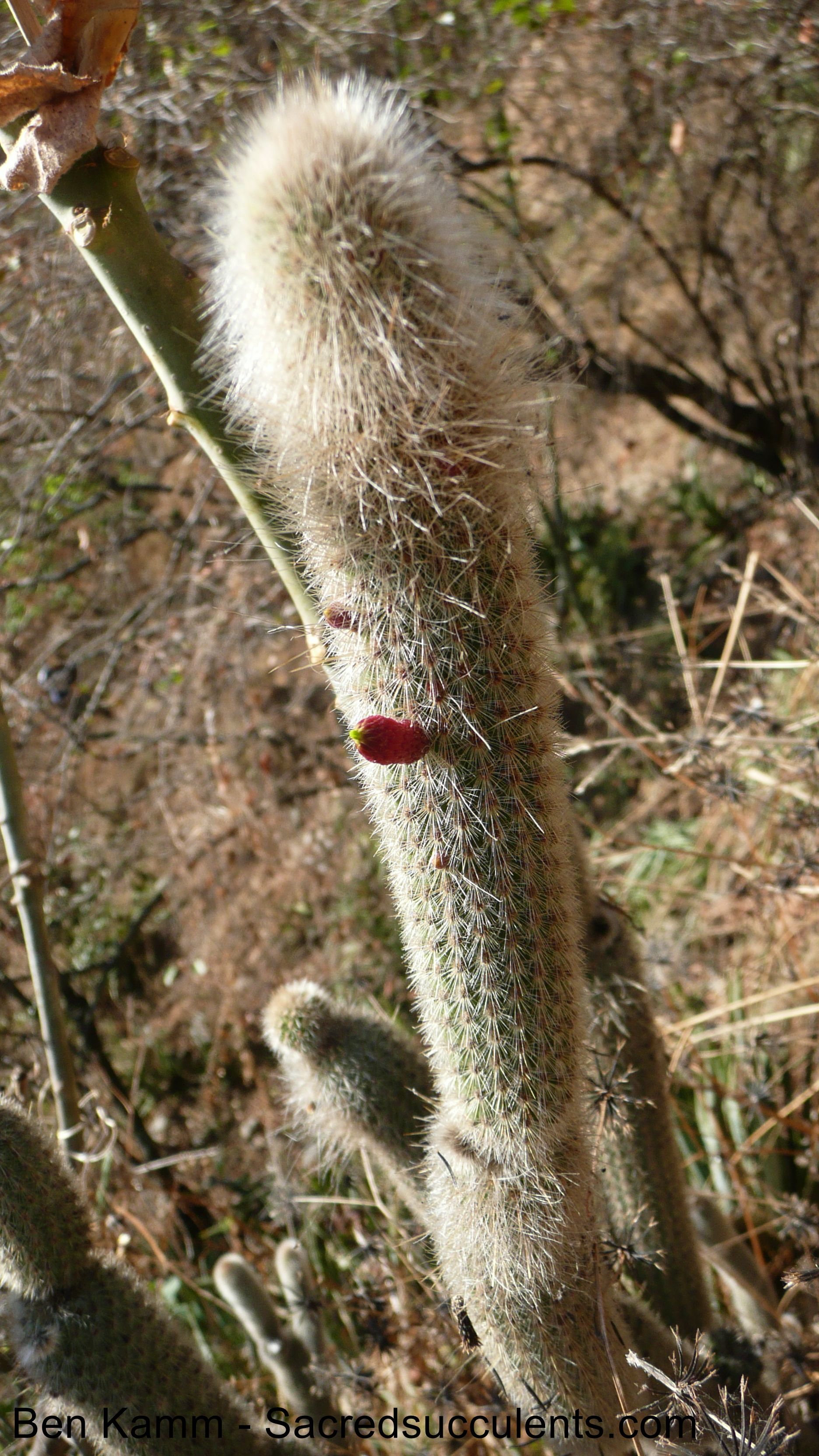
BK08606.6 Yungasocereus inquisivensis, Pasto Grande, Yungas, Bolivia
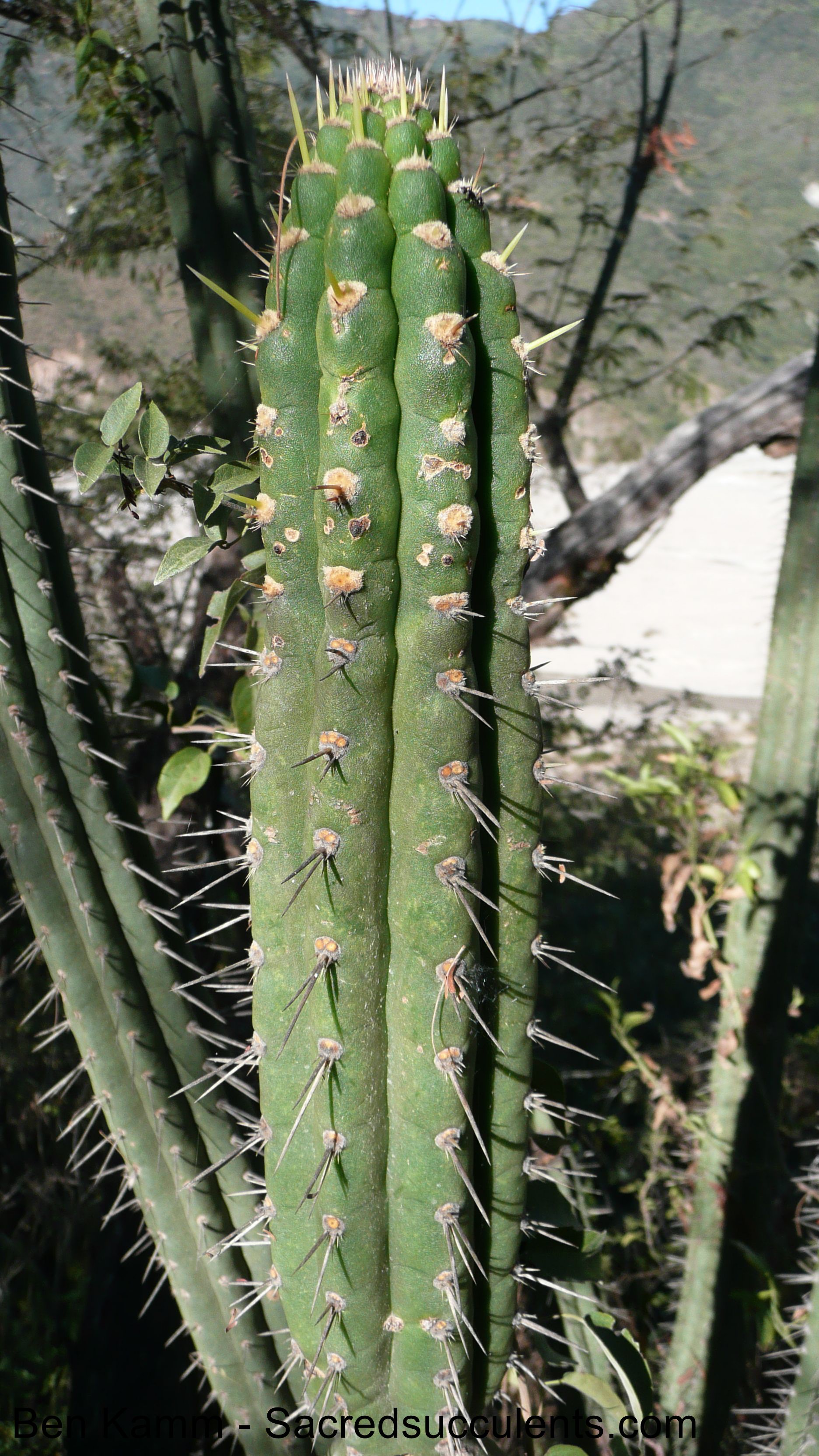
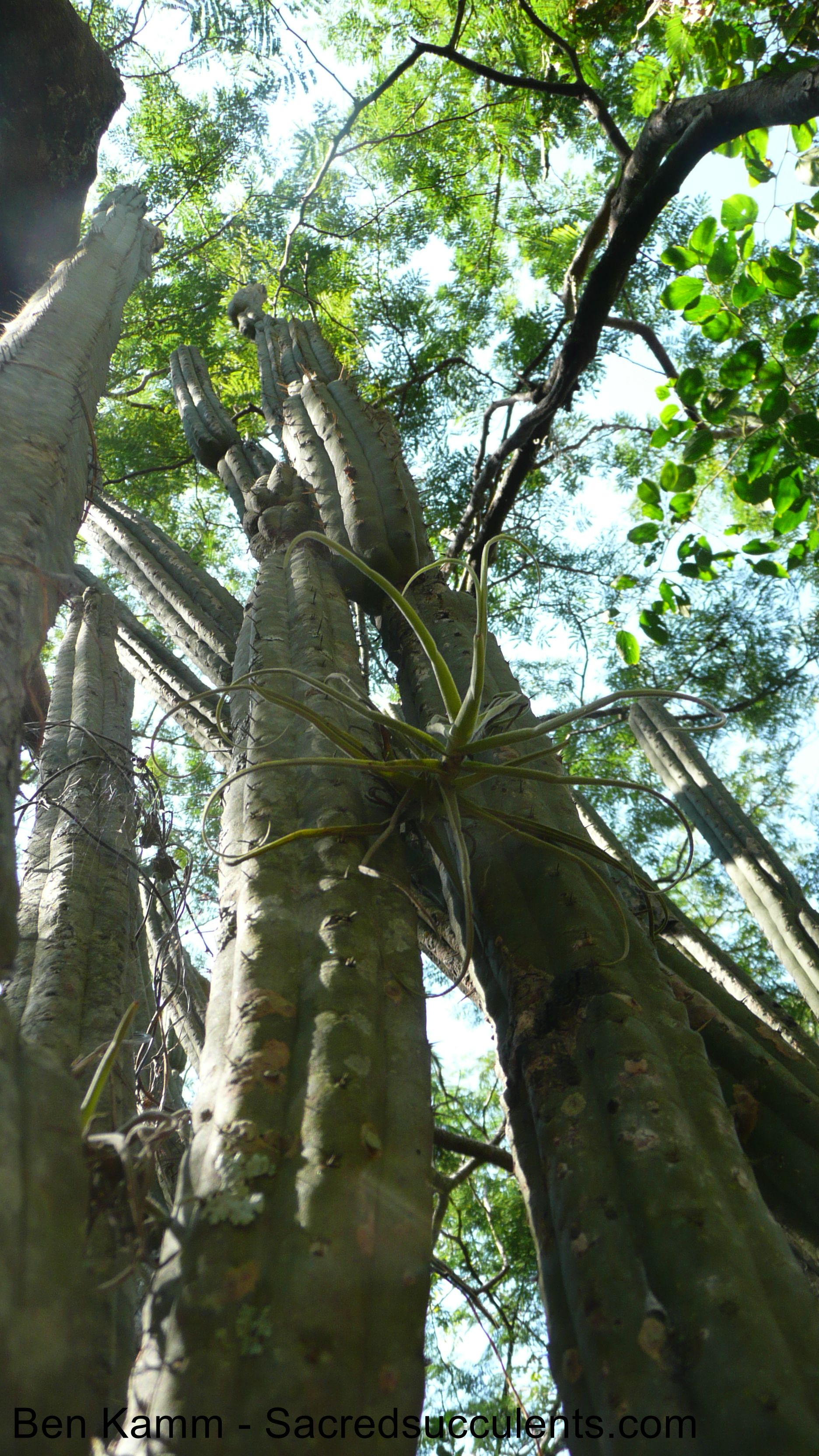
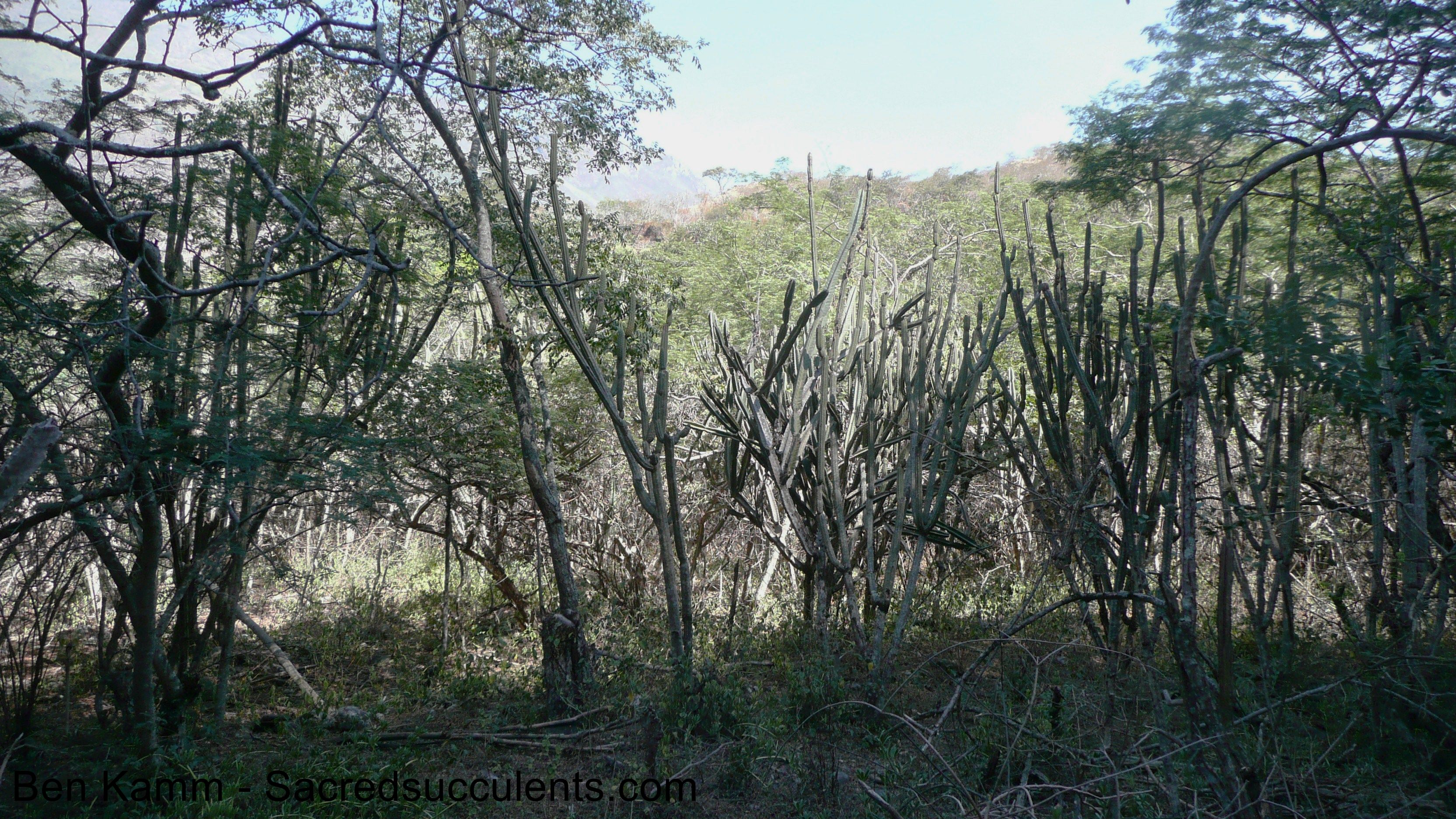
BK08521.10 Corryocactus erectus
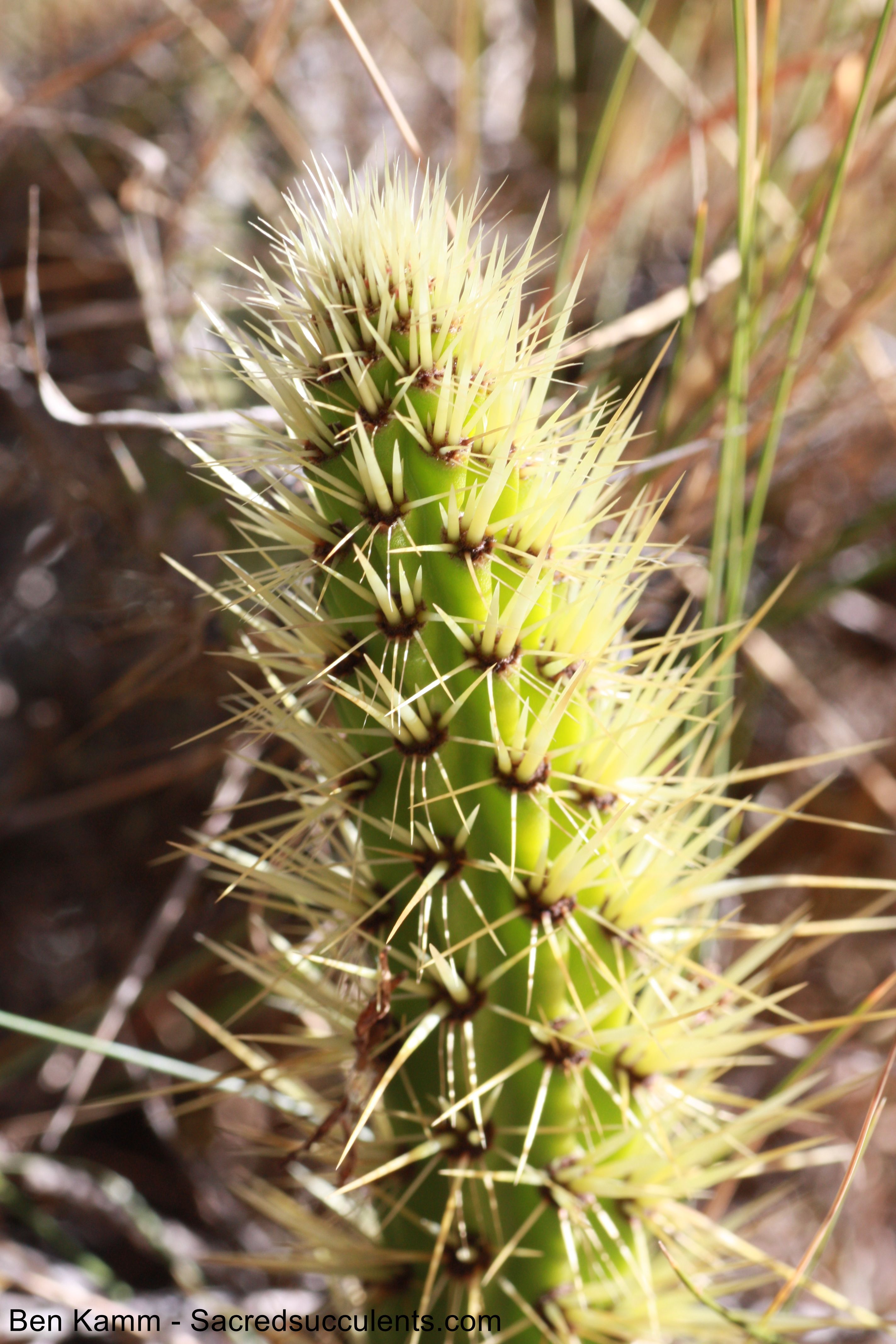
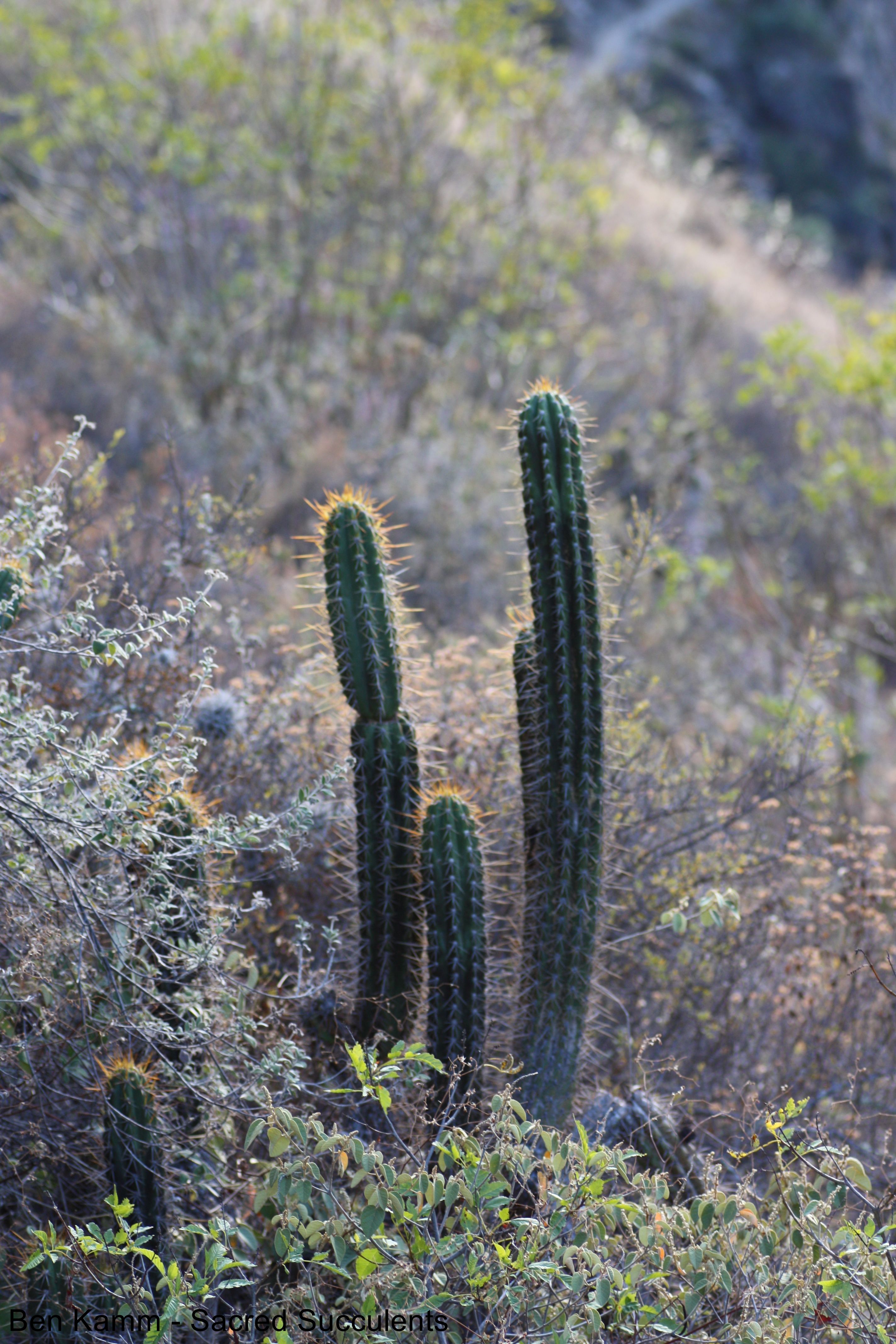
Echinopsis bridgesii, Huachjilla, Bolivia

BK08520.4 Austrocylindropuntia floccosa & BK08520.1 Festuca Taucca, Peru
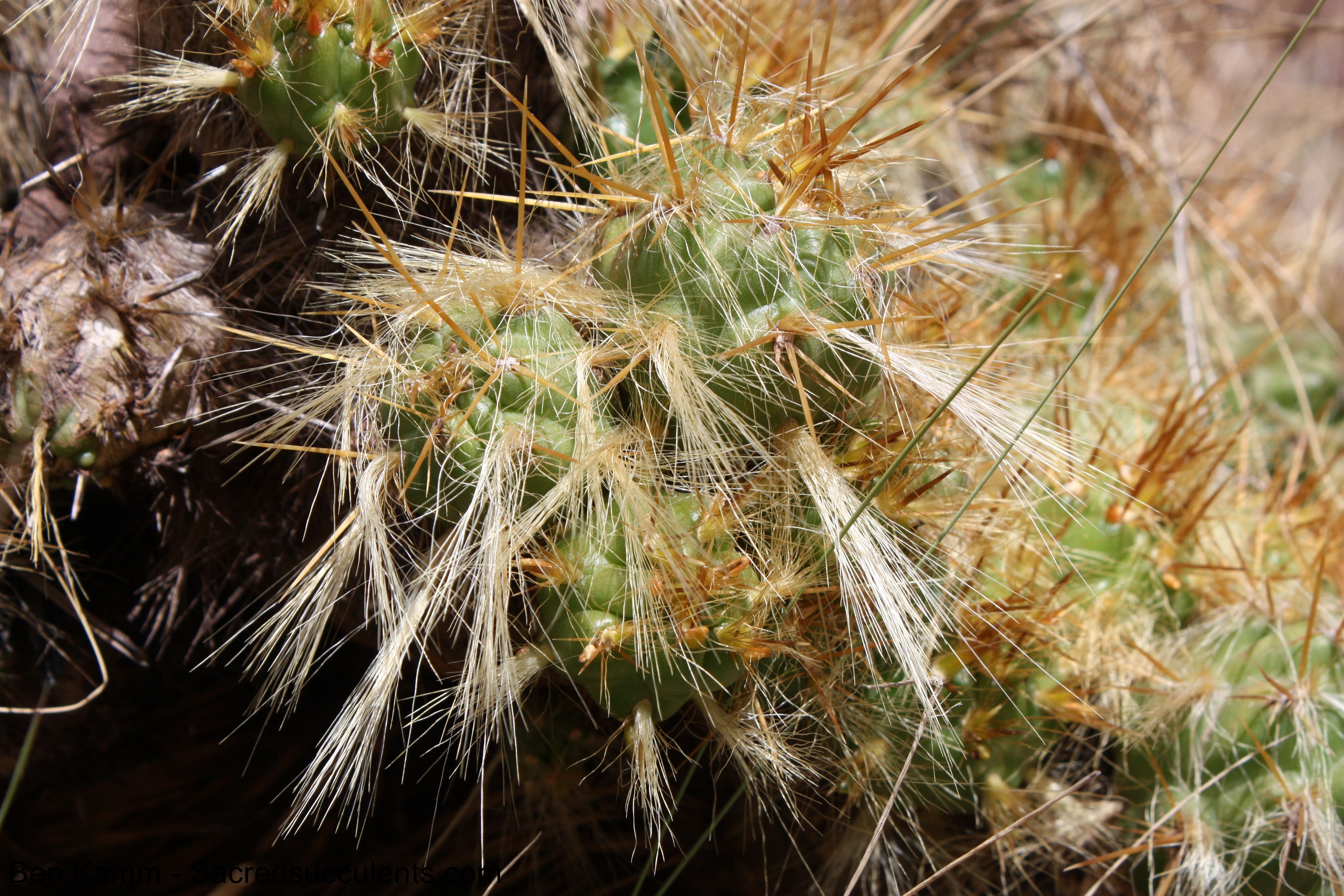
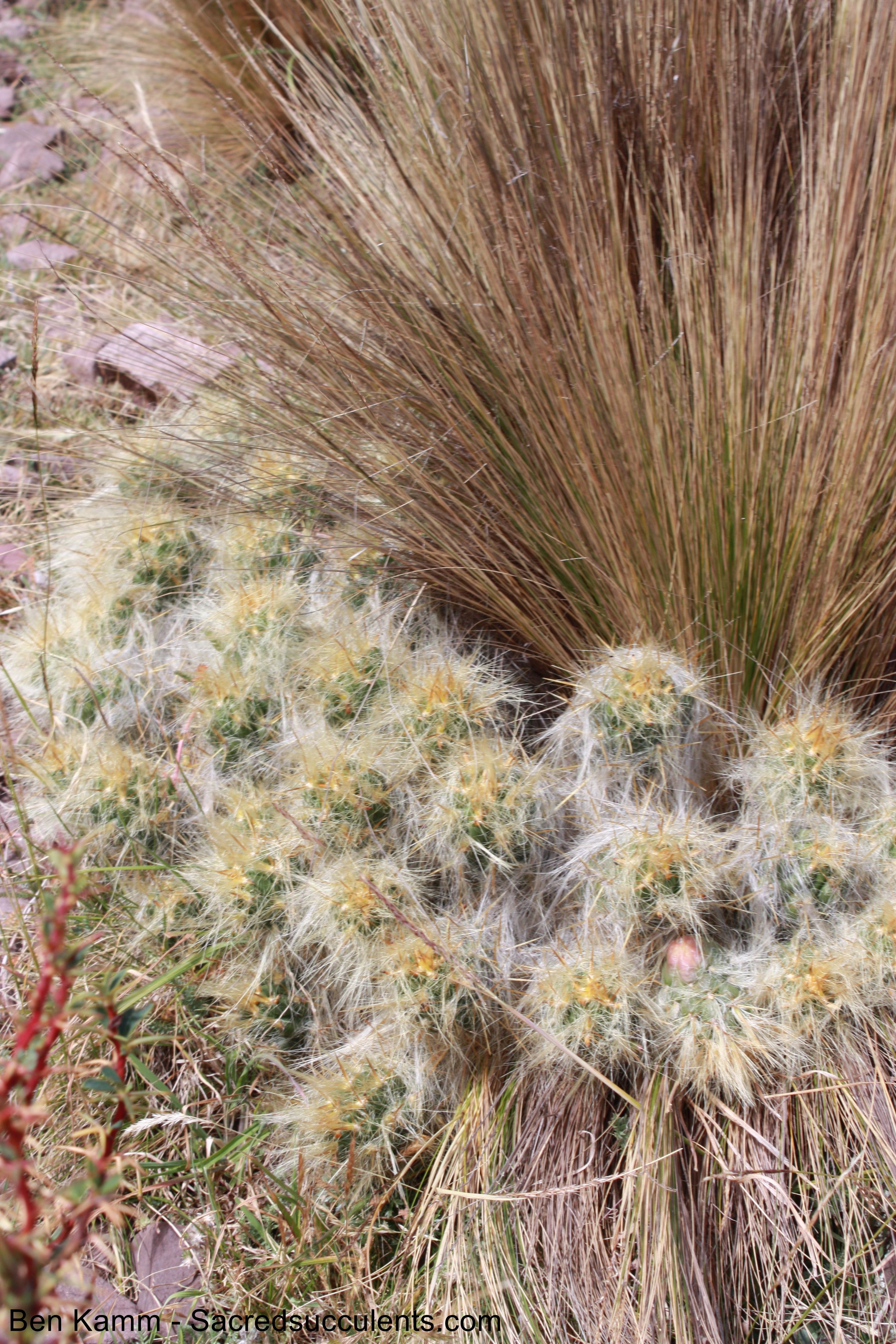
Other Cacti from the Sacred Succulents Field Trips
Abonnieren
Posts (Atom)