Posts mit dem Label Fruit werden angezeigt. Alle Posts anzeigen

Dienstag, 12. Januar 2016

Trichocereus glaucus - Echinopsis glauca

Trichocereus glaucus – Echinopsis glauca

Trichocereus glaucus, also known as Echinopsis glauca, is a columnar cactus from Peru. 


Trichocereus glaucus is a very interesting plant that is probably synonymous with some creeping varieties of Trichocereus peruvianus.

Origin: Peru ( Southern Peru ), Arequipa (Rio Tambo), Chile

Description: Trichocereus glaucus can get between 1,5-2 meters tall and is a creeping species that you oftenly find hanging down slopes and cliffs. This trait is very distinct in the variety Trichocereus glaucus var. pendens. The color of the skin is very glaucous and small specimens look absolutely like what was originally called Trichocereus macrogonus. However, macrogonus grows upwards while this species tends to bend over with age. New growth is very glaucous and gets even more glaucous later on.

Areoles: The areoles are dark brown to gray and are around 2,5 centimeters apart of each other. Similar to other San Pedro types, the plant has a diameter of up to 10 centimeters and the areoles are gray felted. The spines look a bit like the ones on Trichocereus cuzcoensis and are gray or brown. Trichocereus glaucus has 6-9 ribs, 3-6 middle spines and 8-11 radial spines. The middle spines are 5-10 centimeters and the radial spines 1-2 centimeters long.  New spine growth is black to brown and turn gray with age.

Flowers: White, just like almost every other San Pedro cactus. The diameter is very variable and usually is between 15-22 centimeters. Trichocereus glaucus is a night-flowering species with green, round fruits. But the hairy flowers usually stay open until the next morning.

Fruit: Round, green, and 3 centimeters thick.

Location of the type: Lower part of the Rio Tambo in the department Arequipa.

Trichocereus glaucus is very similar to Trichocereus chalaensis and grows in a similar way. The plant was discovered by botanist Friedrich Ritter and his collection number is FR270. I gave away some seed of this plant a couple years in a row and I am looking forward to post more pics of them in the near future.

Seed & live cutting sources: I gave away seeds of Trichocereus glaucus a couple of years in a row and apart from that, I only know a couple more seed sources. Sacred Succulents has them every now and then & Köhres used to have some in stock too though I am not sure what type they will be. Trichocereus glaucus aka Echinopsis glauca is extremely rare and most plants on the market will probably come labeled as „Trichocereus peruvianus“ or „Trichocereus macrogonus“.

Cultivation: Trichocereus glaucus is a very resilient grower and likes to be watered well in summer. In winter, they should be kept as dry as possible at around 10° Celsius. Seed germinates very well and the plant is usually very tough. That´s also caused by its drought tolerance, which is very typical for Chilean plants. The plant will probably tolerate between -5° to -7° Celsius over very short time, but I would not stress it and this also depends on many other factors, like general health and dryness. I would recommend keeping at no lower than 10° Celsius in winter.

Varieties: Trichocereus glaucus var. pendens. This variety does only grow creeping down cliffs and small hills. This type only grows at one location in Chile and is extremely rare. This local population is in the south of Arica, Camarca in Chile. Backeberg suggested that this would be his Trichocereus Uyumpaensis, which is a creeping type of San Pedro too, but Friedrich Ritter vehemently disagreed with that.

Below: Trichocereus Glaucus – Fotos: Auxin


It forms shrubs with a size of 1 – 2 meters and often several meters in diameter, sprouting mainly from shoots that lay sideways on the ground. This plant rarely pups from the top or upper parts. The shoots are 5 – 8 inches thick, erect, later lying in the lower parts, the new shoot blue-green, later gray-green.

Ribs: 7-9, very broad, obtuse, 7.5 to 13 mm high, 15-25 mm wide, notched, with transverse furrows that do not reach down to the separating grooves of the ribs,

Areoles: grey felted, 1/2-3/4 inches in diameter, 1to 2 inches free removal, let down by the humps in the notches

Spines: In the new shoot black to brown, becoming gray, straight, rigid

Marginal spines: 7-10, directed laterally, the lower and lateral 8 to 15 mm long, coarse needle-shaped, somewhat flattened, the upper the upper stronger and not sharply separated from the Central spines.

Central spines: 3-6, very spread apart, subulate in the middle, but usually closer to the top edge and almost in the position of an edge of spine, below 1.5 mm thick

Flower: Not far from the apex, 13 to 19 centimeters long, fragrant, opening in the evening, the morning still open,

Ovary: Green with fleshy green, narrowly triangular, 2-5 mm long, pointed scales and large scales raised bases. The flowers are covered with brown/black hairs.

Partition against the nectar chamber 3-4 mm thick, tube-shaped, 13 to 23 mm long, to the stylus 1to 2 mm wide, brownish, almost openly, with nectar

Tubes: In addition funnel shaped, 40-65 mm long, the top 2 to 3 cm wide, pale green interior, exterior gray-green, with triangular points, 7.5 to 10 mm long, dark green scales and tufts of hair as on the ovary.

Stamens: white, greenish below, insertions missing on the top 2 to 3 centimeters of the tube to a ring on the hem, pouch pale brown, approximately at half height petals standing

Stylus: pale green, white or pale brownish above, 10 to 11 cm in length, with 14 to 18 mm fall on the 13-16 spread pale yellow stigma lobes, between the pouches or outstanding.


Deutsche Original Beschreibung:

Büsche von 1 meter bis 2 meter höhe und oft mehreren metern Durchmesser, sprossend hauptsächlich unten von liegenden Trieben, weniger oben sprossend. Triebe 5 bis 8 Zentimeter dick, aufrecht, später in den unteren Teilen liegend, im Neutrieb blaugrün, später mehr graugrün.
Rippen: 7-9, sehr breit, stumpf, 7,5 bis 13 mm hoch, 15 bis 25 mm breit, gekerbt, mit Querfurchen, die nicht bis zu den Trennfurchen der Rippen hinabreichen,
Areolen: Graufilzig, 1/2-3/4 Zentimeter Durchmesser, 1bis 2 Zentimeter freie Entfernung, , von den Höckern in die Kerben hinabreichend
Stacheln: Im Neutrieb schwarz bis braun, , vergrauend, gerade, starr
Randstacheln: 7 bis 10, seitlich gerichtet, die unteren und seitlichen 8 bis 15 mm lang, derb nadelförmig, etwas abgeflacht, die oberen die Oberen stärker und nicht scharf von den Mittelstacheln gesondert.
Mittelstacheln: 3 bis 6, sehr gespreizt, pfriemlich in der Mitte, aber meist näher dem oberen Rand und fast in der Stellung eines Randstachels, unten 1,5 mm dick
Blüte: Nicht weit weg vom Scheitel, 13 bis 19 zentimeter lang, duftend, abends öffnend, morgens noch offen,  
Fruchtknoten: Grün mit fleischigen grünen, schmal dreieckigen, 2-5 mm langen spitzen Schuppen und großen erhabenen Schuppenbasen. Mit starken schwarzen oder braunschwarzen Wollhaaren.
Trennwand gegen die Nektarkammer 3-4 mm dick, diese tubisch, 13 bis 23 mm lang,um den Griffel 1bis 2 mm weit, bräunlich, fast offen, mit Nektar

Röhren: Darüber trichterig, 40 bis 65 mm lang, oben 2 bis 3 cm weit, innen blaß grünlich , außen graugrün, mit dreieckigen Spitzen, 7,5 bis 10 mm langen dunkelgrünen Schuppen und Haarbüscheln wie auf dem Fruchtknoten.
Staubfäden: weiß, unten grünlich, Insertionen fehlen auf den obersten 2 bis 3 Zentimetern der Röhre, bis auf einen Ring auf dem Saum, Beutel blassbraun, etwa bei halber Petalen Höhe stehend
Griffel: blassgrün, oben weiß oder blass bräunlich, 10 bis 11 cm lang, wovon 14 bis 18 mm auf die 13-16 gespreizten blaßgelben Narbenäste  fallen, zwischen den Beuteln oder sie überragend.


Very interesting Plant and very similar to what some would label Trichocereus Macrogonus.
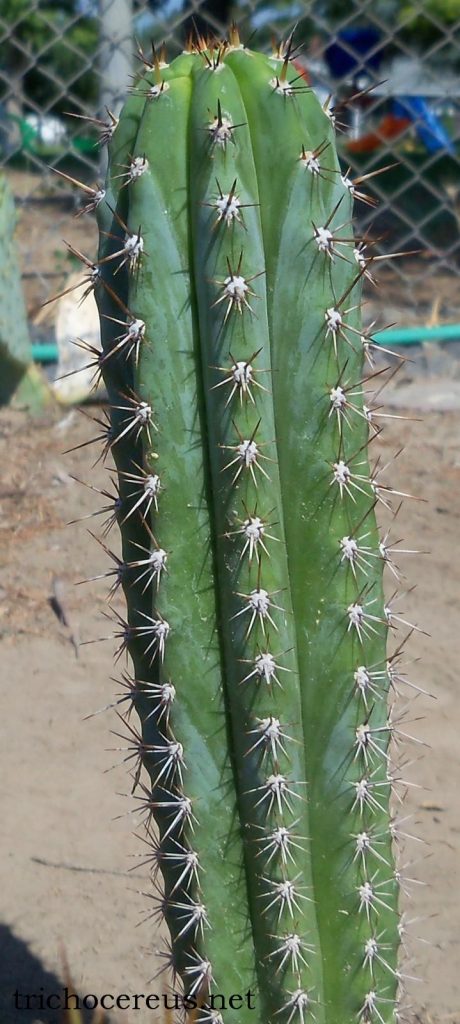


Trichocereus glaucus - Echinopsis glauca

Dienstag, 9. Juni 2015

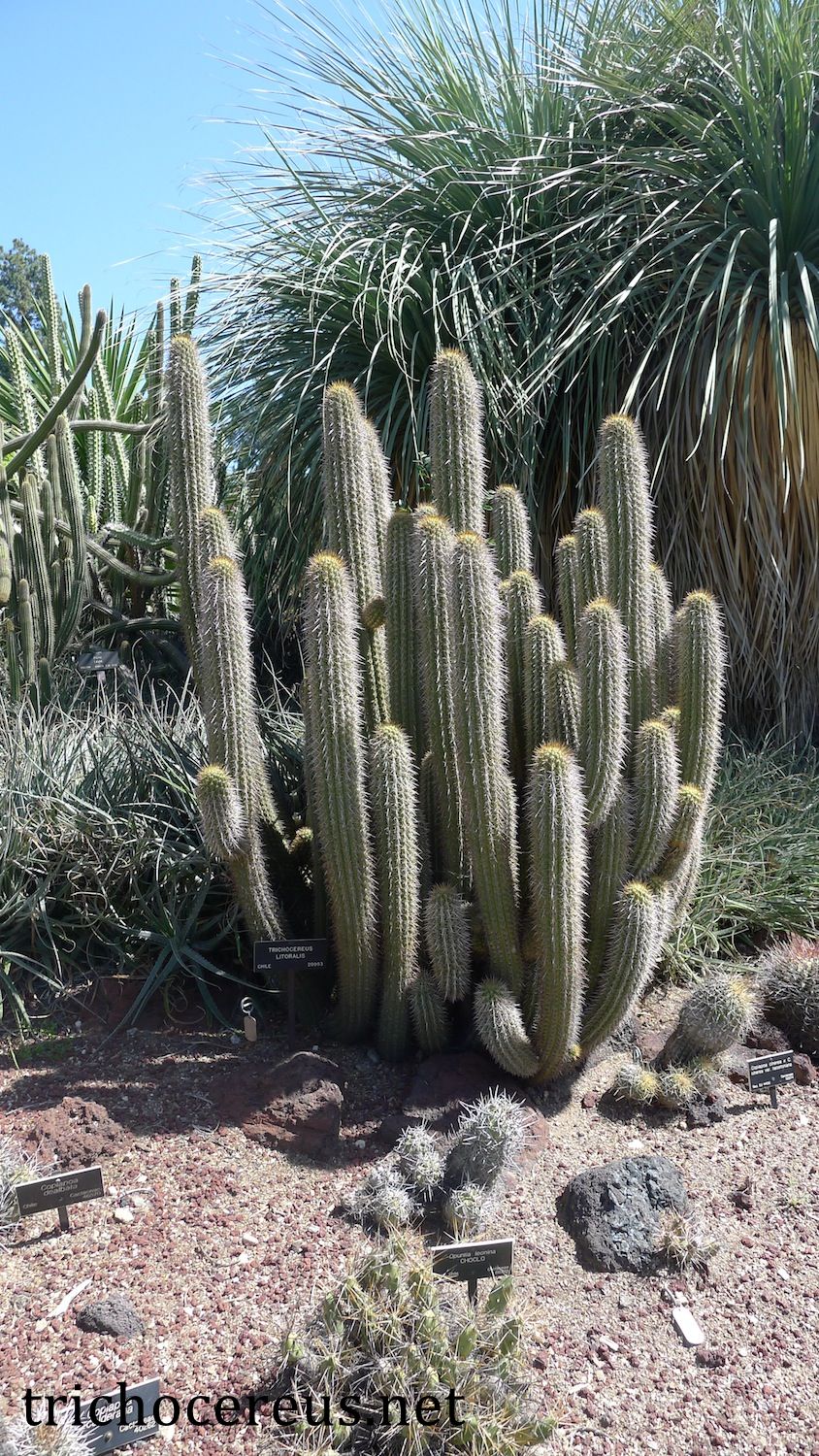
Trichocereus Litoralis - Echinopsis Chilensis var. Litoralis

Trichocereus Litoralis – Echinopsis Chilensis var. Litoralis


This beautiful Trichocereus is definitely closely related to Trichocereus Chilensis and the current taxonomy placed it as a variety to it. Trichocereus Litoralis always was a problematic species because there are so many intermediate forms between Trichocereus Chilensis and Trichocereus Litoralis that it is extremely difficult to draw the line somewhere. While some taxonomists included it in Trichocereus Chilensis (Chiloensis my butt), some others were strongly against it. Personally, I think that the whole group of plants surrounding Trichocereus Chilensis is very variable and we should simply respect that plants can be related to each other and at the same time, look a little bit different. The species is also very closely related to Trichocereus Skottsbergii, which I also regard as a variety of Trichocereus Chilensis.


Origin: Chile. Growing mostly around the coast. Coquimbo


Synonyms: Echinopsis Litoralis, Cereus Litoralis, Trichocereus Chilensis var. litoralis


The location of the typus is in Zapallar, north of Valparaiso near the coast of chile. The species is widely distributed all across the coast up to Los Vilos. The many radial spines are needle-like, while the middle spines are pretty strong and thick and up to 3 cm long. It has 9-28 radial spines and 3-6 middle spines.


Trichocereus Chilensis usually doesnt get bigger than 1-2 meters. It has a very dark green color and and a maximum diameter of 10-15 centimeters.


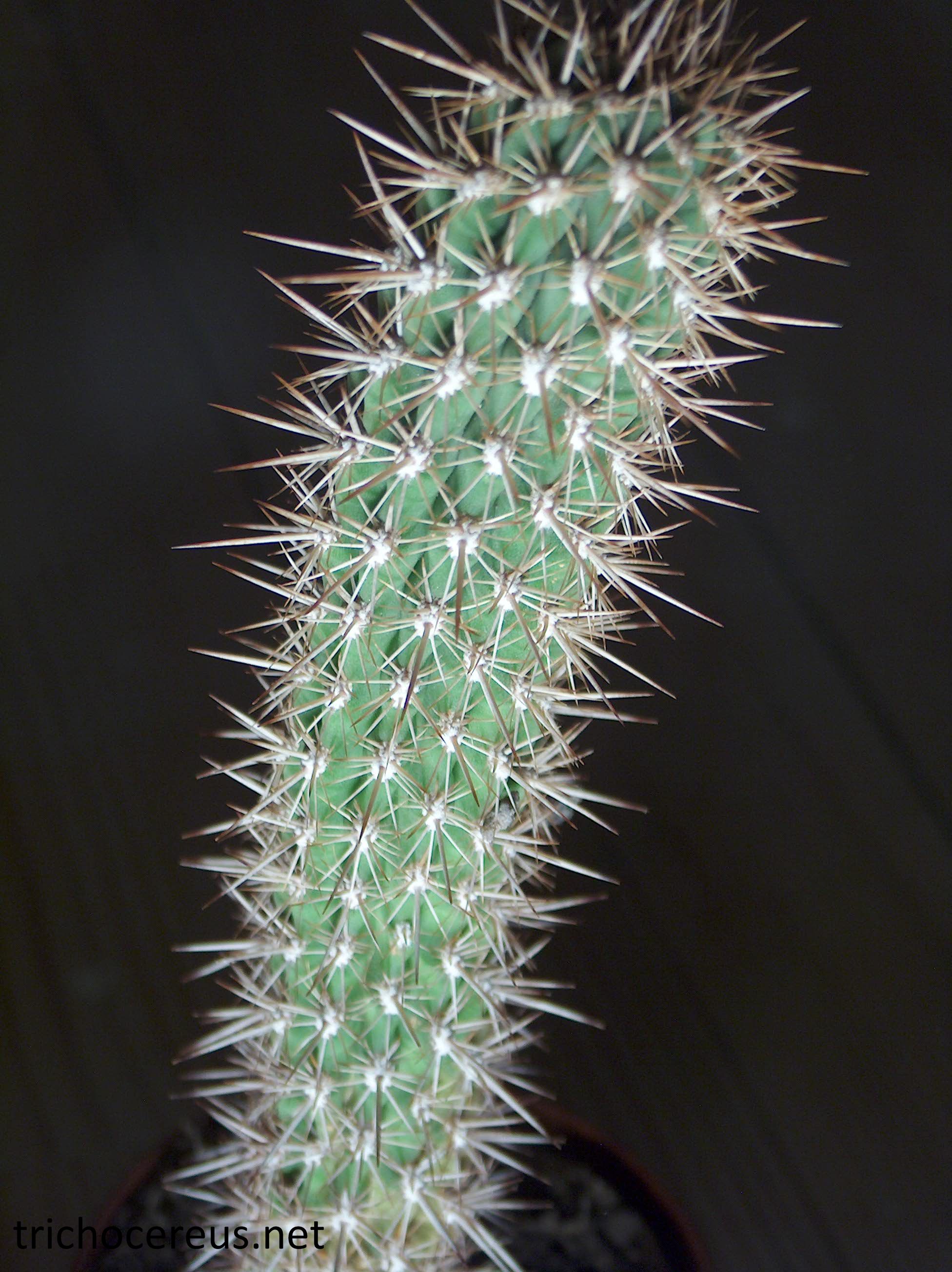
Ribs: 15-22, areoles approximately 1-2 centimeters apart of each other.


Flowers: Trichocereus Litoralis has a white flower, which is extremely similar to the one on Trichocereus Chilensis. The flowers are up to 15 centimeters long, which is on the lower end of the scale for Trichocerei.


Fruit: Round, dark green. Up to 5 Centimeters in diameter


Where to buy seeds and cuttings of Trichocereus Litoralis: That´s actually a good question. There are a couple of specialized seed stores who have them in stock. I bought some seeds from Uhlig Kakteen once (and never sown them out) and it´s also available from Succeed sometimes. Every now and then, a plant shows up on eBay but it actually rater rare. If you are looking for a cutting, it might be worth the try to make a request in our Trichocereus Facebook Group, though it´s actually one of the species that I´ve seen very rarely. Still, it might be worth the try because we´re marching towards the 1000 members mark and one of them might be able to help you!


P1020054


P1020066


Trichocereus Litoralis echinopsis


Trichocereus Litoralis echinopsis 58c


Trichocereus Litoralis Richard Hipp


Trichocereus Litoralis355


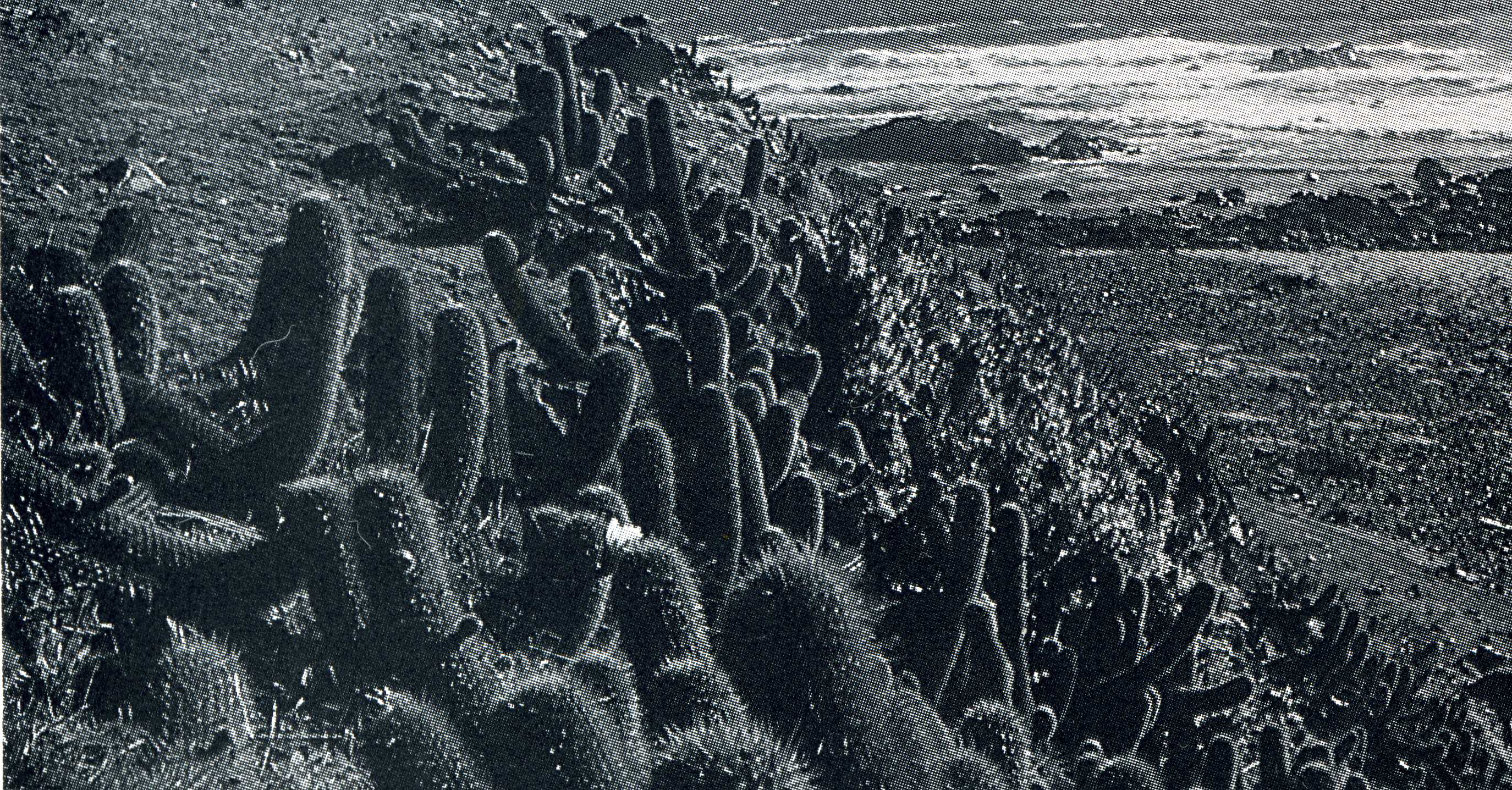
Have a look at this beautiful picture of Trichocereus Litoralis growing along the coast line in Chile.


Trichocereus Litoralis356


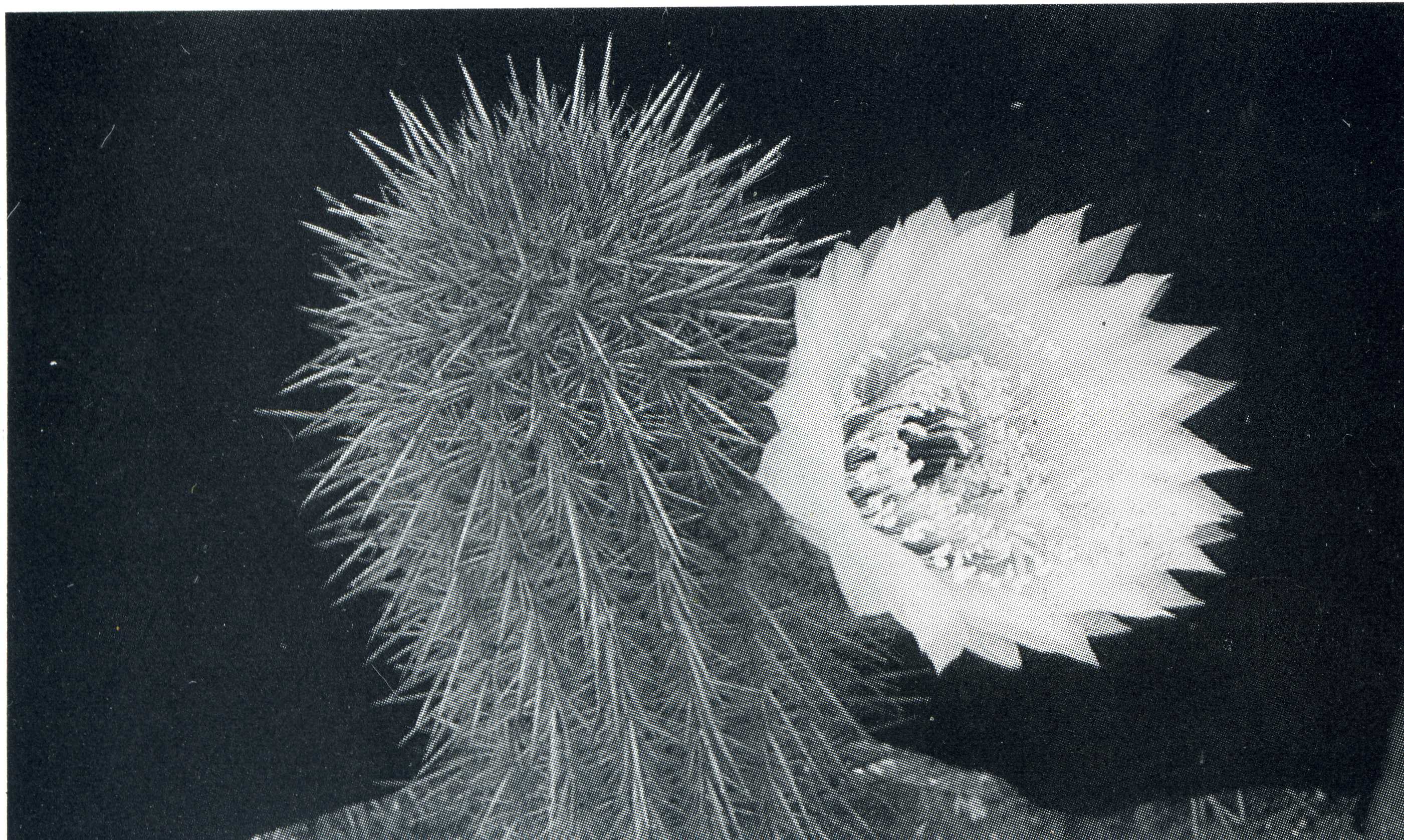
The flower of Trichocereus Litoralis is extremely beautiful and can be used in hybrid breeding. Unfortunately, those plants take very long until they reach adulthood.


Trichocereus Litoralis - Echinopsis Chilensis var. Litoralis

Montag, 27. April 2015

Trichocereus glaucus - Echinopsis glauca
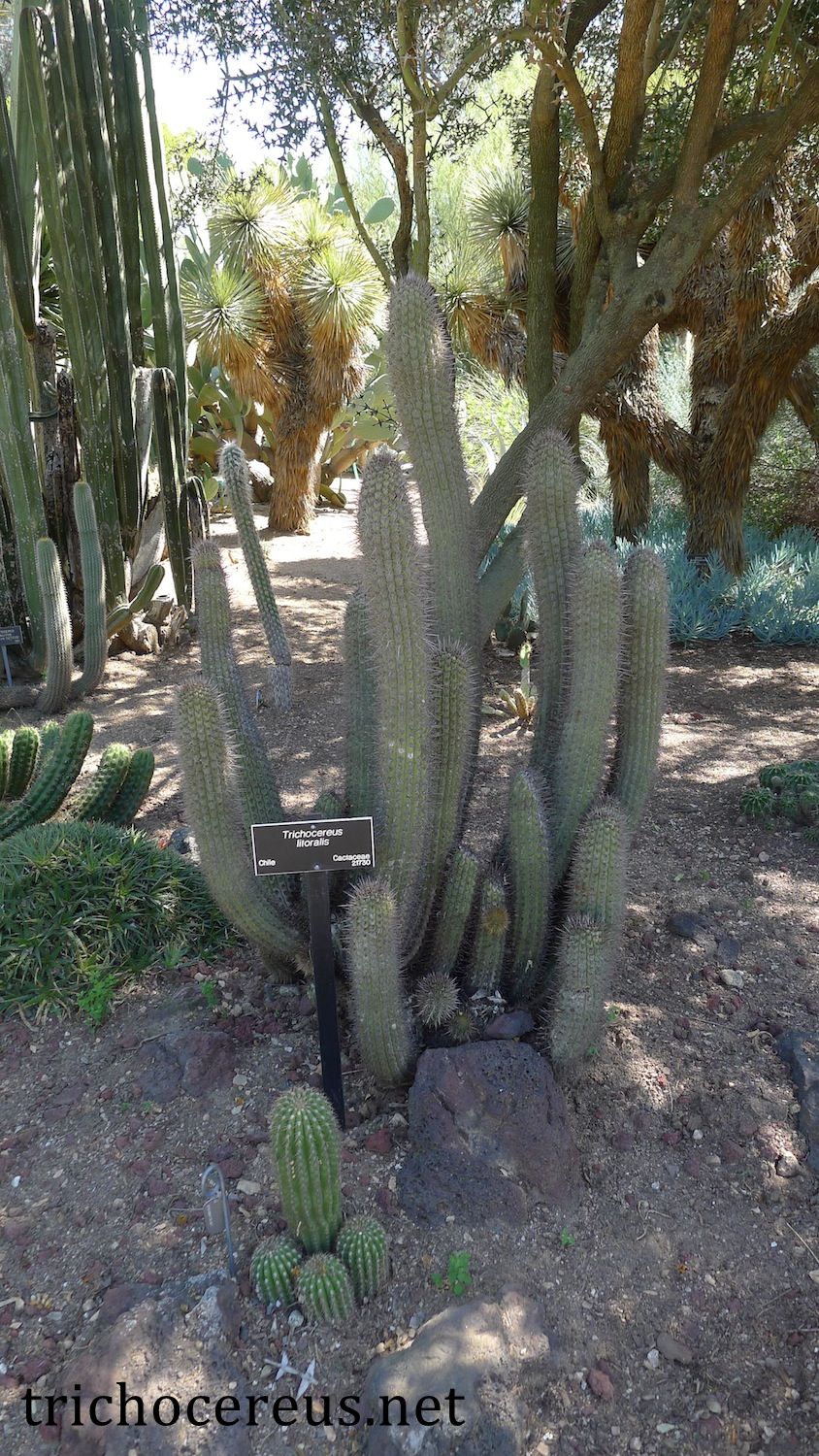
Trichocereus glaucus – Echinopsis glauca

Trichocereus glaucus is a very interesting plant that is probably synonymous with some creeping varieties of Trichocereus Peruvianus.

Origin: Peru (South Peru), Arequipa, Chile

Description: Trichocereus glaucus can get between 1,5-2 meters tall and is a creeping species that you oftenly find hanging down slopes and cliffs. This trait is very distinct in the variety or subspecies Trichocereus glaucus var. pendens. The color of the skin is very glaucous and small specimens look absolutely like what was originally called Trichocereus macrogonus. However, Macrogonus grows upwards while this species tends to bend over with age. New growth is very glaucous and gets even more glaucous later on.

Areoles: The areoles are dark brown to gray and are around 2,5 centimeters apart of each other. Similar to other San Pedro types, the plant has a diameter of up to 10 centimeters and the areoles are gray felted. The spines look a bit like the ones on Trichocereus cuzcoensis and are gray or brown. Trichocereus glaucus has 6-9 ribs, 3-6 middle spines and 8-11 radial spines. The middle spines are 5-10 centimeters and the radial spines 1-2 centimeters long.  New spine growth is black to brown and turn gray with age.

Flowers: White, just like almost every other Trichocereus from this group. Diameter is very variable and usually is between 15-22 centimeters. Trichocereus Glaucus is a night-flowering species with green, round Fruits. But the flowers usually stay open until the next morning. The flower is hairy.

Fruit: Round, green, and 3 centimeters thick.

Location of the type: Lower part of the Rio Tambo in the Department Arequipa.

Trichocereus glaucus is very similar to Trichocereus chalaensis and grows in a similar way. The plant was discovered by botanist Friedrich Ritter and his collection number is FR270. I gave away some seed of this plant a couple years in a row and I am looking forward to post more pics of them in the near future.

Seed & live cutting sources: I gave away seeds of Trichocereus glaucus a couple of years in a row and apart from that, I only know a couple more seed sources. Sacred Succulents has them every now and then & Köhres used to have some in stock too though I am not sure what type they will be. Trichocereus Glaucus aka Echinopsis Glauca is extremely rare and most plants on the market will probably come labeled as “Trichocereus Peruvianus” or “Trichocereus Macrogonus”.

Cultivation: Trichocereus glaucus is a very resilient grower and likes to be watered well in summer. In winter, they should be kept as dry as possible at around 10° celsius. Seed germinates very well and the plant is usually very tough. That´s also caused by its drought tolerance, which is very typical for Chilean plants. The plant will probably tolerate between -5° to -7° celsius over very short time, but I would not stress it and this also depends on many other factors, like general health and dryness. I would recommend to keep at no lower than 10° celsius in winter.

Varieties: Trichocereus glaucus var. pendens. This variety does only grow creeping down cliffs and small hills. This type only grows at one location in Chile and is extremely rare. This local population is in the south of Arica, Camarca in Chile. Backeberg suggested that this would be his Trichocereus Uyumpaensis, which is a creeping type of San Pedro too, but Friedrich Ritter vehemently disagreed with that.


English Description of Trichocereus Glaucus FR:

Bushes from 1 meter to 2 meters in height and often several meters in diameter, sprouting mainly from shoots laying on the ground. Rarely pupping at the Top. Shoots 5-8 inches thick, erect, later lying in the lower parts, the new shoot blue-green, later gray-green.
Ribs: 7-9, very broad, obtuse, 7.5 to 13 mm high, 15-25 mm wide, notched, with transverse furrows that do not reach down to the separating grooves of the ribs,
Areoles: grey felted, 1/2-3/4 inches in diameter, 1to 2 inches free removal, let down by the humps in the notches
Spines: In the new shoot black to brown, becoming gray, straight, rigid
Marginal spines: 7-10, directed laterally, the lower and lateral 8 to 15 mm long, coarse needle-shaped, somewhat flattened, the upper the upper stronger and not sharply separated from the Central spines.
Central spines: 3-6, very spread apart, subulate in the middle, but usually closer to the top edge and almost in the position of an edge of spine, below 1.5 mm thick
Flower: Not far from the apex, 13 to 19 centimeters long, fragrant, opening in the evening, the morning still open,
Ovary: Green with fleshy green, narrowly triangular, 2-5 mm long, pointed scales and large scales raised bases. With strong black or brownblack wool hair.
Partition against the nectar chamber 3-4 mm thick, tube-shaped, 13 to 23 mm long, to the stylus 1to 2 mm wide, brownish, almost openly, with nectar


Tubes: In addition funnel shaped, 40-65 mm long, the top 2 to 3 cm wide, pale green interior, exterior gray-green, with triangular points, 7.5 to 10 mm long, dark green scales and tufts of hair as on the ovary.
Stamens: white, greenish below, insertions missing on the top 2 to 3 centimeters of the tube to a ring on the hem, pouch pale brown, approximately at half height petals standing
Stylus: pale green, white or pale brownish above, 10 to 11 cm in length, with 14 to 18 mm fall on the 13-16 spread pale yellow stigma lobes, between the pouches or outstanding.


Deutsche Original Beschreibung:

Büsche von 1 meter bis 2 meter höhe und oft mehreren metern Durchmesser, sprossend hauptsächlich unten von liegenden Trieben, weniger oben sprossend. Triebe 5 bis 8 Zentimeter dick, aufrecht, später in den unteren Teilen liegend, im Neutrieb blaugrün, später mehr graugrün.
Rippen: 7-9, sehr breit, stumpf, 7,5 bis 13 mm hoch, 15 bis 25 mm breit, gekerbt, mit Querfurchen, die nicht bis zu den Trennfurchen der Rippen hinabreichen,
Areolen: Graufilzig, 1/2-3/4 Zentimeter Durchmesser, 1bis 2 Zentimeter freie Entfernung, , von den Höckern in die Kerben hinabreichend
Stacheln: Im Neutrieb schwarz bis braun, , vergrauend, gerade, starr
Randstacheln: 7 bis 10, seitlich gerichtet, die unteren und seitlichen 8 bis 15 mm lang, derb nadelförmig, etwas abgeflacht, die oberen die Oberen stärker und nicht scharf von den Mittelstacheln gesondert.
Mittelstacheln: 3 bis 6, sehr gespreizt, pfriemlich in der Mitte, aber meist näher dem oberen Rand und fast in der Stellung eines Randstachels, unten 1,5 mm dick
Blüte: Nicht weit weg vom Scheitel, 13 bis 19 zentimeter lang, duftend, abends öffnend, morgens noch offen,  
Fruchtknoten: Grün mit fleischigen grünen, schmal dreieckigen, 2-5 mm langen spitzen Schuppen und großen erhabenen Schuppenbasen. Mit starken schwarzen oder braunschwarzen Wollhaaren.
Trennwand gegen die Nektarkammer 3-4 mm dick, diese tubisch, 13 bis 23 mm lang,um den Griffel 1bis 2 mm weit, bräunlich, fast offen, mit Nektar

Röhren: Darüber trichterig, 40 bis 65 mm lang, oben 2 bis 3 cm weit, innen blaß grünlich , außen graugrün, mit dreieckigen Spitzen, 7,5 bis 10 mm langen dunkelgrünen Schuppen und Haarbüscheln wie auf dem Fruchtknoten.
Staubfäden: weiß, unten grünlich, Insertionen fehlen auf den obersten 2 bis 3 Zentimetern der Röhre, bis auf einen Ring auf dem Saum, Beutel blassbraun, etwa bei halber Petalen Höhe stehend
Griffel: blassgrün, oben weiß oder blass bräunlich, 10 bis 11 cm lang, wovon 14 bis 18 mm auf die 13-16 gespreizten blaßgelben Narbenäste  fallen, zwischen den Beuteln oder sie überragend.

 And this is what I wrote about the seeds/plants that I gave away:

It is uncertain whether or not this Plant is what Friedrich Ritter described as Trichocereus Glaucus, but it´s very possible since the Plants match the Description. The Pictures were provided by the Member Auxin!

The pictures seem to show more than one form because there are several with short central spines and others with a little bit longer central spines. The central spines on the long spine type are 25-35 mm while the central spines on the short spine type are ~15 mm.

All are currently 20-30 cm tall with stems 6-7 cm in diameter, which would fall within Friedrich Ritters description with 5-8 cm stems.

They also have 1-3 central spines and about 8 radials. Most of them have very pronounced V notches and 6 ribs, but there also is one with 8!

Very interesting Plant and very similar to what some would label Trichocereus Macrogonus.


The full version of this article, including lots of new stuff and photos can be found here:
https://trichocereus.net/trichocereus-glaucus-echinopsis-glauca


Trichocereus scopulicola

Trichocereus scopulicola

Synonyms: Echinopsis scopulicola,, Trichocereus cv. Super Pedro, Trichocereus cordobensis, Trichocereus crassicostatus, Echinopsis crassicostatus

This is an older version of an article that´s been updated numerous times meanwhile. Read the most recent version of this article including photos:


Origin: Trichocereus scopulicola was discovered by Friedrich Ritter during one of his expeditions to Bolivia in 1959. The location of the type is Tarija, Bolivia. Ritter gave Tapecua as the typus location. Ritter assigned the collection number FR991 and sold seed of his discovery through his legendary Winter Seed lists. Because of that, he helped spreading the plant all over the world, despite the fact that Trichocereus Scopulicola is really rare in nature. There are very few collections of this plant in nature and I am always interested in obtaining seed from new Scopulicola types. The plant grows in Tarija in the province O Connor. And no, this has nothing to do with Sarah Connor from the movie TERMINATOR. Trichocereus Scopulicola grows in the cactus forests around the Department Tarija at around 1000-1500 meters.

Description: Trichocereus scopulicola grows columnar like a tree and pups from the base. But it´s actually rare for this plant to produce numerous shoots and most plants don´t have any side shoots. Trichocereus Scopulicola can get up to 4 meters tall though most specimens are smaller. The columns are between 5-10 centimeters in diameter and have a nice, dark green epidermis.

Ribs: Trichocereus scopulicola can have 4-6 ribs though most specimens have five. The areoles are furrowed. The areoles are sunk in and have very little white fluff/wool on top of them. The areoles are rounded or oval and are between 1-4 mm long and 1-2 mm broad, which is very small for a Trichocereus. The distance between the areoles is between 15 and 30 mm. Areoles that form flowers have 4-5 mm diameter. Large, adult plants oftenly lack the spines, while very young seedlings look remarkable similar to a Trichocereus Pachanoi and can only be differentiated by the weird rib shape of Trichocereus Scopulicola. Adult plants have (if they have any) 3-6 spines that are very small and up to 1.5 mm long. Seedlings have 6-7 ribs, areoles up to 2 mm in diameter and 3-5 mm away from each other, 7-14 needle-like spines (2-3mm long), of which two are central spines.

Flower: Trichocereus Scopulicola flowers from the apex but there are plants where the flowers come out from lower points on the plant. The flower is white and between 15-22 centimeters long. Trichocereus Scopulicola is a night-flowering species but the flowers stay open until the late morning.

Fruit: The fruit is green and can get up to 6 centimeters thick.

Friedrich Ritter considered this species to be very close to Trichocereus Bridgesii, which is one of the plants that grows in the neighborhood of Trichocereus scopulicola. Because of that, it´s very likely that one is a descendant of the other. In addition, Ritter wrote that Trichocereus Riomizquensis is close to it but not as close as Trichocereus crassicostatus. I guess it´s very likely that Trichocereus Crassicostatus is actually synonymous with Trichocereus scopulicola. But so far, I´ve not been able to track a specimen down. If you grow one, let me know.

Cultivation: Trichocereus scopulicola is similarly tough as Trichocereus Bridgesii. Simply because they are used to the same conditions. Bolivian Trichocereus are very drought resistant but can deal with strong rainfalls pretty flawlessly. However, they should not be watered when it´s cold and they prefer a purely mineral soil mix because that dries up a lot faster. During the hot summer season, they can be watered every few days when the soil has dried up again. Don´t water them when it´s cold or rainy because that can cause rot.

Winter protection and Minimum Temperature: Scops are relatively hardy and can short night frosts of down to -5° celsius and maybe even lower than that, but I would not test it out because low temps weaken the plants. The minimum average temperature should be around 10° celsius and they should be completely dry over winter if you take the plants inside. If the get wet over a prolonged period of time, it can cause root rot or other infections.

Seed & live cuttings: I get seeds every now and then and I know a couple of growers who actively breed with Scops. There sometimes are some available at SAB and the SAB forum. Besides, Misplant makes a couple Scop Crosses a year. This year, he made a pretty cool cross between a Scop and a colored Grandiflorus, which I can wholeheartedly recommend you because it might produce Scop seedlings with a colored flower. In addition, Köhres has some very fresh seeds this year. And I heard they have a great germination rate!

Trichocereus Scopulicola can be used as a grafting stock. It is a great stock that accepts graftings very easily.


This is Friedrich Ritters German, original description of his own discovery: 


TRICHOCEREUS SCOPULICOLA RITT., “Cactus” April 1966

Körper: Aufrechte Säulen, nicht oder nur gering vom Grund sprossend,

3-4 m hoch, 8-10 cm dick, dunkelgrün. Ri. 4-6, meist 5, fast höckerlos,

breit und stumpf, die etwas gewölbten Planken ca 3-4 cm breit, Trennfurchen
gerade. Ar. etwas eingesenkt, gering weißfilzig, rundlich oder
oval, 1-3 mm lang, 1 mm breit, 15 bis fast 30 mm freie Entfernung;

Blühareolen ca 4-5 mm Dm., rund, St. an großen Pflanzen fehlend oder

3-5, pfriemlich und nur ca 1 mm lang; Sämlinge haben 6-7 Ri., Ar. von

1-1,5 mm Dm. mit 3-5 mm freier Entfernung und 7-13 nadelförmige, weißliche

oder braune, 2-5 mm lange St., davon 1-2 zentral. Bl. meist nahe

dem Scheitel, zuweilen auch tiefer, 16-20 cm lang, duftend, nachts

öffnend, in den kühleren Morgenstunden noch offen. Frkn. grün, groß

gefeldert, Felder ca 1 cm Dm., oben auslaufend in grünliche dreieckige

Schuppen von 1-2 mm Länge, mit weißen, oben dazu auch schwarzen Wollhaaren.

N.-K. bräunlichweiß, tubisch, sehr eng um den Gr., ca 2 cm
lang, mit Nektar. Rö. darüber trichterig, 65-85 mm lang, innen und

außen hellgrün, die grünen Schuppen nach oben bis ca 25 mm Länge und

15 mm Breite an Größe zunehmend; Obergänge in die Krbl. rotbraun, Haare

sehr krauswollig, schwarz mit weiß. Stbf. unten blaßgrün, nach oben

gelblich, 7-9 cm lang, die des Saumes 4-5 cm lang; Insertionslücke

ca 4 cm; Beutel bräunlich. Krbl. 6-8 cm lang, 2,5-4 cm breit, mit

schmaler Basis, Enden gerundet mit oder ohne Spitzchen, nahe oben am

breitesten, weiß, die äußeren schmaleren weiß mit grünem Mittelstreif.
Gr. blaßgrün, 14-18 cm lang, wovon ca 2 cm auf die 12 hellgelben ausgebreiteten
Narbenlappen kommen. Fr. grün, 4-5 cm lang und dick, gefeldert

und bedeckt wie Frkn., wohlschmeckend, Sa. 1,8 mm lang, 1,3 mm
breit, 0,8 mm dick, fast nierenförmig, Testa glänzend schwarz, etwas

gehöckert, Hilum oval, bräunlich, sehr schief.

Die Art ist verwandt mit TRICHOCEREUS BRIDGESII, noch näher mit TR.

CRASSICOSTATUS. Heimat Felsenhänge und Blockhalden von Gebirgswäldern
des Depart. Tarija in etwa 1000 bis 1500 m Höhe. Typusort TAPECUA,
Prov. O’Connor, von mir entdeckt 1959, Diese Art ist eine vorzügliche
Pfropf unterläge. Nr. FR 991. Abb. 443.