Trichocereus Facebook Group Echinopsis Growers Worldwide
Hi guys, today I wanted to give you a preview from our Trichocereus Facebook group called Trichocereus & Echinopsis growers worldwide. It is one of the oldest Trichocereus groups on Facebook and was funded sometime around 2014.
Photo:...
Trichocereus Facebook Group Echinopsis Growers Worldwide

Posts mit dem Label Trichocereus werden angezeigt. Alle Posts anzeigen
Posts mit dem Label Trichocereus werden angezeigt. Alle Posts anzeigen
Sonntag, 2. Dezember 2018
Trichocereus Facebook Group Echinopsis Growers Worldwide Trichocereus Facebook Group Echinopsis Growers Worldwide Hi guys, today I wanted to give you a preview from our Trichocereus Facebook group called Trichocereus & Echinopsis growers worldwide. It is one of the oldest Trichocereus groups on Facebook and was funded sometime around 2014. Photo:... https://trichocereus.net/?p=7525

Mittwoch, 28. November 2018
Trichocereus werdermannianus / Echinopsis werdermanniana Trichocereus werdermannianus / Echinopsis werdermanniana Trichocereus werdermannianus, also known as Echinopsis werdermanniana, is a columnar Trichocereus species from Bolivia. It is a close relative of Trichocereus terscheckii and I consider it an intermediate species between the large Andean... https://trichocereus.net/?p=1911
Trichocereus werdermannianus / Echinopsis werdermanniana
Trichocereus werdermannianus, also known as Echinopsis werdermanniana, is a columnar Trichocereus species from Bolivia. It is a close relative of Trichocereus terscheckii and I consider it an intermediate species between the large Andean...
Trichocereus werdermannianus / Echinopsis werdermanniana
Donnerstag, 4. Oktober 2018
Trichocereus schoenii / Echinopsis schoenii Trichocereus schoenii / Echinopsis schoenii Trichocereus schoenii , also known as Echinopsis schoenii under current nomenclature, is a south Peruvian Trichocereus species that Backeberg described and named after E. Schön, who assisted him financially on his trips. Mr. Schön was... https://trichocereus.net/?p=5131
Trichocereus schoenii / Echinopsis schoenii
Trichocereus schoenii , also known as Echinopsis schoenii under current nomenclature, is a south Peruvian Trichocereus species that Backeberg described and named after E. Schön, who assisted him financially on his trips. Mr. Schön was...
Trichocereus schoenii / Echinopsis schoenii
Mittwoch, 28. Februar 2018
Less than 4 days left! All the previews from the new Trichocereus book! Less than 4 days left! All the previews from the new Trichocereus book! Hey guys, our new Indiegogo campaign is slowly coming to an end. Depending on the time zone you´re in the campaign will officially end in 3-4 days. We already reached our goal thanks to all the supporters that we got! If you´re still on the fence you should definitely check out this post with all the preview photos from the new book which I´ve posted in the last two months. It´s really just a small preview and there are many more in the new book! In this case we had so much amazing stuff to show that we couldnt show it all in the previews. You can find the link at https://igg.me/at/trichocereus https://trichocereus.net/?p=6348
Less than 4 days left! All the previews from the new Trichocereus book!
Hey guys, our new Indiegogo campaign is slowly coming to an end. Depending on the time zone you´re in the campaign will officially end in 3-4 days. We already reached our goal thanks to all the supporters that we...
Less than 4 days left! All the previews from the new Trichocereus book!
Dienstag, 8. August 2017
Trichocereus arboricola (Echinopsis arboricola)
Trichocereus arboricola (Echinopsis arboricola)
Current name: Echinopsis arboricola (Kimnach) Mottram
Origin: Bolivia, Argentina, Type locality: Tarija in Bolivia, 600-1000 meters altitude
Trichocereus arboricola is more of an Epiphyt instead of a normal Trichocereus and is often grown like a...
Trichocereus arboricola (Echinopsis arboricola)
Donnerstag, 11. Mai 2017
The new Echinopsis and Trichocereus Database Wiki
The new Echinopsis and Trichocereus Database Wiki
We started a new Echinopsis and Trichocereus Database. It´s a project that´s open for everyone.
Hey guys, I just wanted to let you know that I´ve been working on a new Trichocereus and Echinopsis database. The website can be found at...
The new Echinopsis and Trichocereus Database Wiki
Dienstag, 14. Februar 2017
Trichocereus sp. SAN MARCOS - Some more photos
Trichocereus sp. SAN MARCOS – Some more photos
Here are some photos showing the Trichocereus sp. SAN MARCOS, which belongs into the wider context of Trichocereus santaensis. These plants are also closely related to the plants known as Trichocereus huanucoensis and Chavin de Huantar. They...
Trichocereus sp. SAN MARCOS - Some more photos
New Trichocereus photos from Chavin de Huantar
New Trichocereus photos from Chavin de Huantar
Hey guys, wanted to share these new Trichocereus photos from Chavin de Huantar. Thanks to my friends from Chavin, Gracias por las fotos, mis amigos de Chavin. 😉
Some of the photos do not show plants from the genus Trichocereus, but most of them do....
New Trichocereus photos from Chavin de Huantar
Dienstag, 17. Januar 2017
TRICHOCEREUS VOLUME 1 books in stock! Taking orders now!
TRICHOCEREUS VOLUME 1 books in stock! Taking orders now!
The TRICHOCEREUS VOLUME 1 books are in! Taking orders now!
Hi guys, the books have finally arrived! I am glad to announce that the sale of my book THE SAN PEDRO GROUP has officially started and I am taking orders now. It will take a few weeks until all preordered books are shipped, but I am already w...
TRICHOCEREUS books in stock! Taking orders now!
Samstag, 29. Oktober 2016
BK10509.19 Trichocereus totorensis, Monte Puncu, Cochabamba, Bolivia 2010
BK10509.19 Trichocereus totorensis, Monte Puncu, Cochabamba, Bolivia 2010
Trichocereus totorensis is a columnar cactus from Bolivia. The plant is also known as Trichocereus herzogianus var. totorensis. or Helianthocereus herzogianus var. totorensis. This collection of the species was made during...
BK10509.19 Trichocereus totorensis, Monte Puncu, Cochabamba, Bolivia 2010
Freitag, 12. August 2016
Tom Juul´s Giant / TJG (Trichocereus pachanoi)
Tom Juul´s Giant / TJG (Trichocereus pachanoi)
The well known clone TOM JUUL´S GIANT / TJG goes back to the former butcher Tom Juul´s, who imported this plant into the United states.
Photo: Cactusaffinity.com
Tom Juul had a giant plant in his garden and after his death, cuttings of this plant wer...
Tom Juul´s Giant / TJG (Trichocereus pachanoi)
Dienstag, 7. Juni 2016
ICARO DNA (Trichocereus peruvianus)
ICARO DNA (Trichocereus peruvianus)
Hi Folks, time for another posting here on the website! It´s time to take a closer look at the ICARO DNA Trichocereus peruvianus strains, which were around for at least 10 years.
Their strain is an extremely blue and spiny Peruvianus strain that comes from M...
ICARO DNA (Trichocereus peruvianus)
Freitag, 22. April 2016
NL52509a Trichocereus, Potosi, Bolivia
NL52509a Trichocereus, Potosi, Bolivia
NL52509a Trichocereus is a cool and rare Trichocereus species from Potosi in Bolivia. Sacred Succulents Field Trip 2009! Copyright Neil Logan & Sacredsucculents.com!
As far as i know, this one was suspected to be Trichocereus validus. Personally, i think it is Trichocereus tacaquirensis but it´s hard to say just judging by those two pictures. Both plants are definitely similar and if you are interested in seeds of Trichocereus tacaquirensis, check out the new seeds I have in stock!
Trichocereus tacaquirensis Seeds – Buy/For sale
3,00 €
VAT free based on §19 UStG
Versandkosten plus Shipping Costs
Rechtsverbindlich Kaufen / Buy Now

The plants we grew from those seeds looked 100% like a plant from the Tr. taquimbalensis group and it´s a common thing that plants related to Trichocereus taquimbalensis are labeled as Trichocereus validus. That is because Trichocereus validus probably came from Bolivia and both are probably very similar at an older age. At a younger age, that is definitely not the case.
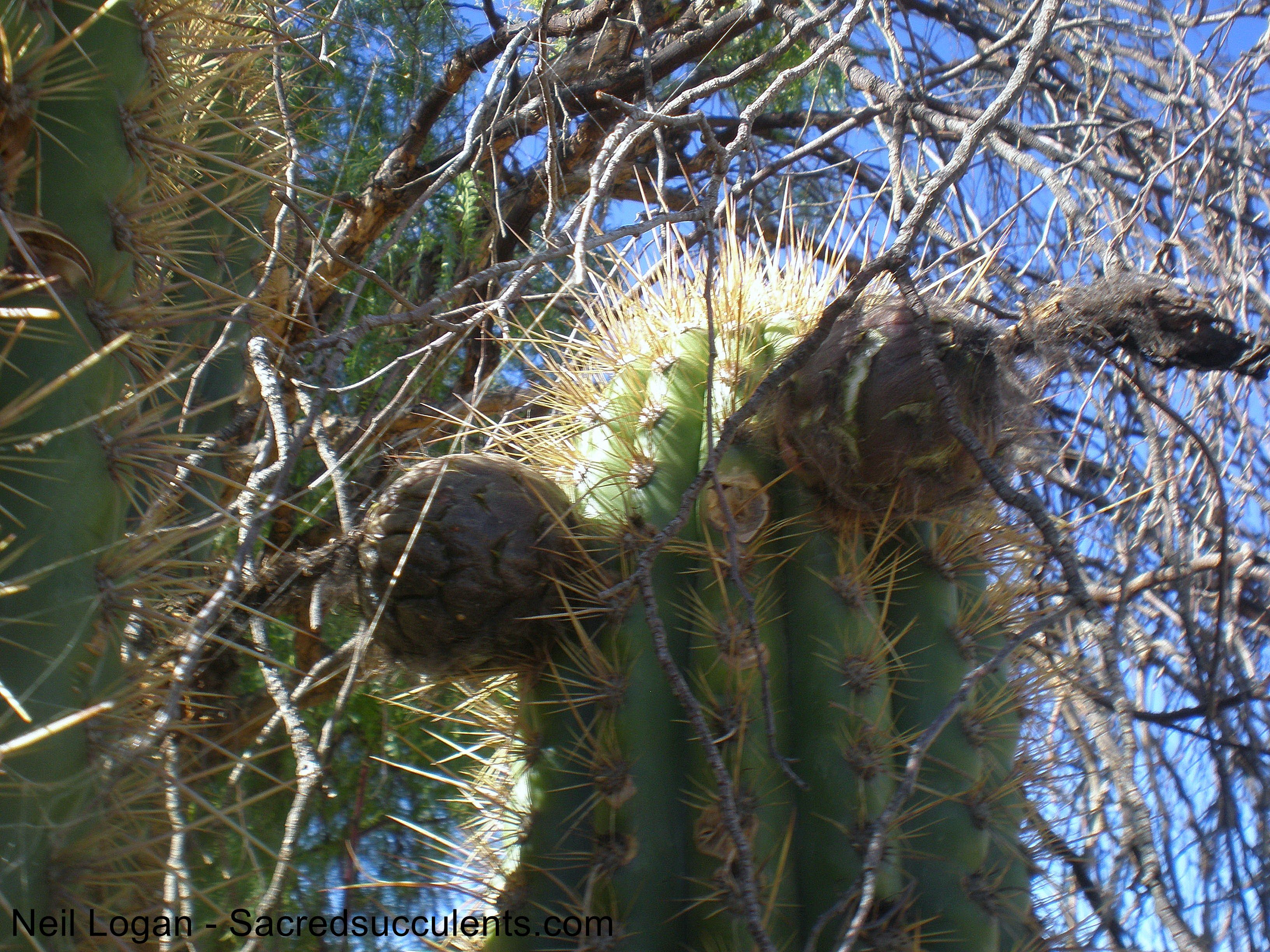
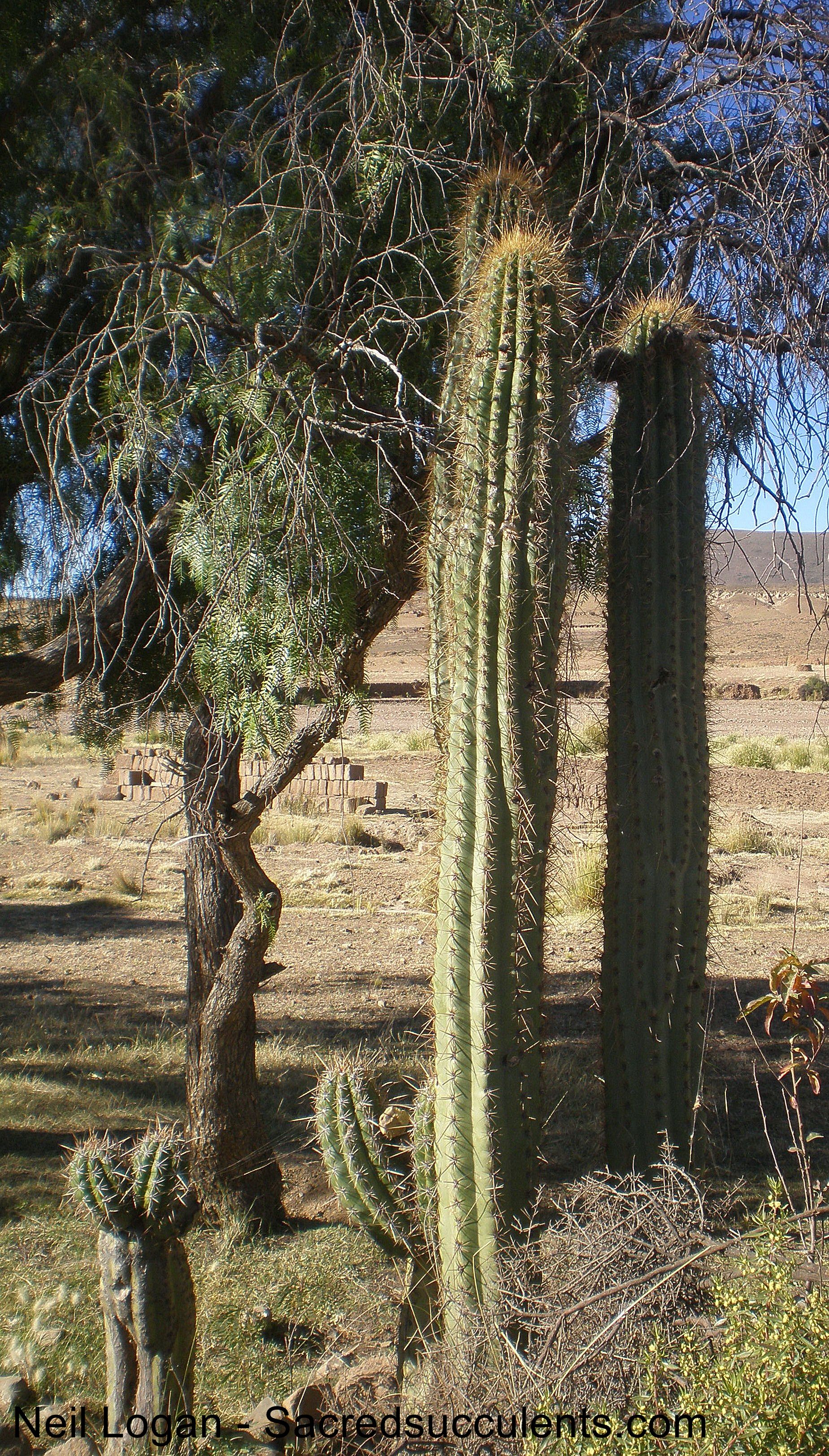
NL52509a Trichocereus, Potosi, Bolivia
Trichocereus Parque de las Leyendas. Peru
Trichocereus in Parque de las Leyendas. Peru
Trichocereus Parque de las Leyendas:
The Parque de las Leyendas is located in the San Miguel district of Lima and was founded as the first Zoo of Peru. Peru is one of the most biologically diverse countries in the world and the park is home to countless amazing plants and creatures, including some interesting Trichocereus species.
There are many cool Trichocereus in the Parque de las Leyendas in Peru. Ben Kamm and his friends from Sacredsucculents.com visited the park during various field trips, collected some seeds and made some photos. Here are some of the pics:
Read the full version of this article here on our site. It has all the photos and we update our articles all the time:
https://trichocereus.net/trichocereus-parque-de-las-leyendas
BK08611.4 Trichocereus pachanoi, Jardin Botanico, Trichocereus Parque de las Leyendas, Lima, Peru
BK08611.5 Trichocereus Parque de las Leyendas, Lima, Peru
Another Trichocereus Pachanoi from the PARQUE DE LAS LEYENDAS in Lima Peru! Same Location, different Plant.
And this is a plant that was grown from the Sacred Succulents Field Trip seed. Copyright: Stillman.
The very long spines are really interesting because they are nothing like the almost spineless appearance of the mother plant. Nonetheless, it´s actually quite common for old plants to be pretty spineless. It´s also interesting because the plant has very few ribs and a large distance between the areoles.
Where to buy seeds or plants of the BK08611.5?: Well, the plant was visited during a field trip and Sacred Succulents sold seeds coming from that plant for a while. So far, the plant shown in the picture above is the only plant I saw so far and it´s definitely very spiny if you compare it with the almost spineless mother plant. Every now and then, someone (mostly from the USA & Australia) is giving away a cutting of this type in our Trichocereus Facebook group, because there were quite a few people who were able to get their hands on seeds. If you are looking for this type, I´d recommend you to send a message to Sacredsucculents.com, because it´s possible they still have some available. Apart from that, you need a lot of luck to find one of them on the open market. But even if you shouldn’t manage to get one, you can get a Trichocereus cordobensis/Super Pedro, which is a very similar type that´s known from Australia. I sometimes have seeds available and if you are interested in getting some, let me know.
BK08611.6 Trichocereus pachanoi, Jardin Botanico, Parque de las Leyendas, Lima, Peru
As far as I know, Ben also visited those Trichocereus pachanois during the 2014 Field Trip! So in case you bought some Pachanoi seeds starting with BK14, it´s very possible those are the mother plants!
Trichocereus Parque de las Leyendas. Peru
Freitag, 15. April 2016
Trichocereus bridgesii in Bolivia
Trichocereus bridgesii in Bolivia
Trichocereus bridgesii is probably THE dominant Trichocereus species in Bolivia. Yes, there are others but this species pretty much reflects the Bolivian counterpart of the Peruvian San Pedro cactus. The populations usually get up to 4-5 meters tall and form large groups. This plant is probably one of the most drought resistant Trichocereus species, which it manages to survive even the extreme temperatures in the Bolivian desert.
The Californian Nursery Sacredsucculents.com visited some regional populations of Trichocereus bridgesii in their Field Trips and I am extremely glad to have them here on the website. All photos are from Ben Kamm.
You can read the full version of this article on our page. It includes lots of photos:
https://trichocereus.net/echinopsis-lageniformis-trichocereus-bridgesii-bolivia
BK08603.3 Trichocereus bridgesii & BK08603.2 Prosopis alba, Huachjilla
This plant is very similar to the ones labeled Trichocereus aff. pachanoi. You can definitely see why so many people say that Trichocereus pachanoi grows in Bolivia too. They are extremely similar and it takes a lot of time and effort to differentiate them. The plant grows beside Prosopis Alba!
BK08608.2 Trichocereus bridgesii, mutant Achuma, NE La Paz, Bolivia
Another plant from the Sacred Succulents Field Trip 2008. A mutated version of an Achuma cactus that is just mindblowing. This is the type of thing that you can only encounter in nature. Those amazing walls of cactus are probably some of the most impressive sights that you can come across.
BK08608.3 Trichocereus bridgesii,NE La Paz, Bolivia
It comes from the same site as the BK08608.2 Trichocereus bridgesii, but from a different Plant! The BK08 means that it was visited by Ben Kamm in 2008. The later numbers are either labeled BK09 or BK10. There also were some plants that were visited during the 2014 Field Trip, which were labeled BK14. Those plants are dark green and very similar to what is understood as San Pedro. The flowers are covered with white hairs, which is a great way to keep it apart from most of the Peruvian San Pedros.
Does Echinopsis pachanoi grow in Bolivia?
Does Echinopsis pachanoi grow in Bolivia?
There are many mentions of Echinopsis pachanoi cactus in Bolivia. But much unlike popular belief, most of those plants are actually spineless varieties of Trichocereus bridgesii. Though both species can be very similar under certain conditions, you definitely see the difference on flowering plants. Echinopsis pachanoi often has brown or black hairs on the flowers, while the hairs on the Bolivian species are often white. This is not always the case, but sometimes.
Here are some of the Bolivian Trichocereus populations that were visited during Sacred Succulents´Field Trips. Most of the plants are labeled Trichocereus aff. pachanoi, what stands for „affinity to Trichocereus pachanoi“. That means that those plants look similar to Trichocereus pachanoi, while they probably are more closely related to Trichocereus bridgesii. Don´t forget that Echinopsis pachanoi is widely cultivated in every South American country today. It´s just that the Bolivian version of it is Trichocereus bridgesii. It is sometimes called Cactus of the four winds. The latter has become a catchy marketing phrase for everything that has four ribs, but that has more to do with marketing than ancient history. Nonetheless, this phrase has been used for a four-ribbed Bridgesii type. With that said, many plants can temporarily have four ribs, but usually grow some later on.
Here I will show some photos from the Sacred Succulents Field Trips from Bolivia. All those pics are from Ben Kamm and Sacredsucculents.com. Please support them to make more Field Trips like those possible!
Check out the full article with photos here: Echinopsis pachanoi in Bolivia
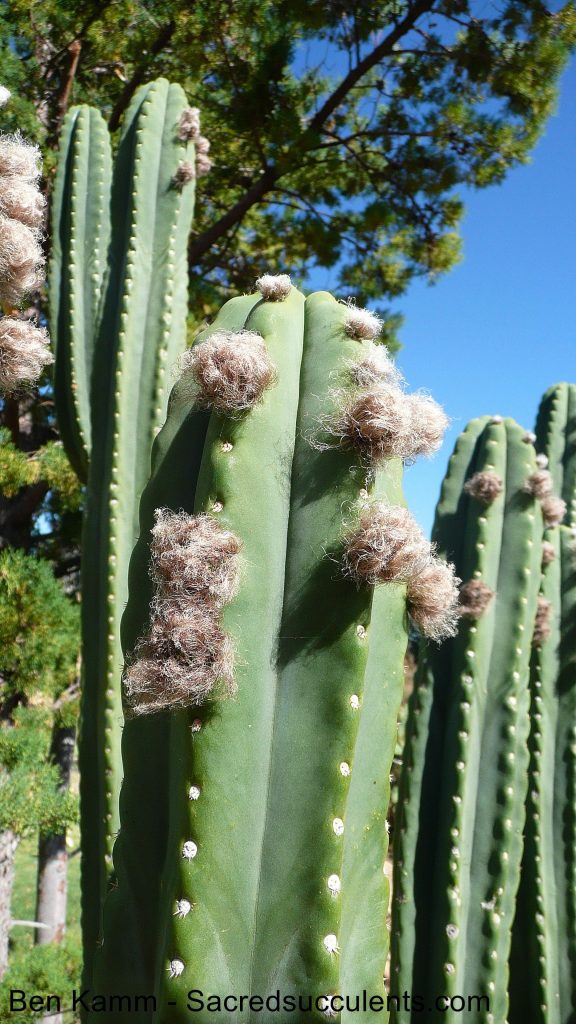
BK10512.11 Trichocereus aff. pachanoi, near Cuchucunata, Cochabamba, Bolivia
Those plants are relatively spineless, but look pretty typical for Bolivian plants between Trichocereus pachanoi and Trichocereus bridgesii. In my eyes, those are just spineless or relatively spineless forms of Trichocereus bridgesii but you would need to take a look at the flowers to verify. There certainly are some cultivated Pachanois in Bolivia, but they are grown as natural fencing or garden plants are did not evolve over time. Most populations of the San Pedro cactus in Bolivia are actually Trichocereus bridgesii.
Trichocereus aff. pachanoi, Arani, Cochabamba, Bolivia
On this one, you can see the obvious relationship to Trichocereus bridgesii. I originally wrote that it might be related to Trichocereus scopulicola, but it could as well but just another type of Trichocereus bridgesii. But the labeling with aff. pachanoi fits pretty good, though those are all closer related to Trichocereus bridgesii than they are to Trichocereus pachanoi.
BK10508.5 T. aff. pachanoi, Tiatako, Cochabamba, Bolivia
Another version of the San Pedro cactus in Bolivia. This one is the most interesting, because it might actually be a relative of Trichocereus scopulicola. But I would need to take a closer look at the rest of the plants. On the second pic, the ribs look very much like the ribs on a Trichocereus scopulicola.
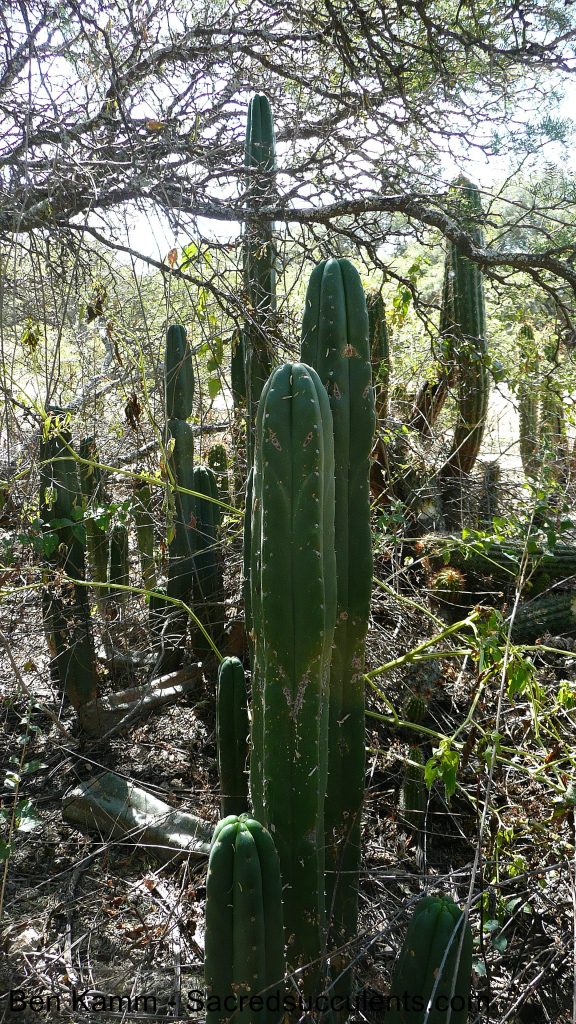

BK10508.1 Trichocereus aff. pachanoi, Cerro San Pedro, Cochabamba, Bolivia 2010
Trichocereus bridgesii, Martin Cardenas Botanical Garden, Cochabamba, Bolivia 2010
Trichocereus aff. pachanoi, Martin Cardenas Botanical Garden Cochabamba, Bolivia 2010
Very cool Trichocereus growing in Martin Cardenas Botanical Garden in Cochabamba, Bolivia!
Trichocereus species in Martin Cardenas Botanical Garden Cochabamba, Bolivia
Martin Cardenas is a specialist on peruvian cacti and this is his botanical garden in Chochabamba. He is widely accepted and respected field botanist and it´s really great to see his private garden.
Various populations of Trichocereus santaensis
Various populations of Trichocereus santaensis
There are various populations of Trichocereus santaensis. The species originally occurs in the Santa Valley. It is HUGE and it covers and borders other historic cities like Huaraz, Olleros, Ancash and many more. In those regions, you can sometimes find this rare gem labeled as Trichocereus pachanoi or simply SAN PEDRO.
During the Sacred Succulents Field Trips, they visited various populations of Trichocereus santaensis and I want to combine them here on this page.
BK09511.7 Trichocerus santaensis, Rio Santa, Ancash, Peru
This one was visited during the 2009 Field Trip. Near Rio Santa, Ancash, Peru. Pic: Ben Kamm, Sacredsucculents.com! Support them to ensure their survival so they can go on more Field Trips in the future!
It is a super interesting plant that has the typical discoloration of the skin that this species is known for. Werner Rauh particularly mentioned it in his original description. This is probably the archetype of this species. But there are more and the variation among the other related types is HUGE.-Some have longer spines, while some others look more like typical Pachanois. When dealing with Pachanois from Huaraz, it´s sometimes not easy to keep them apart from this species and some people do not differentiate between the two.

BK09509.10 Trichocereus santaensis, Rio Santa near Olleros, Ancash
Another Pic from the same Location as BK09509.9 but different Plant near Olleros. Which is a hotspot for this rare Trichocereus. If you come across plants from this area, it´s probably Trichocereus santaensis. Note the weird spination which is really typical for this species. And once again, the discoloration of the skin.


BK09509.9 Trichocereus santaensis, Rio Santa near Olleros, Ancash, Peru
Another very cool and rare Trichocereus from the sacred Succulents 2009 Field Trip. A large population growing besides the Rio Santa, near Olleros, Ancash, Peru!


Trichocereus santaensis, north of Caraz, Ancash, Peru
Another local poulation of the same species. This time north of caraz, Ancash, Peru.

Various populations of Trichocereus santaensis
Trichocereus peruvianus from Matucana
Trichocereus peruvianus from Matucana
Trichocereus peruvianus from Matucana is one of the most sought after types. Matucana is the type locality of Trichocereus peruvianus, which means that in Matucana you can find the most typical plants according to the description. The description was originally made by the Americans Britton & Rose, and the described a plant that must have been somewhere between Trichocereus peruvianus and Trichocereus cuzcoensis. And yes, Trichocereus cuzcoensis plays a part in the history of Trichocereus peruvianus as well. Both are so closely related and exist with many intermediate forms in between that Britton & Rose´s decision to keep them separated from each other was not regarded without criticism.
One of the most typical Matucana Peruvianus types is the ICARO DNA Peruvianus. Icaro Dna made a name for themselves providing great quality seeds that are probably as true as it gets to the original description. To me, when I hear the name MATUCANA, I think of this remarkable type.
Some more Matucana Peruvianus types are the LOS GENTILES Peruvanus from Sacred Succulents and my own Matucana Peruvianus in my shop! Sorry for the promo, but it´s super high quality seeds that you will love!
But now back to the Matucana Perus. Sacred Succulents had the great luck to visit some of them during their South America Field Trips. Here are some of them:

Trichocereus peruvianus, Matucana, Peru
Trichocereus Peruvianus without a field number. Again in Matucana Peru. Very cool Glauceous Tricho, similar to the cultivar Trichocereus Rosei or Trichocereus Glaucus. Pic: Ben Kamm, Sacredsucculents.com! Please support them because they are awesome!


BK08612.4-A Trichocereus peruvianus, Matucana, Peru
Another frosted Peruvianus from the Location in Matucana. Very similar to the Plants that are labeled „Trichocereus Rosei“. Or Trichocerus Glaucus! Pic: Ben Kamm, Sacredsucculents.com!

Another type that is believed to be a Matucana type is the Australian Trichocereus rosei clone. It´s fabulous and one of my absolute favorites. Rosei 2 is DEFINITELY a Matucana…and Rosei 1 most likely. The alternative would be that it comes from Rimac, but I want to show it here too!

This is Rosei 2, just for comparisons:

Some of those plants are sometimes called Trichocereus santaensis, but those are usually thinner and overall closer to Trichocereus pachanoi or sometimes even Trichocereus bridgesii than they are to Trichocereus peruvianus.
Well, that was one of the more typical Trichocereus peruvianus from Matucana. This city in Peru is one of the historic cactus sites, especially for the species Trichocereus peruvianus. Matucana is the type locality of Trichocereus peruvianus, which means that in Matucana you can find the most typical plants. But there is more; many many plants with cuzcoensis genetics. For example, KK242 is from Matucana too! And due to the high number of intermediates between Trichocereus cuzcoensis and Trichocereus peruvianus, it´s sometimes not easy to draw a firm line between them.
This photo shows a fairly typical KK242 from Matucana. The photo comes from K.Trout and his website troutsnotes.com.

And now compare this to this other plant from Matucana:

It´s funny…but that one was sold as KK242 from Matucana too. Just to give you an understanding of what is actually out there.
Montag, 11. April 2016
Trichocereus Crowdfunding Success!!
Trichocereus Crowdfunding Success!!

Hi guys, it´s been one month since I started the crowdfunding campaign for my book TRICHOCEREUS: THE SAN PEDRO GROUP and it´s been a wild success! Though there is still one month to go, the campaign already reached more than 80% on Indiegogo…and I wanted to thank you all for that! I draw my hat to everyone who bought a book, donated or shared the link in his Facebook profile. Thank you all for making the past month one of the best months in my life!
With that said, the campaign has not officially reached the goal of 10.000 Euro yet, so please check out our campaign on Indiegogo and buy a copy of this extremely limited book! Also feel free to share our link with your friends!
TRICHOCEREUS: THE SAN PEDRO GROUP: https://igg.me/at/2h2Jsr6XawQ/x/13533390
There is also a hardcover Connoisseur edition that is made using the thread stitching technique to make sure your book looks amazing. But don´t get me wrong; the standard edition of my book has a great quality as well. I made sure of that and the whole book will be FULL COLOR. I actually wanted to stop at 300 pages because the costs are substantial, but I just want to make the best book possible and now you will get a book that has 350 – 400 pages!
Let me just give you some info on the content. The whole book is NOT a cheap attempt to grab some money, but a really professional collection of original descriptions and photos showing rare Trichocereus species in their natural habitats. Almost all photos show adult plants in nature, including extremely detailed flower pics and comparisons.
It contains all the rare species that were originally described and fills that up with detailed information about the situation and the climate in the habitats and shows how to tell those rare species apart.
There are never before seen photos from all kinds of South America Field Trips, including photos of Trichocereus santaensis, Trichocereus knuthianus, Trichocereus schoenii, Trichocereus bridgesii, Trichocereus cuzcoensis and so many more.
There are separate chapters of historic sites like Chavin De Huantar, the Isla Del Sol, Cusco and many other places that are known for their breathtaking Trichocereus populations. It also has separate chapters about the San Pedro cactus in Bolivia, Chile and its original type locality in Ecuador.
So long story short, this book is serious business and a good read! It´s about nothing but botanic and taxonomic facts and does NOT contain anything about borderline legal stuff like cactus ingestion and stuff like that. I want you to know that this is not a book that you need to hide on your bookshelf.
TRICHOCEREUS: THE SAN PEDRO GROUP is available exclusively through this campaign and is only available in a very limited crowdfunding edition. This is NOT a risky crowdfunding campaign and this book WILL BE PUBLISHED. Don´t miss out on it, because you will absolutely love this book and regret it if you don´t get yourself a copy. There only are about 400 books available through the campaign and almost half of them are already sold out! This campaign goes into its final month and I guess you could call it a mid season Finale. I know that it´s not exactly cheap, but all the money goes directly into the quality of the printing and is not made to grab some cash.
So yeah, get it while you still can! Let´s get this baby printed!
https://igg.me/at/2h2Jsr6XawQ/x/13533390
Trichocereus Crowdfunding Success!!
Freitag, 1. April 2016
SS01 (Trichocereus peruvianus)
SS01 (Trichocereus peruvianus)
The SS01 clone was brought into cultivation by Sacred Succulents. It is one of their oldest clones, going back many years and the number of hybrids that involves it is really high. It actually is a very blue Trichocereus that would usually be called Tr. peruvianus or Tr. macrogonus outside the SS nursery. The origin of this plant is unknown, but because of Sacred Succulent´s constant work with this clone, it is widely distributed.
Here is an excerpt from the Sacred Succulents description of SS01:
SS01 (Trichocereus peruvianus or Trichocereus macrogonus)
Columnar cactus up to 8´+ tall. Fat blue-green stems up to 6″ in diameter and 2″+ spines. Huge white nocturnal flowers. Can grow very fast; up to several feet a year. Tends to grow prostrate with age. We believe this to be a clone of either Trichocereus macrogonus or Trichocereus peruvianus. Cold hardy to 25° Fahrenheit.
My personal impression of this plant is that it is one of the plants that were originally sold by Karel Knize. Those were really common at the time this clone showed up and I would not be surprised if it was one of them.
Sacred Succulents used this clone to create many hybrids, such as SS01 x Tr. pachanoi, SS01 x BBG, SS01 x Tom Juul´s Giant, SS01 x SS02 and many more. If you want to buy some seeds or cuttings of Trichocereus SS01, check out the Sacred Succulents website.
Those photos show the SS01 clone and are not hybrids. I will have a huge number of SS01 hybrid pics in my upcoming book SAN PEDRO HYBRIDS, which will be out in 2017.


SS01 (Trichocereus peruvianus)
Abonnieren
Posts (Atom)